Two Amazonian Theaters Become Unesco World Heritage Sites
Two historic opera houses in Brazil's Amazon region, the Teatro Amazonas in Manaus and the Theatro da Paz in Belém, have been designated UNESCO World Heritage sites, recognized for their cultural and architectural significance.
Intelligence analysis by Gemini 2.5 Flash
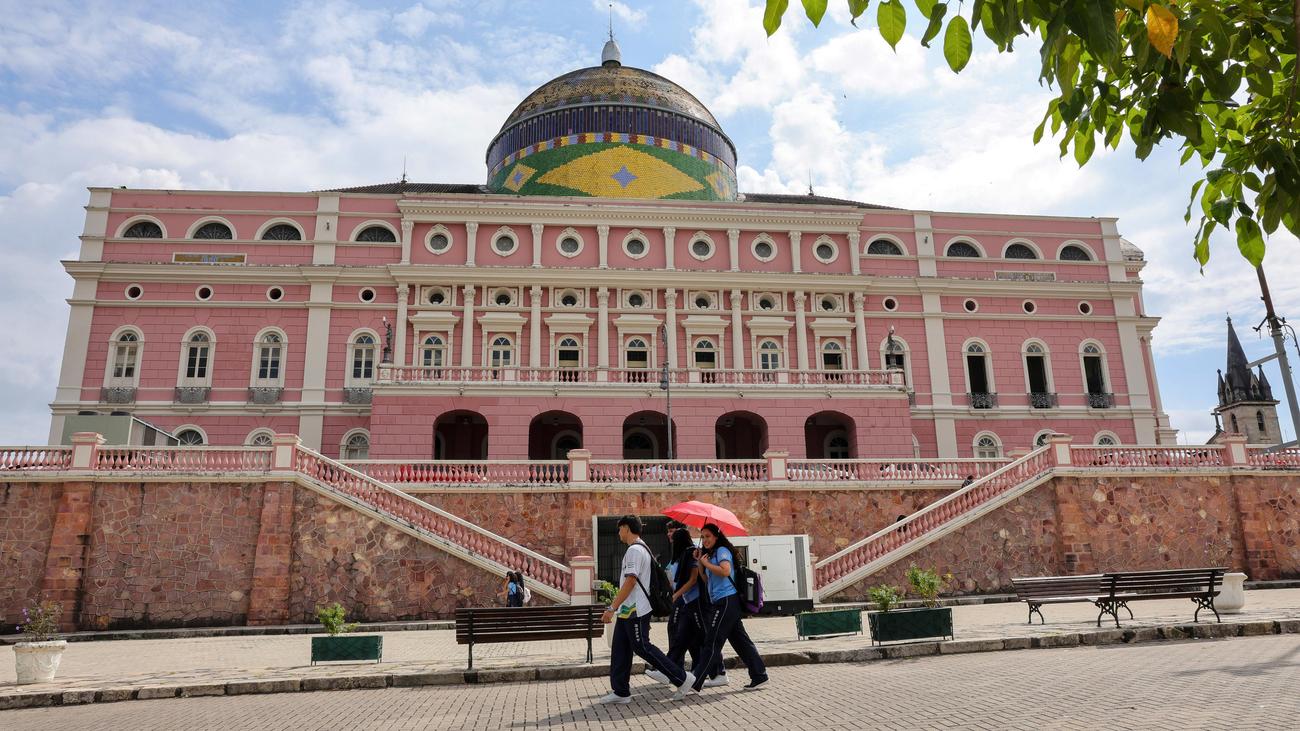
The newly recognized UNESCO World Heritage site, 'Teatros da Amazônia,' encompasses two grand opera houses built during the late 19th-century rubber boom. These architectural marvels in Manaus and Belém blend European design with Amazonian motifs, reflecting the era's economic prosperity and urban ambitions, and are the first cultural sites in northern Brazil to receive this status.
Imagine two super old, fancy opera houses built a long, long time ago in the middle of the big Amazon rainforest in Brazil, when people made lots of money from rubber. Now, a special club called UNESCO, which helps protect important places all over the world, has said these two theaters are super special and important, like a precious treasure. It's like when your teacher gives a gold star to a really old, beautiful book to show everyone how amazing it is.
Analysis
Architectural Gems of the Rubber Boom
The designation of the Teatro Amazonas in Manaus and the Theatro da Paz in Belém as UNESCO World Heritage sites underscores the profound cultural and architectural legacy of Brazil's Amazon region. These opulent opera houses are direct products of the late 19th-century rubber boom, a period of immense economic prosperity between 1879 and 1912 that transformed Manaus and Belém into thriving urban centers. The theaters were conceived not merely as entertainment venues but as grand statements of political ambition and urban sophistication, mirroring the wealth generated by the rubber trade.
Their design is a fascinating fusion of influences, drawing heavily from French and broader European architectural styles while incorporating distinct motifs and elements inspired by the Amazonian environment. This blend created unique structures that stood as symbols of modernity and cultural aspiration in a remote, yet economically vital, part of the world. The Theatro da Paz, opened in 1878, and the Teatro Amazonas, inaugurated in 1896, are not just buildings; they are tangible testaments to a specific historical epoch, reflecting the global connections and local adaptations that characterized the era.
Brazil's Growing Heritage Recognition
This new UNESCO World Heritage status marks a significant milestone for Brazil, particularly for its northern region. According to the Brazilian Institute of Historical and Artistic Heritage, these are the first cultural sites in the north of the country to be included on the prestigious list. This recognition elevates the cultural profile of Manaus and Belém on the international stage, drawing attention to their unique history and architectural treasures. With these additions, Brazil now boasts a total of 26 World Heritage sites, a testament to the country's rich and diverse natural and cultural heritage.
The World Heritage list, established in 1978, serves as a global inventory of sites deemed to have outstanding universal value. Its expansion reflects an ongoing international commitment to identifying, protecting, and preserving cultural and natural heritage for future generations. For Brazil, each new inscription reinforces its position as a custodian of globally significant sites, encouraging both national pride and international tourism.
Global Preservation Efforts and German Connection
The decision to include the 'Teatros da Amazônia' was made by the World Heritage Committee, which convenes annually to review nominations and manage the World Heritage Convention. This global body plays a crucial role in fostering international cooperation for heritage preservation. Interestingly, the same committee, during its recent meeting, also added the forest settlement in Berlin-Zehlendorf to the World Heritage list. This parallel highlights the committee's broad mandate, encompassing diverse cultural and natural sites from across the globe, from the tropical Amazon to urban landscapes in Germany.
The simultaneous recognition of sites in Brazil and Germany underscores the universal value placed on heritage, regardless of geographical or cultural context. It demonstrates a shared global commitment to safeguarding historical and architectural marvels, ensuring that the stories and craftsmanship embedded within these structures continue to inspire and educate. For Germany, the news from Brazil, alongside its own recent inscription, reinforces the collaborative spirit of international heritage conservation.
Key points
- The Teatro Amazonas in Manaus and Theatro da Paz in Belém have been designated UNESCO World Heritage sites.
- The sites, collectively named 'Teatros da Amazônia,' represent the cultural and architectural legacy of the late 19th-century rubber boom.
- These opera houses blend European architectural styles with motifs inspired by the Amazon region.
- They are the first cultural sites in northern Brazil to receive UNESCO World Heritage status.
- Brazil now has a total of 26 World Heritage sites, reflecting its rich cultural and natural heritage.
The UNESCO designation will likely boost cultural tourism to Manaus and Belém, providing economic benefits to the region and encouraging further preservation efforts for these unique historical landmarks. It also elevates Brazil's profile in global cultural heritage, potentially attracting more international funding and expertise for conservation.
While the designation brings prestige, ensuring long-term funding for the maintenance and preservation of these large, historic structures in a challenging tropical climate could be difficult. Without sustained international and national support, the ongoing costs of conservation might strain local resources, potentially impacting their upkeep.