UAE says Iran targeted tanker as Oman cites progress in Hormuz talks
The UAE accused Iran of targeting a tanker belonging to its state-owned oil company in the Strait of Hormuz, even as both Iran and Oman suggested talks on administering the vital waterway were progressing.
Intelligence analysis by Llama
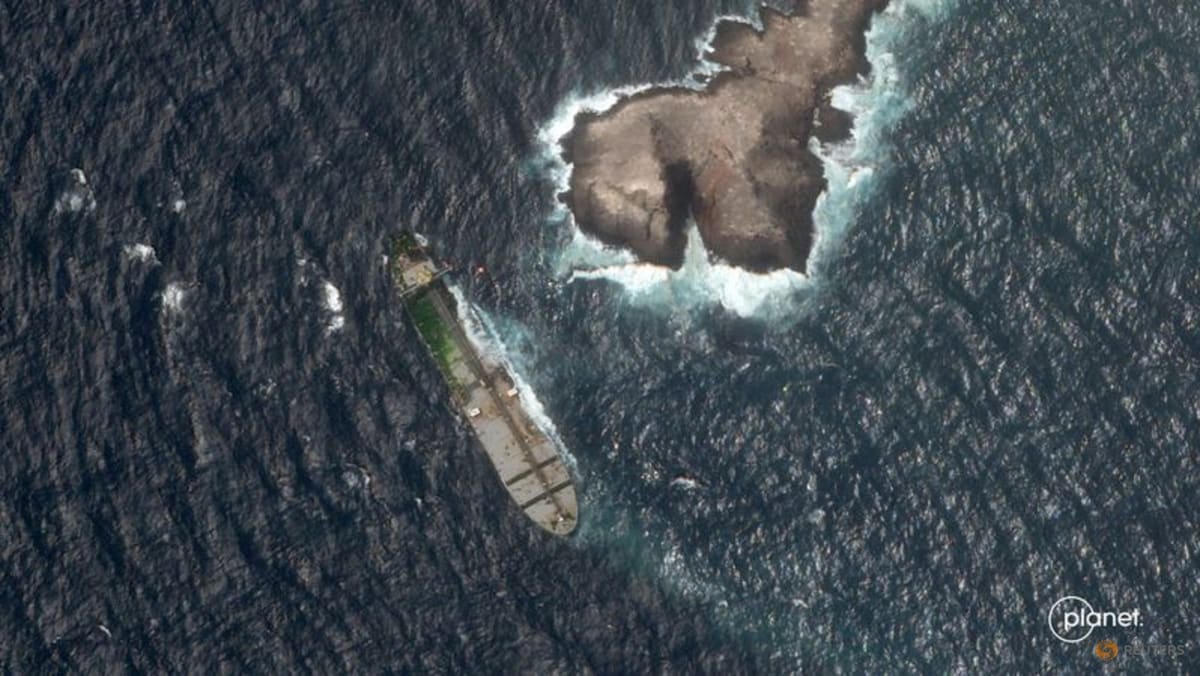
The UAE's foreign ministry condemned a 'hostile Iranian attack' on a tanker, while Oman's foreign ministry condemned 'repeated attacks on vessels transiting the Strait of Hormuz' and said negotiations were proceeding in a positive atmosphere.
Imagine a big waterway called the Strait of Hormuz that connects the Middle East to the rest of the world. There's a big conflict going on there between Iran and the US, and it's affecting the flow of oil and trade. Iran wants to charge a toll to use the waterway, but the US doesn't want that to happen. It's like a big game of tug-of-war, and nobody knows what will happen next.
Analysis
Background
The conflict in the Strait of Hormuz has been ongoing since the start of the war between Iran and the US. The UAE has accused Iran of targeting several of its vessels in the strait, including three in the past week alone. The US has vehemently opposed any Iranian tolls in the strait, and a June deal struck by the warring parties does allow Tehran to hammer out arrangements for the 'future administration' of Hormuz in conjunction with fellow coastal state Oman.
What Changed
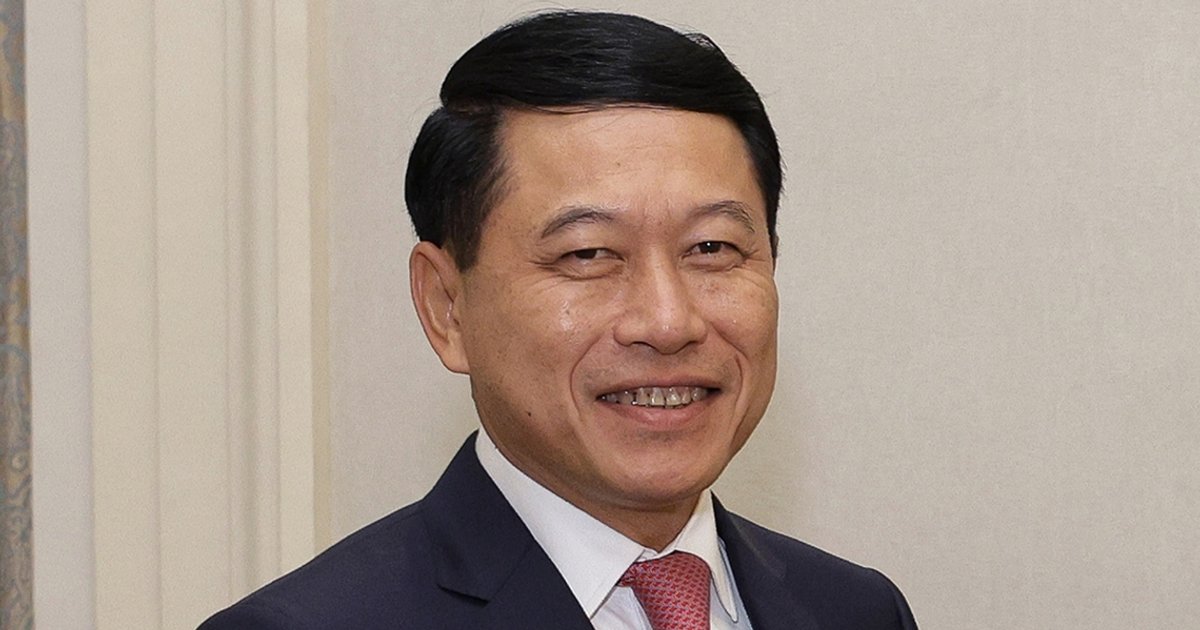
The UAE's foreign ministry condemned a 'hostile Iranian attack' on a tanker belonging to ADNOC, while Oman's foreign ministry condemned 'repeated attacks on vessels transiting the Strait of Hormuz' and said negotiations were proceeding in a positive atmosphere. The Iranian Foreign Minister Abbas Araghchi said that talks with Oman were 'approaching the final stages', but cautioned that 'this is not a sign of the reopening of the Strait of Hormuz'.
What's Next
The conflict in the Strait of Hormuz has significant implications for global oil supplies and trade. The ongoing negotiations between Iran, Oman, and other Gulf countries are crucial to resolving the issue. The US has imposed sanctions on Iran, and the country has imposed an effective blockade of the strait. The situation remains uncertain, with both sides making demands and preconditions for reopening the strait.
Key points
- The UAE accused Iran of targeting a tanker belonging to its state-owned oil company in the Strait of Hormuz.
- Oman's foreign ministry condemned 'repeated attacks on vessels transiting the Strait of Hormuz' and said negotiations were proceeding in a positive atmosphere.
- The Iranian Foreign Minister Abbas Araghchi said that talks with Oman were 'approaching the final stages', but cautioned that 'this is not a sign of the reopening of the Strait of Hormuz'.
- The conflict in the Strait of Hormuz has significant implications for global oil supplies and trade.
If the negotiations between Iran, Oman, and other Gulf countries are successful, it could lead to a peaceful resolution of the conflict and the reopening of the Strait of Hormuz. This would be a positive development for global oil supplies and trade.
If the conflict in the Strait of Hormuz continues, it could lead to a further escalation of tensions and a complete closure of the waterway. This would have significant implications for global oil supplies and trade, and could lead to economic instability.