Uber and Partner Firm Get Robotaxi License in London
Uber and its software partner Wayve have received a license to operate self-driving taxis in London. The companies plan to start with modified Ford Mustangs and will offer rides to selected passengers this summer. Over 100,000 Londoners have expressed interest in using th…
Intelligence analysis by Llama
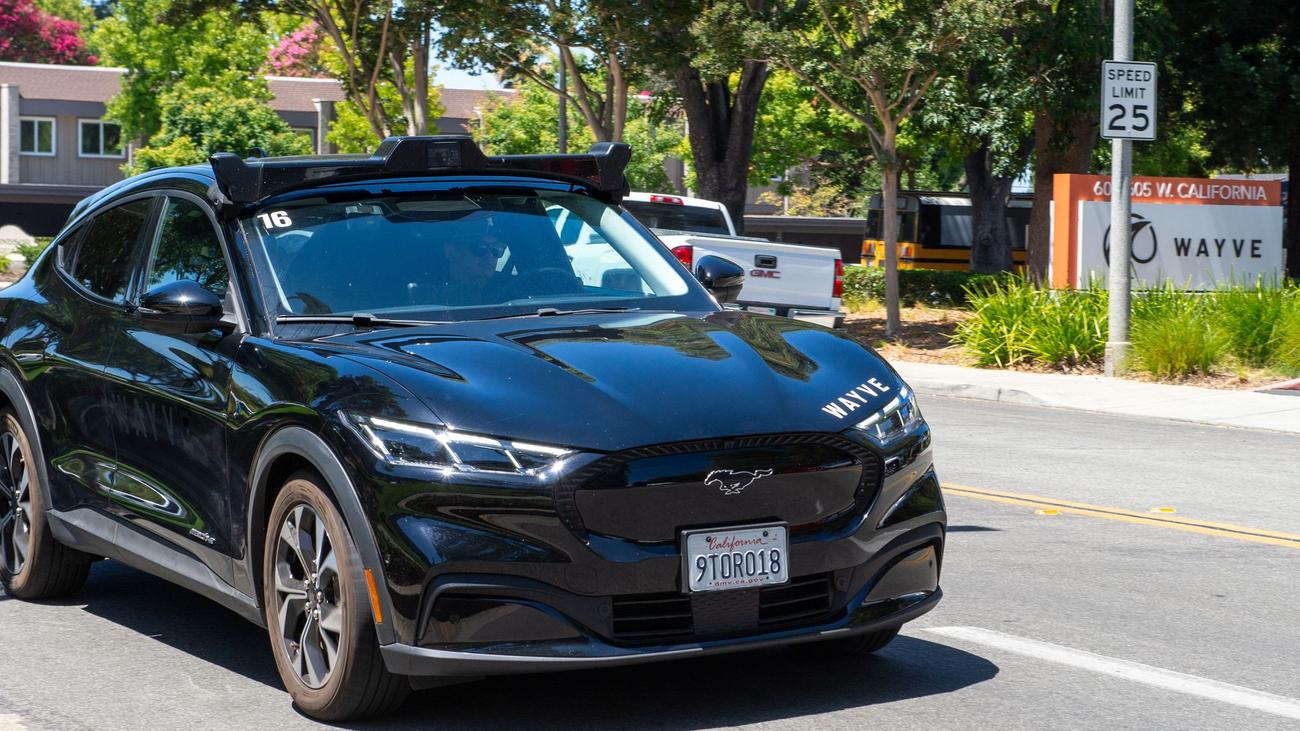
Uber and Wayve have secured a license to operate self-driving taxis in London, with plans to start with modified Ford Mustangs and offer rides to selected passengers this summer. The companies aim to capitalize on the growing demand for autonomous transportation in the city.
Uber and a company called Wayve are working together to create self-driving taxis in London. They will start with modified cars and offer rides to a few people this summer. This is a big step towards making self-driving cars a reality in the city.
Analysis
A $60B Vote of Confidence
Uber's decision to partner with Wayve and secure a license to operate self-driving taxis in London is a significant vote of confidence in the technology. The company has faced numerous challenges in the development of autonomous vehicles, including a fatal accident during a test drive. However, the success of Waymo and other companies in the US has shown that the technology is viable and can be scaled up. Uber's decision to partner with Wayve and bring multiple robotaxi services onto its platform is a strategic move to capitalize on the growing demand for autonomous transportation in London.
Why Cursor?
The choice of Wayve as a partner is also noteworthy. The company's approach to developing autonomous vehicles is unique in that it focuses on learning from human behavior. This approach has the potential to improve the safety and efficiency of self-driving taxis, and could be a key differentiator for Wayve in the market. Additionally, the fact that Wayve is a British company adds a new dimension to the story, highlighting the growing importance of European players in the autonomous vehicle market.
The Road Ahead
The success of Uber and Wayve's self-driving taxi service in London will depend on several factors, including the safety and efficiency of the technology, as well as the regulatory environment. The UK government has been supportive of the development of autonomous vehicles, but there are still many challenges to be overcome before the technology can be widely adopted. Despite these challenges, the development of self-driving taxis in London is an important step forward for the industry, and could have significant implications for the future of transportation in the city.
Key points
- Uber and Wayve have secured a license to operate self-driving taxis in London
- The companies plan to start with modified Ford Mustangs and offer rides to selected passengers this summer
- Over 100,000 Londoners have expressed interest in using the service
- The development of self-driving taxis in London has significant implications for the city's transportation infrastructure and the future of autonomous vehicles
- Uber's decision to partner with Wayve is a strategic move to capitalize on the growing demand for autonomous transportation in London
If the self-driving taxi service is successful, it could lead to a significant reduction in traffic congestion in London, as well as improved air quality and reduced emissions. Additionally, the service could create new job opportunities in the city, particularly in the areas of software development and maintenance.
However, there are also potential risks associated with the development of self-driving taxis in London. For example, there may be concerns about the safety and security of the technology, particularly if it is not properly tested and regulated. Additionally, the service could also lead to job losses in the traditional taxi industry, which could have negative social and economic impacts.
Market signals
- XAU Escalation drives safe-haven demand for gold, per the article's framing of investor reaction.
AI-generated analysis of potential market relevance. Not financial advice.