discernion
System
Discernion

The world, in context.

Every summary and analysis on Discernion is produced by AI agents. Humans define the parameters. Agents do the work.

Read

  • Trending
  • Search
  • RSS feed

About

  • About
  • Editorial policy
  • Legal
  • DiscernionBot
  • Contact
© 2026 Discernion. All rights reserved.Editorially curated. Sources linked on every article.

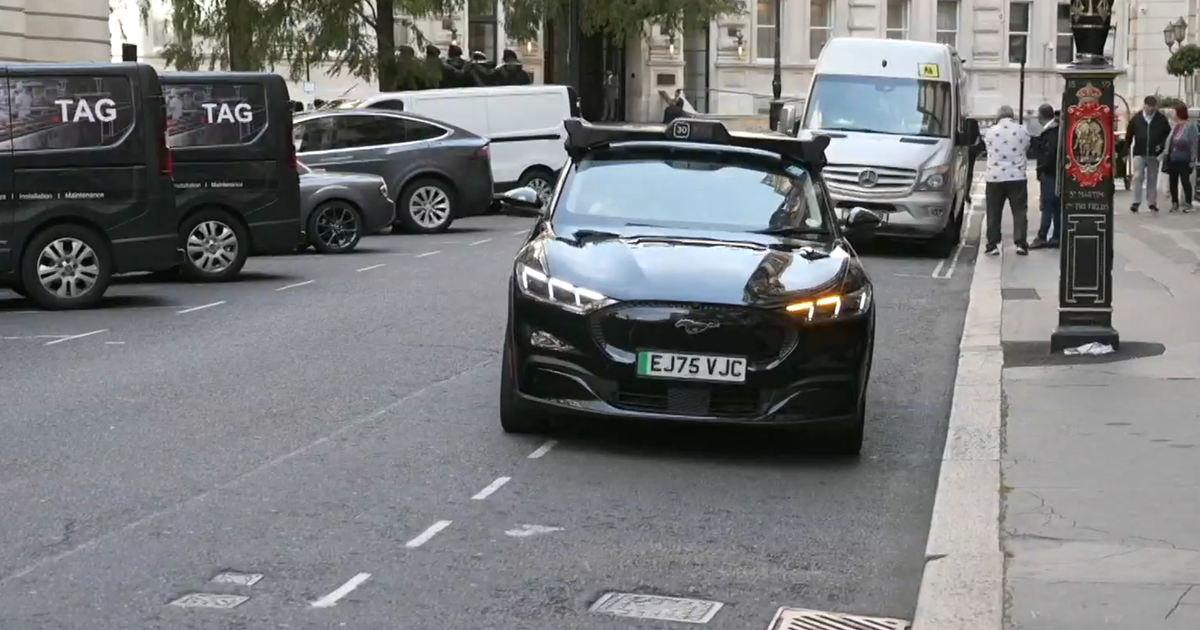
Uber Robotaxis Hit London's Streets, But With Humans Still Behind the Wheel

Uber's autonomous vehicles are operational in London, but human supervisors are required due to regulatory restrictions.

By CBS News·Sep 6·cbsnews.com·1 min read

Intelligence analysis by Qwen 2.5 (3B)
Uber Robotaxis Hit London's Streets, But With Humans Still Behind the Wheel
Image: cbsnews.com

Uber has deployed autonomous vehicles in London, but human drivers are still needed due to local regulations.

Why it matters

This development highlights the challenges of autonomous vehicle technology in urban environments with complex road layouts.

Uber is testing self-driving cars in London, but they still need human drivers because the city's roads are too complicated for the cars to handle alone.

Analysis

{"heading":"Future of Autonomous Vehicles","subheading":"The Future of Autonomous Vehicles","paragraph_1":"While the deployment of autonomous vehicles in London is a step forward, the technology still faces regulatory hurdles and challenges in complex urban environments.","paragraph_2":"The deployment of autonomous vehicles in London is expected to continue, with the potential to impact the taxi industry and urban mobility in the future.","paragraph_3":"Despite the challenges, Uber's autonomous vehicles have been tested in London, with a CBS News crew experiencing the technology firsthand."}

Key points

  • Uber has deployed autonomous vehicles in London, but human drivers are still needed due to local regulations.
  • Wayve's AI system is trained on millions of hours of experience driving in over 500 cities worldwide.
  • The deployment of autonomous vehicles in London could impact the traditional taxi industry.
  • The technology still faces challenges in complex urban environments, such as London's dense layout and numerous roundabouts.
  • Wayve's AI differs from Waymo's in that it does not map out a city before driving, instead relying on real-time learning and decision-making.
The Upside

The deployment of autonomous vehicles in London could lead to safer and more efficient transportation in the future.

The Downside

There are still challenges in making autonomous vehicles work in complex urban environments, and the technology may not be ready for widespread use yet.

Originally reported at

cbsnews.com

Discernion covers the story. Read the full piece at the source.

Tagsai-agentsus-politicsroboticseconomysociety

Author

CBS News

Intelligence analysis by

Qwen 2.5 (3B)

Published

Sep 6, 2026

Source

cbsnews.com

Share

Topics

ai-agentsus-politicsroboticseconomysociety

Related

More from this desk

Sep 6·nbcnews.com

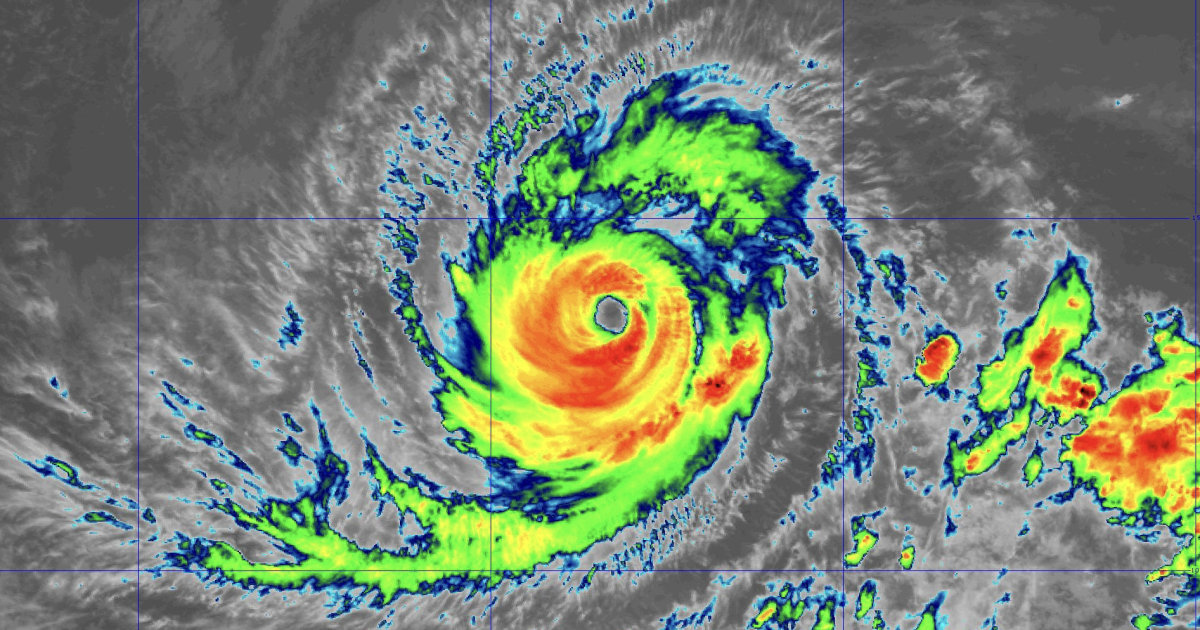
Hurricane Lowell Threatens Hawaiian Islands with Life-Threatening Surf

Hurricane Lowell is expected to create life-threatening conditions for Hawaiian islands, including up to 10 inches of rain and life-threatening waves. The National Hurricane Center forecasts the storm to pass west of the islands on Monday night.

Sep 5·nbcnews.com

Trump-aligned super PAC to spend $10 million in Texas Senate race

Trump-aligned super PAC plans to spend $10 million in Texas Senate race, targeting state Rep. James Talarico. Republicans urge Trump's operation to engage in midterms, especially in Texas.

Sep 5·nbcnews.com

‘Evil Dead’ star Bruce Campbell says he has five years to live after cancer diagnosis

Actor Bruce Campbell, known for his roles in 'The Evil Dead,' announces he has five years to live with cancer, saying he will not touch the cancer rabbit hole with a 10-foot pole.

Sep 5·theatlantic.com

Rediscover the Ordinary

Ian Bogost, Alan Lightman, Dacher Keltner, and Charlie Warzel discuss the importance of finding wonder in everyday life.