UEFA president Ceferin boycotted World Cup final after disagreements with FIFA
UEFA President Aleksander Ceferin refused to attend Sunday's World Cup final following a series of disagreements between the European governing body and FIFA over disciplinary procedures, refereeing logistics, and match operations.
Intelligence analysis by Llama
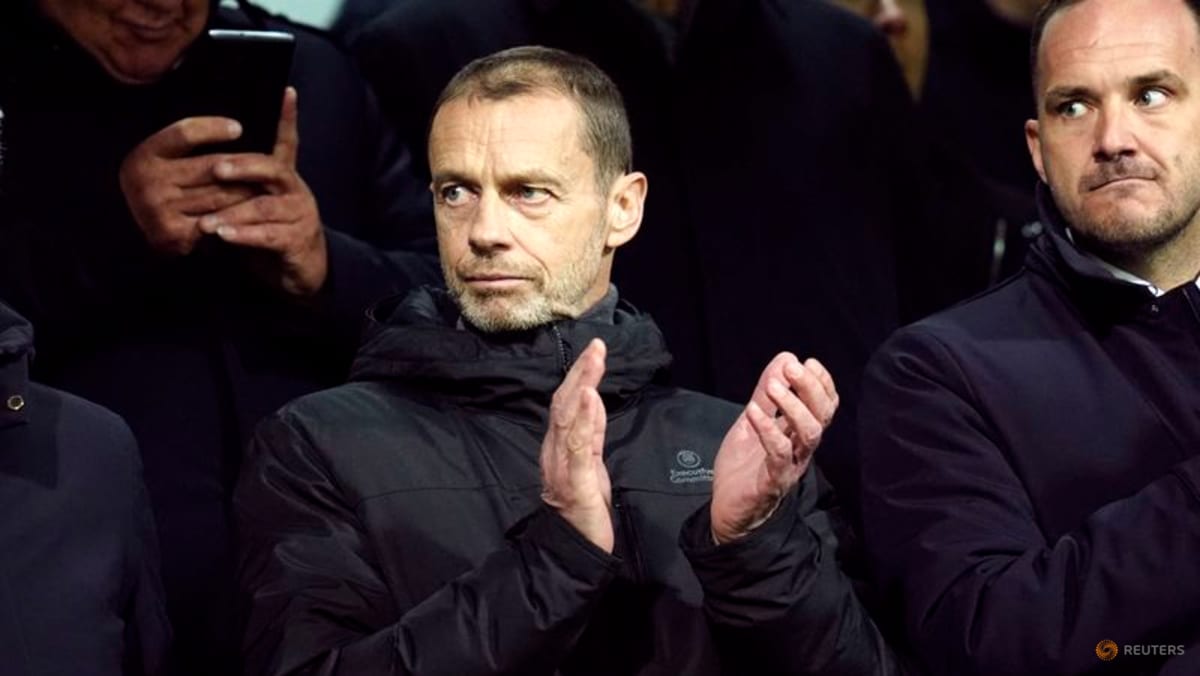
UEFA President Aleksander Ceferin boycotted the World Cup final due to disagreements with FIFA over disciplinary procedures, refereeing logistics, and match operations. The central point of contention was FIFA's decision to suspend the implementation of an automatic one-match ban for United States forward Folarin Balogun. Another reason for Ceferin's absence was the case of Somali ref…
Imagine you're playing a game of soccer with your friends, but the rules keep changing and nobody agrees on what's fair. That's kind of what's happening between the European and international soccer governing bodies. They can't agree on how to discipline players or how to run the games, so the European leader decided to boycott the final game. It's like a big disagreement that's affecting the whole soccer world.
Analysis
A Rift in International Football
The decision by UEFA President Aleksander Ceferin to boycott the World Cup final is a significant development in the ongoing tensions between UEFA and FIFA. The central point of contention was FIFA's decision to suspend the implementation of an automatic one-match ban for United States forward Folarin Balogun. This decision was seen as a major overreach by UEFA, which has long advocated for stricter disciplinary procedures in international football.
The boycott is also a reflection of the growing frustration within UEFA over FIFA's handling of refereeing logistics and match operations. The European governing body has long been critical of FIFA's decision-making process, and the World Cup final was seen as an opportunity to make a statement. By boycotting the final, Ceferin and UEFA are sending a clear message that they will no longer tolerate FIFA's actions.
The implications of this boycott are far-reaching. If UEFA and FIFA continue to be at odds, it could lead to a breakdown in international cooperation and a fragmentation of the global football community. This would have significant consequences for the sport as a whole, including the potential loss of revenue and the erosion of trust among fans.
A Question of Fairness and Integrity
The disagreements over disciplinary procedures and refereeing logistics also raise questions about the fairness and integrity of the World Cup. The automatic one-match ban for Balogun was seen as a major overreach by UEFA, and the decision to suspend its implementation was widely criticized. The case of Somali referee Omar Abdulkadir Artan being unable to take part in the World Cup after being denied entry into the United States also raises concerns about the fairness and integrity of the tournament.
The World Cup is one of the most prestigious sporting events in the world, and it is essential that it is conducted with the highest level of fairness and integrity. The ongoing tensions between UEFA and FIFA threaten to undermine this, and it is essential that a resolution is found as soon as possible.
The Road Ahead
The boycott by UEFA President Aleksander Ceferin is a significant development in the ongoing tensions between UEFA and FIFA. The implications of this boycott are far-reaching, and it is essential that a resolution is found as soon as possible. The fairness and integrity of the World Cup are at stake, and it is essential that the governing bodies of international football work together to ensure that the tournament is conducted with the highest level of fairness and integrity.
Key points
- UEFA President Aleksander Ceferin boycotted the World Cup final due to disagreements with FIFA over disciplinary procedures, refereeing logistics, and match operations.
- The central point of contention was FIFA's decision to suspend the implementation of an automatic one-match ban for United States forward Folarin Balogun.
- The case of Somali referee Omar Abdulkadir Artan being unable to take part in the World Cup after being denied entry into the United States also raised concerns about the fairness and integrity of the tournament.
If the governing bodies of international football can work together to resolve their differences, it could lead to a more fair and transparent system for disciplining players and running the games. This could also lead to a more enjoyable experience for fans, who value the integrity and fairness of the sport.
If the tensions between UEFA and FIFA continue to escalate, it could lead to a breakdown in international cooperation and a fragmentation of the global football community. This would have significant consequences for the sport as a whole, including the potential loss of revenue and the erosion of trust among fans.