Uganda unveils statue of Israel PM's brother who died in Entebbe rescue mission
Uganda has unveiled a statue of Yonatan Netanyahu, brother of Israel's prime minister, who was killed during the 1976 Entebbe hostage rescue mission, marking 50 years since the event.
Intelligence analysis by Gemini 2.5 Flash
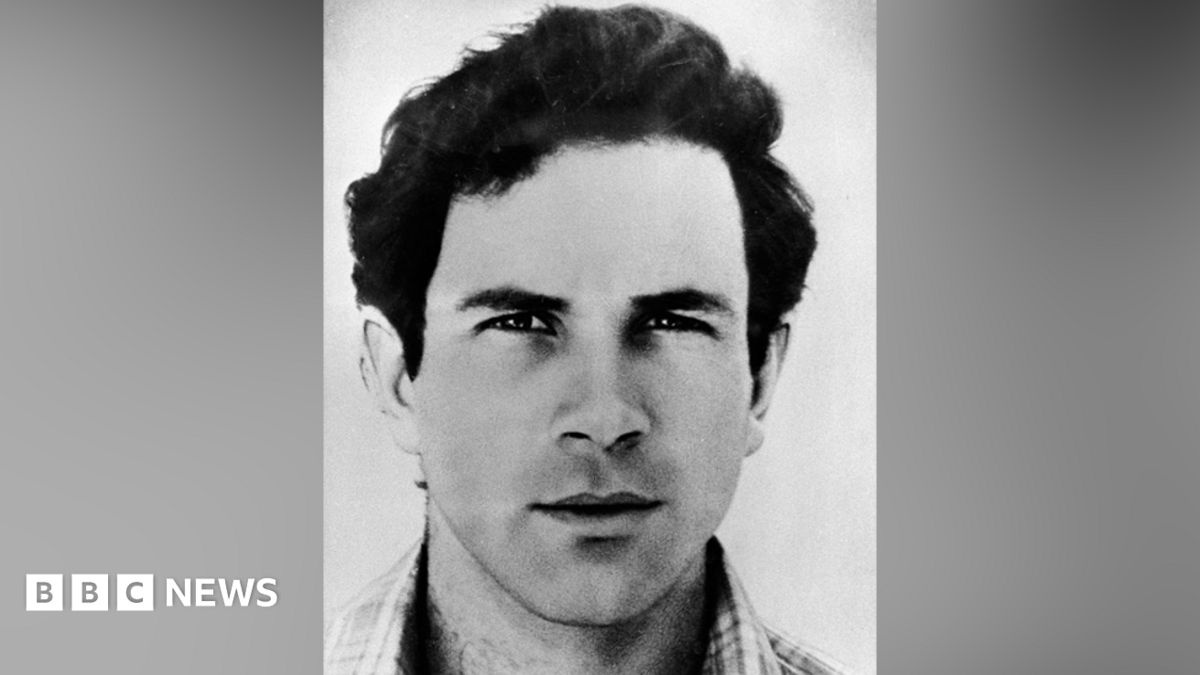
A monument honoring Yonatan Netanyahu, the only Israeli soldier killed in the daring Entebbe raid, has been unveiled in Uganda. The ceremony, led by Uganda's army chief, highlighted the courage of the mission while acknowledging the complex history and the subsequent development of close ties between Uganda and Israel.
Imagine a long time ago, some bad guys took people hostage on an airplane and flew them to a faraway country, Uganda. A brave soldier named Yonatan helped rescue them, but he sadly died. Now, 50 years later, the country of Uganda has put up a statue of him to remember his bravery and to show that even though that time was sad and complicated, Uganda and Israel are now friends.
Analysis
Commemorating a Controversial Rescue
Fifty years after the audacious Operation Entebbe, Uganda has unveiled a statue of Yonatan Netanyahu, the Israeli commando who was the sole Israeli casualty in the 1976 hostage rescue mission. The operation saw Israeli elite forces fly thousands of miles to Uganda's Entebbe airport to free over 100 hostages, mostly Israelis and Jews, held by Palestinian and German hijackers. The hijackers, affiliated with the Popular Front for the Liberation of Palestine, had diverted an Air France flight and demanded a ransom and the release of militants jailed in several countries.
The raid, while celebrated in Israel as a triumph against terrorism, was a profound humiliation for then-Ugandan dictator Idi Amin, who had welcomed the hijackers. The operation resulted in the deaths of three hostages, the hijackers, three accomplices, and at least 45 Ugandan soldiers. Uganda's army chief, Gen Muhoozi Kainerugaba, acknowledged the Ugandan casualties, stating they "fought valiantly... in what they believed was a justified cause," but critically added that the Amin government they served was a "brutal dictatorship which did not represent the Ugandan people."
Symbolism and Shifting Narratives
The statue, depicting Netanyahu striding with a machine gun, stands outside the old airport terminal where the rescue occurred. Its unveiling is a powerful symbolic gesture, not just commemorating a fallen hero but also signaling a shift in how Uganda officially views this historical event. By honoring Netanyahu, Uganda is, in part, aligning itself with the international narrative of counter-terrorism, while simultaneously distancing itself from the legacy of Idi Amin's regime.
This act of commemoration also serves to highlight the human cost on all sides, with Kainerugaba calling for the memories of all who died to "inspire future generations in the pursuit of peace, justice and human dignity." The acknowledgment of Ugandan soldiers' deaths, framed within the context of Amin's dictatorship, attempts to reconcile a painful past with present-day diplomatic realities, offering a nuanced perspective on a deeply divisive historical episode.
Forging Modern Diplomatic Ties
The unveiling ceremony underscores the "remarkable journey" of Uganda-Israel relations, which Kainerugaba described as having developed into a "partnership characterised by mutual trust, respect and co-operation." This sentiment echoes Israeli Prime Minister Benjamin Netanyahu's own visit to Entebbe a decade ago, where he reflected on his brother's legacy and the need for "clarity and courage" against terrorists. The current gesture by Uganda reinforces these improving ties.
Such diplomatic overtures are significant for both nations. For Uganda, it can foster stronger alliances and potentially attract investment or security cooperation from Israel. For Israel, it represents a continued strengthening of its diplomatic presence and influence in Africa, building on historical connections and shared security interests. The statue thus stands not only as a memorial to a past event but also as a tangible symbol of a forward-looking diplomatic relationship.
Key points
- Uganda unveiled a statue of Yonatan Netanyahu, brother of Israel's PM, who died during the 1976 Entebbe rescue mission.
- Yonatan Netanyahu was the only Israeli soldier killed in the operation that rescued over 100 hostages.
- Uganda's army chief, Gen Muhoozi Kainerugaba, honored Netanyahu's courage and acknowledged the deaths of 45 Ugandan soldiers, attributing their service to the brutal Idi Amin dictatorship.
- The ceremony highlights the development of close ties and a "partnership characterised by mutual trust, respect and co-operation" between Uganda and Israel.
- The Entebbe raid was a significant historical event, celebrated in Israel but a humiliation for Idi Amin's regime.
The unveiling of the statue could symbolize a new chapter of reconciliation and stronger diplomatic ties between Uganda and Israel, fostering mutual trust and cooperation. This gesture may lead to increased collaboration in areas like security, technology, and trade, benefiting both nations.
While intended as a gesture of reconciliation, the commemoration might be viewed critically by some Ugandans who remember the significant casualties among their own soldiers during the raid. This could potentially stir old grievances or be perceived as a one-sided historical narrative, overlooking the full complexity of the event.


