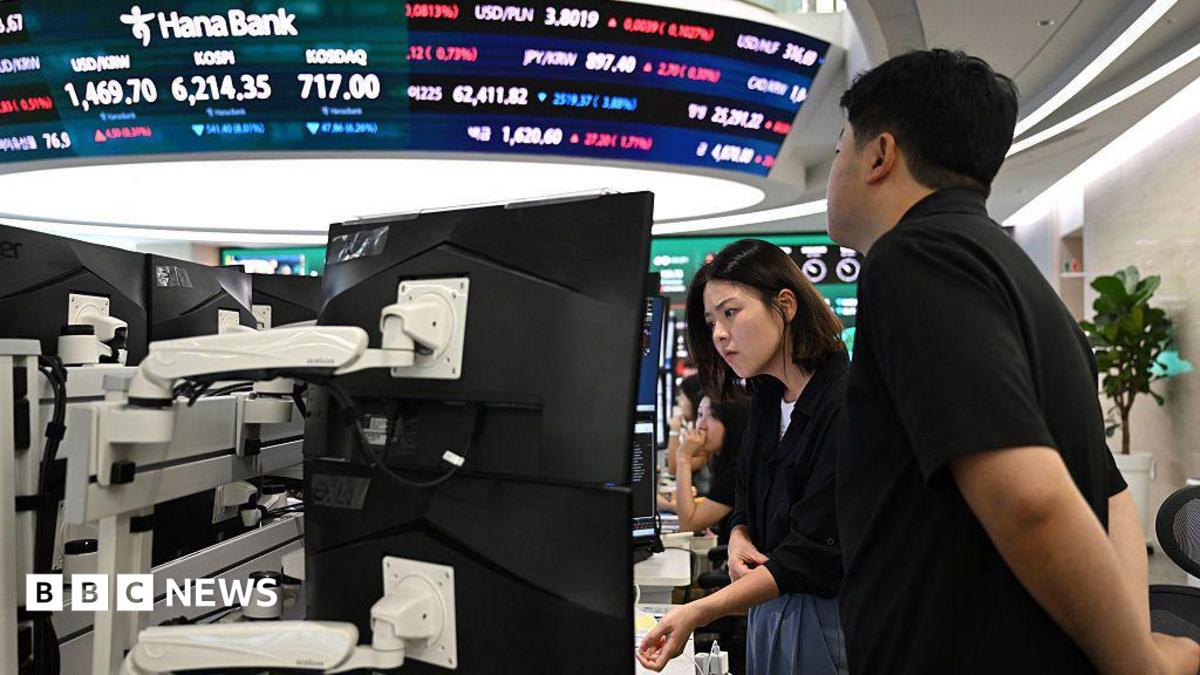
UK and Japan set to agree investment deal worth £18bn
The UK and Japan are expected to sign £18bn in investment agreements, including an offshore wind deal and jobs-focused projects.
Intelligence analysis by GPT-5.4 Mini
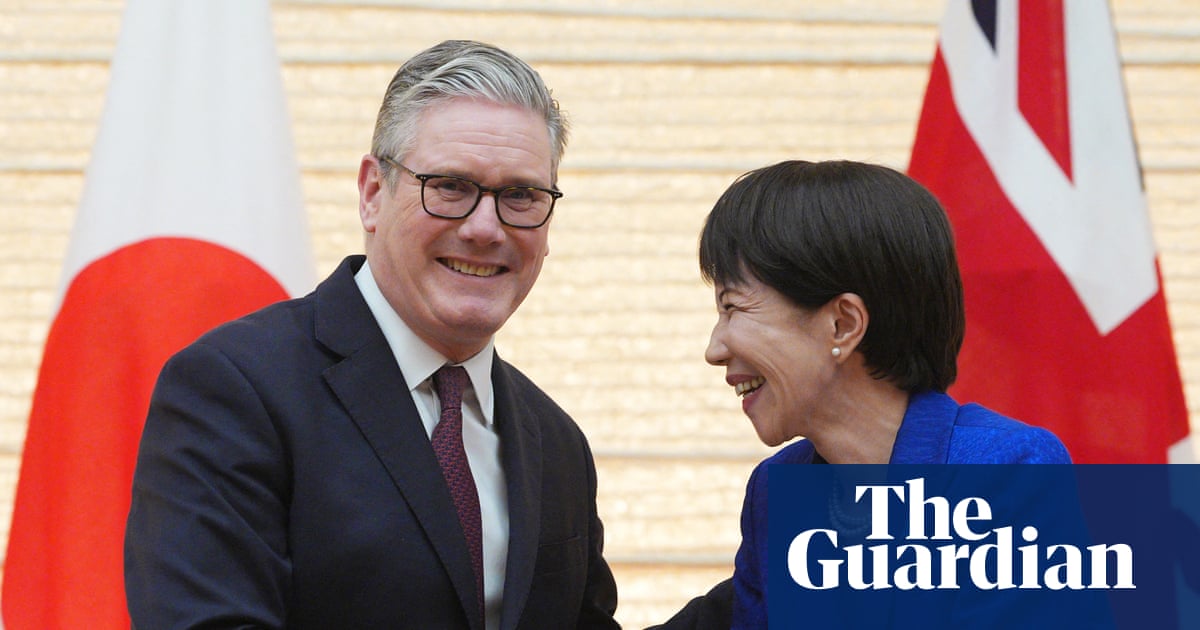
Keir Starmer will host Sanae Takaichi as the UK and Japan prepare to sign more than 10 commercial and government agreements. Downing Street says the package could create tens of thousands of jobs and deepen cooperation in energy, technology and defence investment.
The UK and Japan are making a big business handshake. It is like two neighbors agreeing to build lots of new things together, such as wind power and new technology, which could create many jobs.
Analysis
What is being agreed
The UK and Japan are expected to announce about £18bn of investment agreements when Japanese prime minister Sanae Takaichi visits Downing Street ahead of the G7 summit. Downing Street says more than 10 commercial and government agreements will be signed.
A major part of the package is a £9bn offshore wind deal. The article also says Rolls-Royce will deepen its collaboration with Japan’s Atomic Energy Agency, with a new agreement aimed at developing next-generation technologies. British and Japanese business leaders are also due to meet to discuss future opportunities for economic growth.
Why the government is pushing it
Starmer is presenting the agreements as evidence that cooperation with Japan can bring in “multibillion-pound investment” and create “tens of thousands” of jobs. The political message is that major international deals can feed into domestic growth, especially in advanced manufacturing, energy and technology.
The article also says discussions will include helping UK defence firms access Japanese investment, which suggests the government wants the relationship to stretch beyond one sector. That broadening matters because it ties together industrial policy, clean energy and security-linked business ties.
The wider context
The announcement comes at a difficult moment for Starmer, after the shock resignation of defence secretary John Healey over a dispute about long-term military funding. Another minister, Al Carns, and two parliamentary aides also left government, adding pressure on the prime minister. Even so, the Japan deal is being presented as a concrete economic win that could help offset political turbulence.
Key points
- The UK and Japan are set to agree about £18bn in investment deals.
- Downing Street says more than 10 commercial and government agreements are expected.
- A £9bn offshore wind deal is part of the package.
- Rolls-Royce will deepen collaboration with Japan’s Atomic Energy Agency.
- The government says the agreements could create tens of thousands of jobs.
If the agreements are signed as planned, the UK could see a large inflow of investment and new job creation. The offshore wind deal and the Rolls-Royce collaboration could also strengthen energy and technology partnerships that last beyond this visit.
The article does not say the deals are final yet, so the headline numbers could still slip if talks change. Political turmoil in London could also make it harder for the government to turn the announcement into lasting economic gains.