UK approves Jackdaw gasfield in North Sea
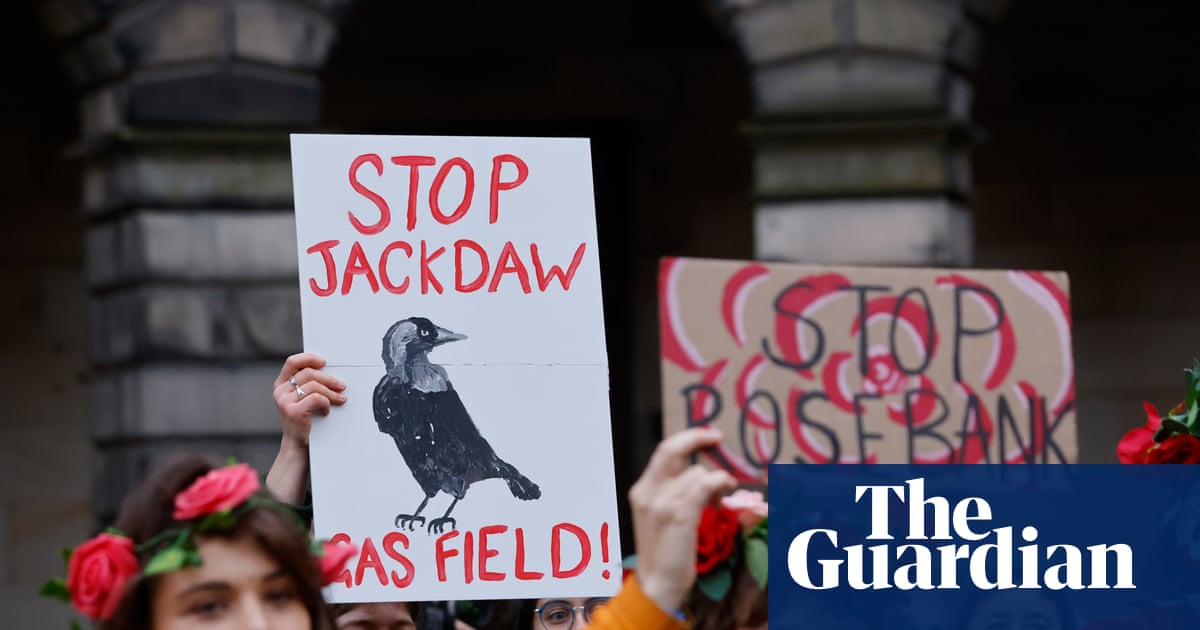
The UK government has approved the controversial Jackdaw gasfield in the North Sea, a decision expected to provide homegrown gas this winter but which dismayed environmental campaigners.
Intelligence analysis by Gemini 2.5 Flash Lite
Despite environmental concerns and a commitment to ban new drilling, the UK government has greenlit the Jackdaw gasfield. The decision, supported by industry lobbying, aims to bolster energy security with domestic gas, though critics argue it offers minimal supply and contradicts climate goals.
Imagine the UK needs more gas to heat homes, especially in winter. The government approved a new gas field called Jackdaw, like opening a new underground tap. Some people worry this tap will harm the planet, while others say it's needed to avoid buying expensive gas from other countries.
Analysis
Jackdaw Gasfield
The UK government's approval of the Jackdaw gasfield in the North Sea marks a significant, albeit controversial, step in its energy policy. This decision comes after considerable lobbying from industry players like Shell, which operates the field in a joint venture with Equinor. The government, through Energy Secretary Miatta Fahnbulleh, has framed the approval as crucial for national energy security, particularly for the upcoming winter, and as a means to reduce reliance on higher-emission imported fuels. Fahnbulleh stated that the decision is compatible with legally binding climate commitments and the broader goal of achieving net zero by 2050, a claim that has been met with strong opposition from environmental groups.
The approval is particularly contentious given Labour's previous manifesto commitment to ban new North Sea drilling licenses. While Jackdaw operates under existing licenses, the decision to grant environmental approval for production has drawn sharp criticism. Environmental campaigners, such as Tessa Khan of Uplift, argue that Jackdaw will only supply about 2% of the UK's gas demand for a decade and will not significantly offset the decline in North Sea jobs due to its largely remote operation. They contend that no new oil and gas fields are compatible with safe climate limits, and that the government's decision prioritizes fossil fuel interests over environmental protection and long-term climate goals.
Shell and Equinor
Shell, a key operator in the North Sea, has been a prominent advocate for the Jackdaw project's approval. Alongside its partner Equinor, the company has been actively lobbying the government, even commissioning a report suggesting that rejecting the Jackdaw and Rosebank projects could cost the UK economy nearly £10.8 billion over the next decade. This economic argument is a central pillar of the industry's case for continued North Sea exploration and production. The companies emphasize the role these fields play in providing a significant portion of the UK's domestic energy output at their peak, estimated by the industry to be around 10%.
However, the environmental impact assessment for Jackdaw, and the related Rosebank project, faced scrutiny. A judge had previously ruled that companies needed to account for the carbon emissions generated by burning the extracted oil and gas. This led to the resubmission of applications for environmental approval. The approval of Jackdaw could have political ramifications, particularly in north-east Scotland, a region with a strong ties to the oil and gas industry where unions have campaigned for the permits. Conversely, it could create internal friction within the Labour party, especially in constituencies where the Green party poses a significant electoral challenge. A recent poll indicated that a substantial portion of voters, including past Labour supporters and younger demographics, would be less inclined to vote Labour if it approves further North Sea drilling.
Key points
- The UK government has approved the controversial Jackdaw gasfield in the North Sea.
- The decision aims to enhance domestic energy security and reduce reliance on imported fuels.
- Environmental campaigners criticize the approval, arguing it conflicts with climate goals and offers minimal supply.
- The Jackdaw field is operated by Shell in a joint venture with Equinor.
- The approval could have political implications for the Labour party, particularly in areas with strong ties to the oil and gas industry.
The approval of the Jackdaw gasfield could bolster the UK's energy security by providing a source of homegrown gas, potentially reducing reliance on more expensive and higher-emission imported fuels during the winter months. This domestic supply could also support skilled jobs in the North Sea region.
Environmental campaigners argue that approving new fossil fuel projects like Jackdaw undermines the UK's climate commitments and contradicts the urgent need to transition to renewable energy sources. They contend that the gas produced will have a negligible impact on overall energy demand and bills while contributing to climate change.