UK Diplomats No Longer Get Hardship Bonus for Being Posted to Buenos Aires
The UK government has removed Buenos Aires and Santiago from the list of cities where diplomats receive hardship payments. The payments are meant to compensate staff and families for the additional costs and challenges of living overseas in difficult locations.
Intelligence analysis by Llama
The UK government has removed Buenos Aires and Santiago from the list of cities where diplomats receive hardship payments. The payments are meant to compensate staff and families for the additional costs and challenges of living overseas in difficult locations. The decision has been criticized by the Conservatives, who argue that it is unfair on the taxpayer.
Imagine you're a diplomat working in a city that's not very safe. The UK government used to give you extra money to help you live there, but now they're not doing that anymore. This means that diplomats who are working in cities like Buenos Aires will have to find other ways to cover the extra costs of living there.
Analysis
Buenos Aires: A City No Longer Considered a Hardship Posting
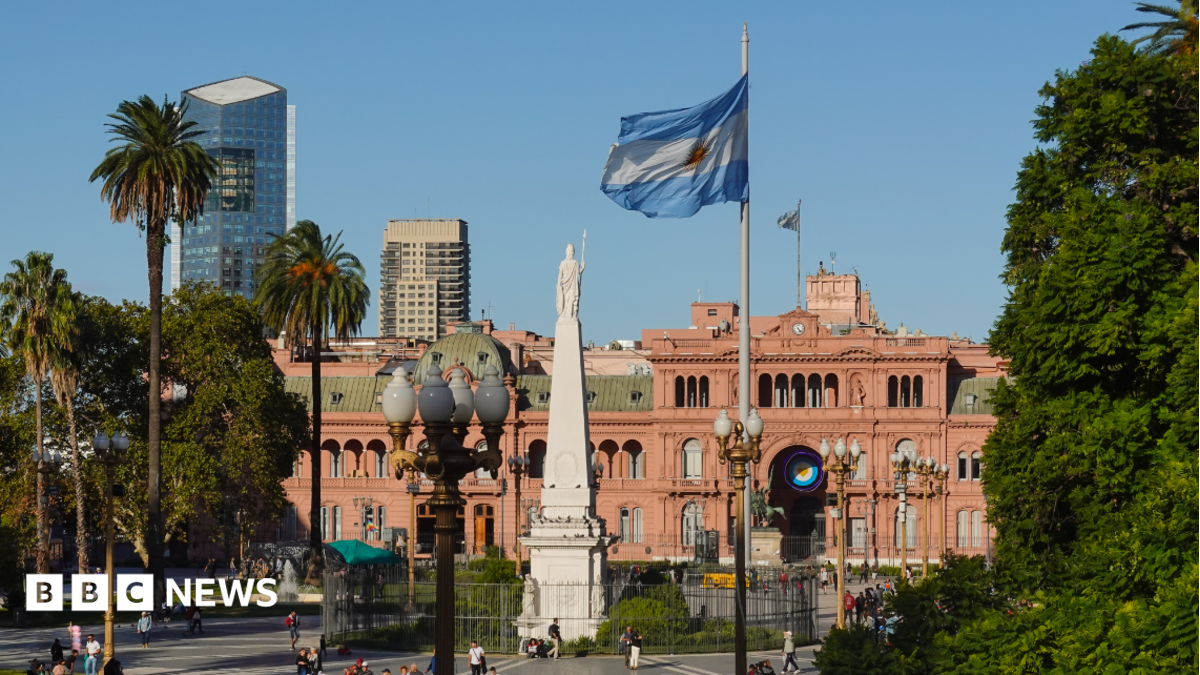
The UK government's decision to remove Buenos Aires from the list of cities where diplomats receive hardship payments is a significant development. Buenos Aires, the capital of Argentina, has long been considered a challenging posting due to its high crime rate and economic instability. However, the city's reputation as a hardship posting has been downgraded in recent years, and the UK government has decided to remove it from the list.
The Impact on Diplomats
The removal of Buenos Aires from the list of hardship postings will have a significant impact on diplomats who are currently serving in the city. Diplomats who are currently receiving hardship payments will no longer be eligible for these payments, and they will have to make arrangements to cover the additional costs of living in Buenos Aires.
The Role of the Hardship Payment
The hardship payment is a key component of the UK's diplomatic compensation package. The payment is designed to compensate diplomats and their families for the additional costs and challenges of living overseas in difficult locations. The payment is reviewed regularly, and the UK government has decided to remove Buenos Aires and Santiago from the list of cities where diplomats receive hardship payments.
The Conservative Criticism
The UK government's decision to remove Buenos Aires and Santiago from the list of cities where diplomats receive hardship payments has been criticized by the Conservatives. The party's chairman, Kevin Hollinrake, has argued that it is unfair on the taxpayer to provide hardship payments to diplomats who are serving in cities that are not considered to be hardship postings. Hollinrake has pledged to cut the size of the civil service if the Conservatives are returned to power.
Key points
- The UK government has removed Buenos Aires and Santiago from the list of cities where diplomats receive hardship payments.
- The payments are meant to compensate staff and families for the additional costs and challenges of living overseas in difficult locations.
- The decision has been criticized by the Conservatives, who argue that it is unfair on the taxpayer.
- The removal of Buenos Aires and Santiago from the list of cities where diplomats receive hardship payments could lead to a more efficient and cost-effective diplomatic corps.
- The removal of Buenos Aires and Santiago from the list of cities where diplomats receive hardship payments could lead to a decrease in the quality of life for diplomats serving in these cities.
The removal of Buenos Aires and Santiago from the list of cities where diplomats receive hardship payments could lead to a more efficient and cost-effective diplomatic corps. The UK government may be able to redirect the funds saved from the hardship payments to other areas of the diplomatic corps, such as training and development programs for diplomats.
The removal of Buenos Aires and Santiago from the list of cities where diplomats receive hardship payments could lead to a decrease in the quality of life for diplomats serving in these cities. Diplomats may struggle to cover the additional costs of living in these cities, which could lead to a decrease in morale and an increase in turnover.