UK employers cut job vacancies as Burnham aims to lift living standards
UK job vacancies fell to 712,000 in the three months to May, nearly half the 2022 level, while unemployment held steady at 4.9%, highlighting a fragile economic outlook.
Intelligence analysis by Gemini 2.5 Flash
Employers are cutting job vacancies due to economic uncertainty, high staffing costs, and global conflicts, posing a significant challenge for new Prime Minister Andy Burnham's plans to raise living standards. Private sector pay growth also slowed, impacting household incomes.
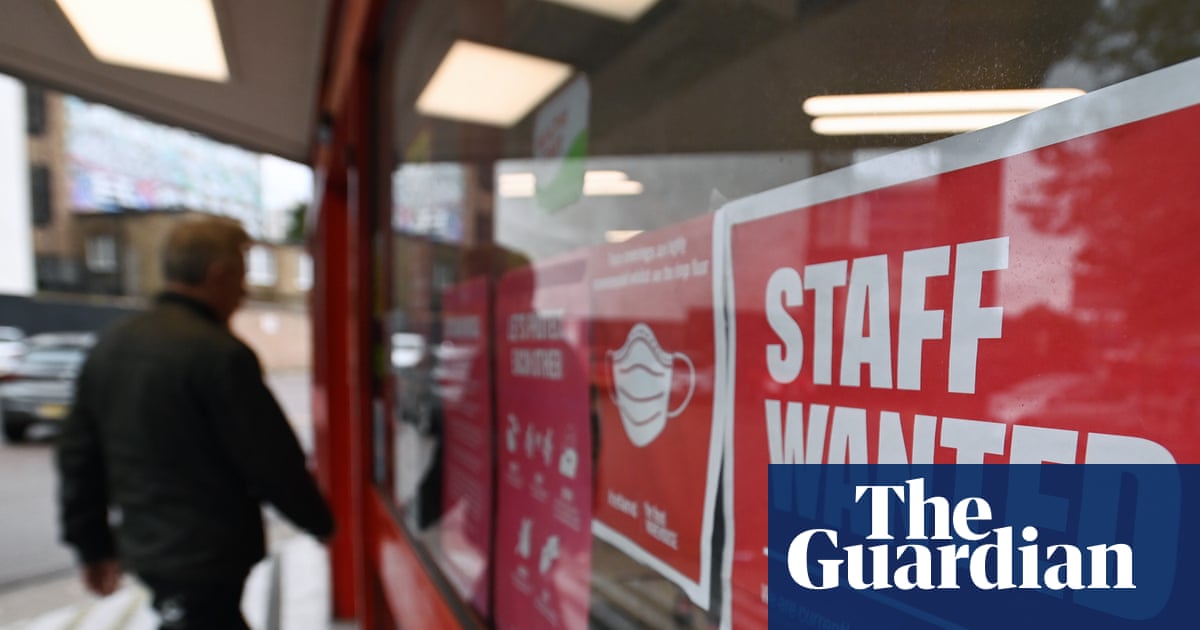
Imagine fewer 'Help Wanted' signs in shop windows, even though lots of people still want jobs. The new boss of the country, Andy Burnham, wants to make sure everyone has enough money to live comfortably, but it's a tricky job because things like wars far away can make prices go up and make businesses careful about hiring new people.
Analysis
The Weakening UK Labour Market
The latest official figures from the Office for National Statistics paint a concerning picture of the UK's labour market. Job vacancies plummeted to 712,000 in the three months to May, representing nearly half the level seen in 2022. This significant reduction indicates that employers are increasingly hesitant to hire new staff, reflecting a broader slowdown in economic activity. Despite this sharp decline in available jobs, the unemployment rate remained steady at 4.9% in May, the same level as April. This stability, however, masks a weakening trend over the past two years, with unemployment having steadily risen from a low of 3.6% in the summer of 2022, peaking at 5.2% last year before a slight dip.
Suren Thiru, chief economist at ICAEW, characterized the situation as a "fragile labour market." He attributed the decline in recruitment and pay awards to a combination of "soaring employment taxes" and the "economic turbulence sparked by the Iran war." The persistent fall in job vacancies serves as a "stark warning" that demand for staff is diminishing under the cumulative weight of high staffing costs, increased regulatory burdens, and heightened economic uncertainty. This environment suggests that jobseekers are likely to face considerable strain in the coming months, with unemployment projected to edge higher as cost pressures and weakening demand continue to inhibit hiring, particularly if clarity on future tax policy remains elusive.
Burnham's Economic Challenge
The new Prime Minister, Andy Burnham, faces a formidable task in revitalizing the UK economy and delivering on his key promise to raise living standards across all regions. His administration is set to unveil a comprehensive 10-year economic plan later this year, aiming to inject renewed vigour into the economy. However, the immediate economic indicators present significant headwinds. Private sector earnings growth dropped to 2.9%, bringing the average rise in earnings, including bonuses, to 4.3% in the three months to May. This figure fell short of economists' forecasts of a 4.5% rise, highlighting the challenge in boosting real incomes.
Unions have been vocal in their demands for the Burnham government to address the cost of living crisis. Paul Nowak, the TUC general secretary, acknowledged the positive start with a pledge to cut VAT on electricity bills, but stressed the need for further action. He pointed to the ongoing impact of "Donald Trump’s illegal war in Iran" on household bills and advocated for more substantial measures. Nowak suggested that the government could generate up to £60bn over four years by implementing a tax on bank profits, which could then be utilized to further reduce household bills and stimulate economic growth. This underscores the pressure on the new government to find innovative fiscal solutions amidst a challenging economic backdrop.
Monetary Policy and Future Outlook
The weakening labour market and the slowdown in private sector pay growth have significant implications for the Bank of England's monetary policy decisions. Economists suggest that the observed fall in private sector pay growth could alleviate some of the pressure on the Bank to raise interest rates, which have been a tool to combat inflation. Several Bank of England officials have previously voiced concerns about persistently high pay growth contributing to production costs and inflationary pressures. With rate-setters scheduled to meet next week, expectations are that interest rates will be held steady at 3.75%.
Despite the potential for eased inflationary pressure from wages, the overall outlook for the UK economy remains "fragile." The government spokesperson acknowledged that too many young people are "locked out of work," signaling a commitment to reform education and create opportunities. However, the shadow work and pensions secretary, Helen Whately, criticized Labour's tax policies, arguing that "higher taxes means lower growth and fewer jobs." This political debate over fiscal policy adds another layer of uncertainty to the economic environment. The combination of declining vacancies, steady but elevated unemployment, and global geopolitical turbulence suggests a cautious path ahead for both policymakers and the general public.
Key points
- UK job vacancies fell to 712,000 in the three months to May, nearly half the 2022 level.
- Unemployment remained steady at 4.9% in May, but has risen from a low of 3.6% in 2022.
- Private sector earnings growth dropped to 2.9%, with average earnings including bonuses at 4.3%.
- Economists attribute the fragile labor market to high employment taxes and economic turbulence from the Iran war.
- New Prime Minister Andy Burnham aims to raise living standards with a 10-year economic plan, while unions call for measures like cutting VAT on energy bills and taxing bank profits.
Prime Minister Burnham's upcoming 10-year economic plan could successfully boost living standards and inject vigour into the economy. The slowdown in private sector pay growth might also ease pressure on the Bank of England, potentially leading to stable interest rates.
The continued fall in job vacancies and fragile labor market could lead to noticeably higher unemployment, especially for jobseekers. Persistent uncertainty from global conflicts and future tax policy could further inhibit hiring and economic growth.