UK government promises disabled air passengers better safeguards
The UK government has pledged improved safeguards for disabled air passengers, including protection against damaged wheelchairs and better staff support, following an industry report highlighting ongoing dissatisfaction.
Intelligence analysis by Gemini 2.5 Flash
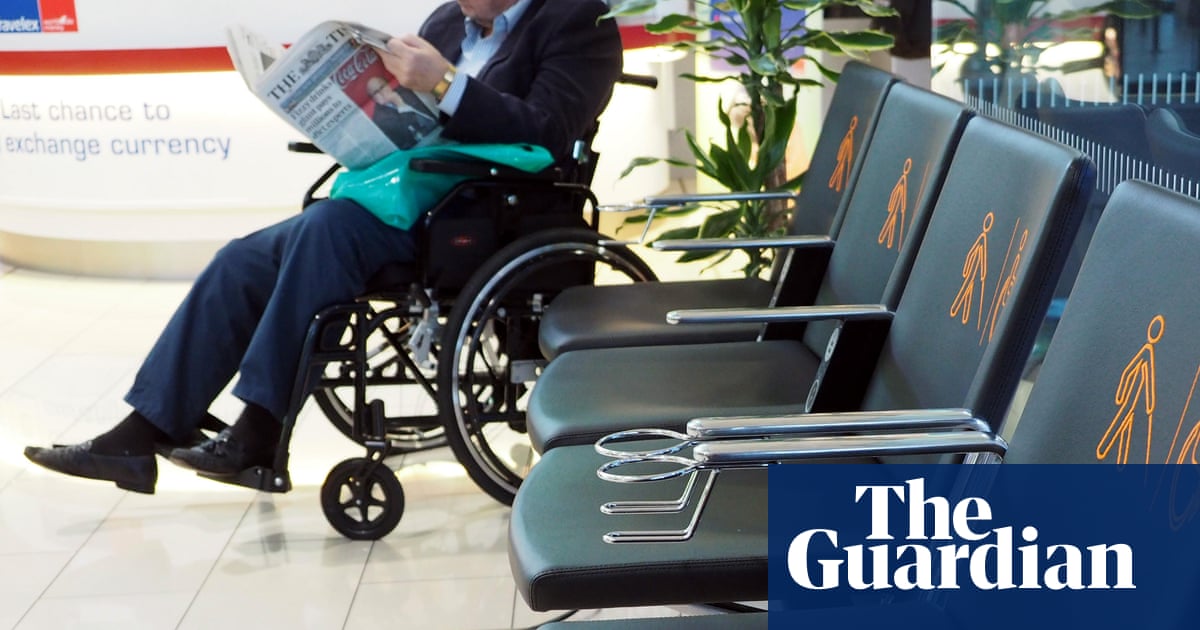
Despite recent progress, nearly one in five disabled air travelers remain dissatisfied with their experience. The government plans to remove compensation caps for damaged wheelchairs and empower the aviation regulator to fine airlines and airports for failing to provide necessary assistance, aiming to ensure dignified travel.
Imagine flying on an airplane, but you use a special wheelchair to get around. Sometimes, these wheelchairs get broken on the trip, or the airport staff aren't there to help you. The UK government wants to fix this! They're promising new rules to make sure wheelchairs are safe and that airport helpers are always ready. It's like making sure everyone gets to ride the bus comfortably, without worrying about their bike getting squashed or not having a ramp.
Analysis
The UK government's recent pledge to enhance safeguards for disabled air passengers marks a pivotal moment in addressing long-standing issues within the aviation industry. This commitment comes a year after a comprehensive review led by Tanni Grey-Thompson, which underscored the urgent need for action following numerous incidents where disabled passengers faced significant challenges, including being stranded without adequate assistance. The Department for Transport's announcement signals a proactive approach to consumer protection, aiming to restore confidence and ensure equitable access to air travel for all citizens. The proposed legislative changes, particularly within the civil aviation bill, are designed to provide stronger legal backing for these new protections.
Tanni Grey-Thompson
The impetus for the current government action largely stems from the recommendations put forth in the review led by Tanni Grey-Thompson. This review served as a critical assessment of the state of accessibility in air travel, exposing systemic failures and highlighting the distress experienced by disabled passengers. Its findings galvanized both industry stakeholders and policymakers, creating a mandate for reform. The industry-led accessibility group, tasked with implementing these recommendations, acknowledges that while a positive start has been made, there remains "much more to be done" to fully embed the necessary changes. This ongoing effort reflects the complexity of overhauling established practices across numerous airports and airlines.
Progress has been noted in areas such as enhanced staff training and the introduction of a standardized system for handling mobility aids. These operational improvements are direct responses to the issues identified in Grey-Thompson's report, aiming to mitigate common problems like inadequate assistance and mishandling of essential equipment. The continued focus on embedding these changes suggests a long-term commitment, moving beyond superficial adjustments to foster a culture of inclusivity and respect within the aviation sector. The goal is to enable disabled individuals to fly with confidence and dignity, a fundamental right that has often been compromised.
1,000 wheelchairs
A stark illustration of the challenges faced by disabled passengers is the alarming statistic that over 1,000 wheelchairs were damaged in transit during 2024 alone, averaging more than 80 incidents per month. This figure not only represents a significant financial burden for airlines and insurers but also profound personal disruption and distress for the individuals whose vital mobility aids are compromised. The government's plan to remove the maximum payout in compensation for lost and damaged wheelchairs directly addresses this issue, aiming to ensure that passengers are fully reimbursed for the true value of their equipment, which often far exceeds current compensation limits.
This policy change is crucial because a wheelchair is not merely luggage; it is an extension of a person's body and independence. Its damage can severely impact a passenger's ability to travel, work, and live independently. By removing the compensation cap, the government is signaling a recognition of the profound impact such damage has, shifting the responsibility more firmly onto airlines to handle mobility aids with the utmost care. This move is expected to incentivize airlines to invest further in better handling procedures and staff training, ultimately reducing the incidence of damage and improving the overall travel experience for disabled passengers.
Heidi Alexander
Transport Secretary Heidi Alexander has articulated the government's vision for disabled air travel, emphasizing the importance of "dignity and peace of mind." Her statement underscores the emotional and practical toll that current deficiencies take on disabled passengers, who often face anxiety about their wheelchairs' safety or the availability of adequate support. Alexander's commitment highlights a broader governmental objective to ensure that air travel is not just accessible, but also stress-free and respectful for everyone. This involves a multi-faceted approach, combining legislative changes with industry collaboration.
The government's backing for industry-led initiatives, such as overhauling staff training and developing systems to prevent mobility aid damage, demonstrates a collaborative strategy. This approach seeks to leverage industry expertise while providing regulatory oversight. Furthermore, the plan to grant the aviation regulator new powers to fine airlines and airports for non-compliance introduces a robust enforcement mechanism. This ensures that the pledges translate into tangible improvements and that accountability is maintained. The combination of proactive industry measures and strong regulatory teeth is intended to drive meaningful and lasting change, ensuring that the promise of better safeguards is fully realized across the UK's aviation network.
Key points
- The UK government has pledged better safeguards for disabled air passengers, including protection for wheelchairs and improved staff support.
- An industry report indicates that almost one in five disabled passengers are still dissatisfied with their air travel experience.
- Over 1,000 wheelchairs were damaged in transit in 202 UK, averaging more than 80 per month.
- The government plans to remove the maximum compensation payout for lost or damaged wheelchairs.
- New powers will be given to the aviation regulator to fine airlines and airports for failing to provide required assistance.
If these new safeguards are effectively implemented, disabled air passengers could experience significantly improved travel conditions, leading to greater confidence and independence when flying. The removal of compensation caps and increased regulatory powers could incentivize airlines to invest more in staff training and equipment handling, reducing incidents of damage and enhancing overall service quality.
Despite the government's pledges, there's a risk that implementation could be slow or insufficient, leading to continued dissatisfaction among disabled passengers. The rising number of assistance requests could strain airport and airline resources, potentially compromising service quality if not adequately addressed through increased staffing and infrastructure investment.