UK house prices fall for third successive month amid Iran war uncertainty
UK house prices fell 0.1% in May, the third straight monthly drop, as higher mortgage costs hurt affordability and demand.
Intelligence analysis by GPT-5.4 Mini
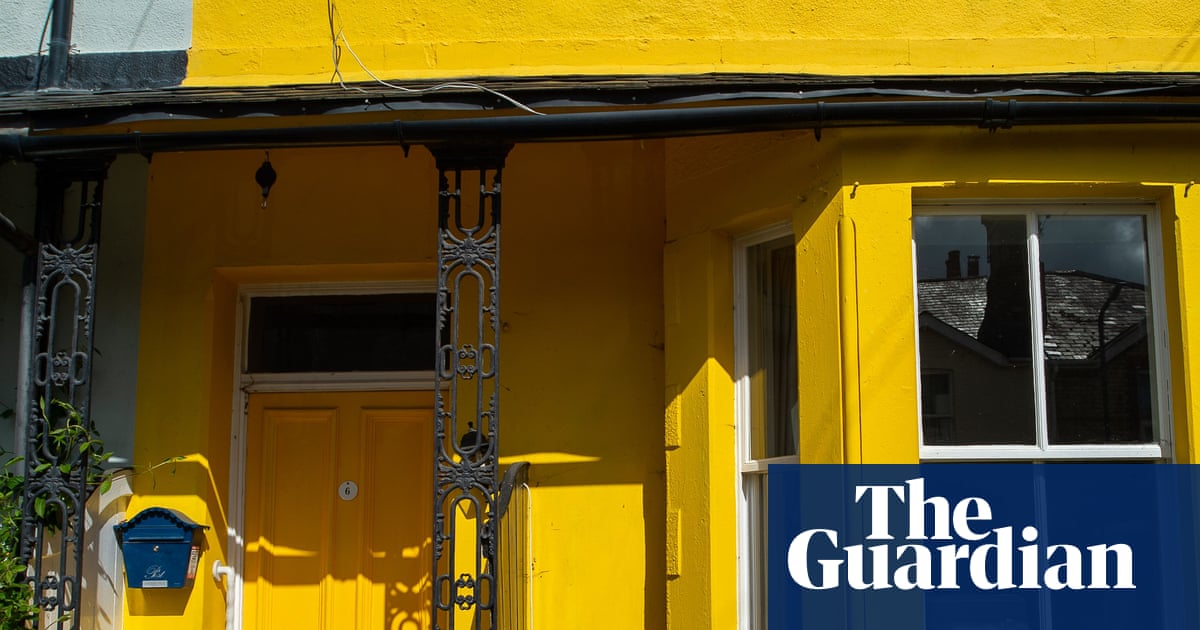
Halifax said the typical UK home slipped to £298,806 in May, defying forecasts of a small rise. The lender blamed uncertainty linked to Middle East conflict, sticky mortgage rates and weaker buyer demand.
UK house prices slipped again, like a balloon slowly losing air. Higher mortgage costs made it harder for people to buy, so fewer buyers pushed prices up.
Analysis
What happened
Halifax reported that the average price of a typical UK home fell 0.1% in May to £298,806. That was the third monthly drop in a row, after falls of 0.1% in April and 0.5% in March, and it came in below forecasts for a small increase.
Why prices softened
Amanda Bryden, Halifax’s head of mortgages, linked the weaker market to uncertainty around developments in the Middle East. She said recent mortgage rate cuts have been offset by higher inflation expectations, which have kept borrowing costs above the levels seen at the start of the year. That has continued to squeeze affordability and reduce demand.
What the market looks like now
On an annual basis, prices were still up 0.5% in May, slightly faster than April’s 0.4%, but still well below the 1% growth analysts expected. Halifax said prices are likely to stay broadly stable in the coming months even though mortgage rates remain stubbornly high.
The interest-rate backdrop is still heavy. Moneyfacts said the average two-year fixed mortgage rate on Thursday was 5.66%, up from 4.83% at the start of March, while the average five-year fixed rate stood at 5.62%, up from 4.95%. The lender has also cut its forecast for annual house price growth this year by half.
Broader read-through
Other market voices described conditions as favouring buyers because there is plenty of stock available, while sellers and buyers are adjusting expectations rather than losing confidence outright. Halifax, however, said first-time buyer activity looked more subdued. Nationwide had already reported a monthly fall earlier in the week, reinforcing the sense that the housing market has lost momentum.
Key points
- Halifax said UK house prices fell 0.1% in May to £298,806, the third monthly decline in a row.
- The fall came despite forecasts for a 0.1% rise and reflected weaker demand and affordability pressures.
- Halifax linked the market slowdown to uncertainty around the Middle East conflict and higher borrowing costs.
- Average two-year and five-year fixed mortgage rates were both higher than at the start of March.
- Prices were still up 0.5% year on year, but Halifax expects only broadly stable conditions ahead.
If mortgage rates stop rising and prices stay broadly stable, the market could become easier for buyers to navigate. That would especially help first-time buyers, who may face less risk of being priced out further.
If inflation expectations stay high, mortgage costs may remain sticky and keep affordability under pressure. Halifax also said first-time buyer activity was more subdued, which could leave the market stuck with weak demand and little momentum.