UK house prices rise for first time since start of Iran war
UK house prices saw their first monthly increase since February, rising 0.2% in June to an average of £299,330, according to Lloyds, signaling a potential stabilization after a period of decline linked to the Iran war.
Intelligence analysis by Gemini 2.5 Flash
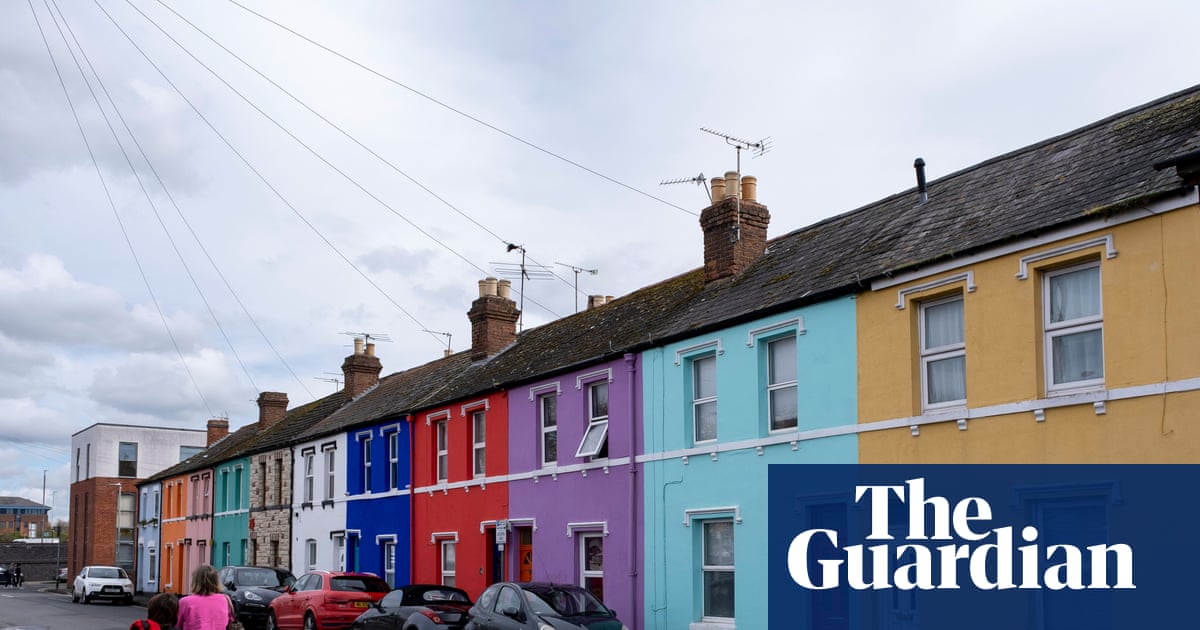
The UK housing market is showing tentative signs of recovery, with a modest rise in property values in June, marking the first monthly gain since the onset of the Iran war. This uptick comes as mortgage rates have eased and oil prices have fallen, despite ongoing global economic uncertainty and regional disparities in price growth.
Imagine house prices are like a seesaw. For a few months, they were going down because of a big war far away that made everything more expensive. But now, the seesaw has gone up a tiny bit for the first time! This means houses cost a little more than last month, maybe because things are getting a bit calmer and borrowing money for a house is a little easier.
Analysis
A Tentative Rebound Amidst Global Headwinds
The UK housing market experienced its first monthly price increase since February, with the average property value reaching £299,330 in June, a 0.2% rise. This modest gain, reported by Lloyds, follows a period of decline attributed to the economic fallout from the Iran war, which began in late February. The annual growth rate also edged up slightly to 0.6% from 0.5%, suggesting a nascent stabilization.
This rebound is particularly noteworthy given the preceding four months of stagnation or decline, directly linked to the geopolitical conflict. The war initially caused oil prices to soar and inflation to rise, leading to expectations of interest rate increases from the Bank of England. The current easing of mortgage rates and the return of oil prices to pre-war levels are cited as key factors supporting this recent uptick.
Regional Disparities and Buyer Resilience
Despite the overall national increase, the housing market exhibits significant regional variations. Northern Ireland continues to lead with robust annual growth of 7.4%, followed by Scotland at 3.9% and Wales at 0.9%. Within England, stronger price growth is concentrated in northern regions like the North-East (2.8%) and North-West (2.4%).
Conversely, southern regions, including the South-East and London, continue to experience declines, with prices falling 2% and 1.1% year-on-year, respectively. This divergence highlights a fragmented market, where affordability constraints likely play a larger role in more expensive areas. The resilience of first-time buyers, with their segment seeing 0.8% annual growth, further underscores persistent demand despite stretched affordability.
The Path Ahead: Inflation and Confidence
Amanda Bryden, head of mortgages at Lloyds, emphasized that the outlook for house prices remains contingent on inflation continuing to ease and household confidence gradually improving. While lower borrowing costs offer some support, affordability remains a significant hurdle for many prospective buyers. The fragile ceasefire in the Iran war and the reopening of the Strait of Hormuz have contributed to a more stable economic environment, but the situation remains precarious.
The broader economic uncertainty, including the impact of global events on inflation and interest rate expectations, continues to shape market dynamics. The Bank of England's future monetary policy decisions, heavily influenced by inflation trends, will be critical in determining the sustained recovery or further fluctuations in the UK housing market. The interplay of global stability, domestic economic indicators, and consumer sentiment will dictate the pace and direction of property values in the coming months.
Key points
- UK house prices rose 0.2% in June, the first monthly increase since February, reaching an average of £299,330.
- This rise follows a period of decline linked to the Iran war, which initially caused oil prices and inflation to surge.
- Mortgage rates have eased, and oil prices have returned to pre-war levels, offering some support to the market.
- Northern Ireland, Scotland, and northern England show stronger annual price growth, while southern England and London experienced declines.
- The future outlook depends on continued easing of inflation and improving household confidence, with affordability remaining a key constraint.
If the fragile ceasefire in the Iran war holds and oil prices remain stable, inflation could continue to ease, leading to further reductions in mortgage rates. This could gradually improve household confidence and support sustained, albeit measured, demand in the housing market, potentially leading to broader price stabilization or modest growth across more regions.
The situation in the Strait of Hormuz remains shaky, with recent missile firings indicating potential for renewed conflict, which could send oil prices soaring again and reignite inflation. This would likely lead to increased interest rate expectations, further stretching affordability for buyers and potentially reversing the recent modest gains in house prices.