UK inflation pushed up by petrol and diesel price rises
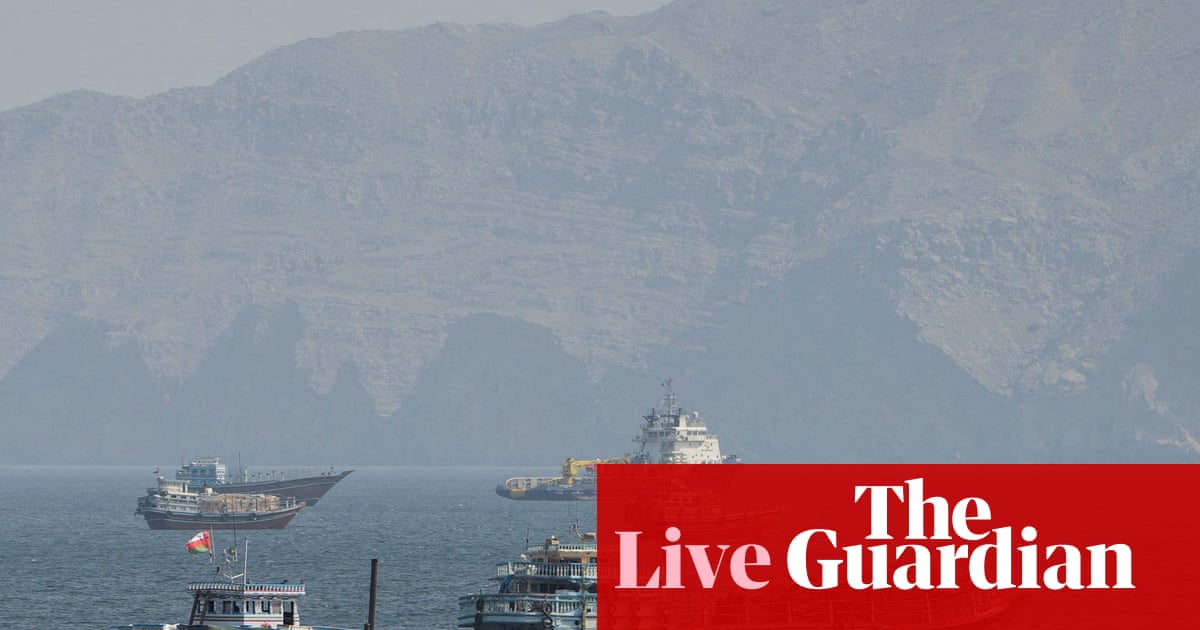
UK inflation rose to 3.1% in August, its highest in five months, primarily driven by soaring petrol, diesel, and airfare costs due to ongoing Middle East conflict disrupting global oil supplies.
Intelligence analysis by Gemini 2.5 Flash

Inflation in the UK accelerated to 3.1% in August, up from 2.9%, largely due to a significant increase in motor fuel prices, which jumped 23% year-on-year. This surge is attributed to the Middle East conflict impacting global oil supplies, pushing crude oil prices above $91 a barrel and Brent crude over $100 a barrel, with petrol reaching its highest price since November 2022.
Imagine the price of everything you buy, like toys or snacks, going up. That's inflation. Right now, in the UK, it's gone up because the fuel for cars, like petrol and diesel, costs a lot more. This is happening because there's a big problem far away that makes it harder to get oil, which is used to make fuel. So, when it costs more to fill up cars and planes, it makes other things a bit more expensive too, and grown-ups worry about how much money they have to spend.
Analysis
The recent acceleration of UK inflation to 3.1% in August marks a five-month high, primarily fueled by significant increases in petrol, diesel, and airfare costs. This development is a direct consequence of geopolitical tensions, specifically the ongoing conflict in the Middle East, which has disrupted global oil supplies and sent crude oil prices soaring. The Office for National Statistics (ONS) reported that motor fuel prices alone rose by 23% compared to August last year, with petrol reaching 161.3p per litre, a level not seen since November 2022 when the Russia-Ukraine conflict similarly impacted energy markets.
3.1%
The ONS confirmed that the annual inflation rate climbed to 3.1% in August, an increase from 2.9% in the previous month. This figure represents the highest inflation rate recorded in the UK over the past five months, signaling a renewed upward pressure on consumer prices.
While the immediate impact is concentrated on fuel and air travel, economists are closely monitoring for broader spillover effects. Capital Economics noted that, as of August, the higher oil prices had not yet significantly affected other sectors like food and drink, where inflation remained at 1.3%. However, there is an expectation that these energy cost increases will eventually be passed on to consumers across various goods and services.
Paul Dales, chief UK economist at Capital Economics, projects that the combined effect of elevated oil and gas prices, alongside businesses passing on their increased energy costs, could see inflation peak at 4.2% in January. This forecast highlights the potential for sustained inflationary pressures in the coming months, posing a challenge for economic stability.
Goran Raven
The direct impact of rising oil prices is acutely felt by small businesses, particularly those in the fuel retail sector. Goran Raven, owner of RJ Raven petrol station in Essex, articulated the immediate and severe consequences of these price fluctuations on his operations.
Raven reported a significant downturn in business, stating, "Things are down. We've got lots of pressure on us at the moment. I'd say we're about 20% down on this time last year." He emphasized that changes in the global oil price have a "real-time impact" on his forecourt, forcing him to adjust prices daily due to small tank capacities and reliance on daily spot prices for fuel deliveries. This situation underscores the vulnerability of local businesses to international market volatility.
He also highlighted the extremely thin profit margins on fuel, noting, "The margins here are wafer-thin on fuel. People like to think we're earning a lot on it. Unfortunately, we really aren't. It's single digits of pence we earn per litre." This illustrates that while consumers face higher prices, retailers are often caught between rising wholesale costs and competitive pressures, struggling to maintain profitability.
John Healey
The Chancellor, John Healey, acknowledged the global nature of the inflationary pressures, attributing them to the conflict in the Middle East. He stated, "The war in the Middle East is impacting on inflation worldwide, not just here at home. In our bills, our weekly shop and at the petrol pumps," indicating a recognition of the external factors driving domestic price increases.
Despite these global uncertainties, Healey maintained an optimistic stance on the UK economy's resilience, citing recent growth figures. The UK economy expanded by 0.4% in July, partly boosted by investment in artificial intelligence, though overall growth slowed to 0.4% in the second quarter from 0.6% in the first. This suggests a mixed economic picture, with some sectors showing strength amidst broader challenges.
However, the government's efforts to mitigate the impact on households, such as cutting VAT on household electricity bills from 5% to zero from October 1st, are expected to be partially offset by rising energy price caps. Yael Selfin, chief economist at KPMG, warned that if gas prices remain elevated, household energy bills could see further double-digit increases from January, with even larger rises possible if wholesale prices climb further. This indicates that despite government interventions, households face a challenging winter with potentially higher energy costs.
Key points
- UK inflation rose to 3.1% in August, its highest level in five months, up from 2.9%.
- The primary drivers were a 23% year-on-year increase in motor fuel prices and higher airfares.
- Global oil prices surged due to ongoing conflict in the Middle East, with Brent crude surpassing $100 a barrel.
- Petrol prices reached 161.3p per litre, the highest since November 2022.
- Economists forecast inflation could peak at 4.2% in January due to sustained energy cost pressures.
- The Bank of England's 2% inflation target is further missed, potentially influencing interest rate decisions.
Despite the global uncertainties driving inflation, the UK economy has shown resilience, expanding by 0.4% in July, partly due to investment in artificial intelligence. Government measures, such as cutting VAT on household electricity bills, aim to partially offset rising energy costs for consumers.
Economists predict that inflation could peak higher in January, as businesses pass on increased energy costs to consumers, potentially leading to further double-digit increases in household energy bills. This could exacerbate the cost of living crisis, making everyday essentials even more expensive for families.
Market signals
- OIL The article states that the Middle East conflict disrupted global oil supplies, pushing crude oil prices above $91 a barrel and Brent crude over $100 a barrel.
AI-generated analysis of potential market relevance. Not financial advice.