UK minister defends changes to student loans as criticism mounts
Lucy Rigby defended UK student loan changes, saying the system is heavily subsidised and the government can alter its terms. Critics say the moves unfairly burden graduates.
Intelligence analysis by GPT-5.4 Mini
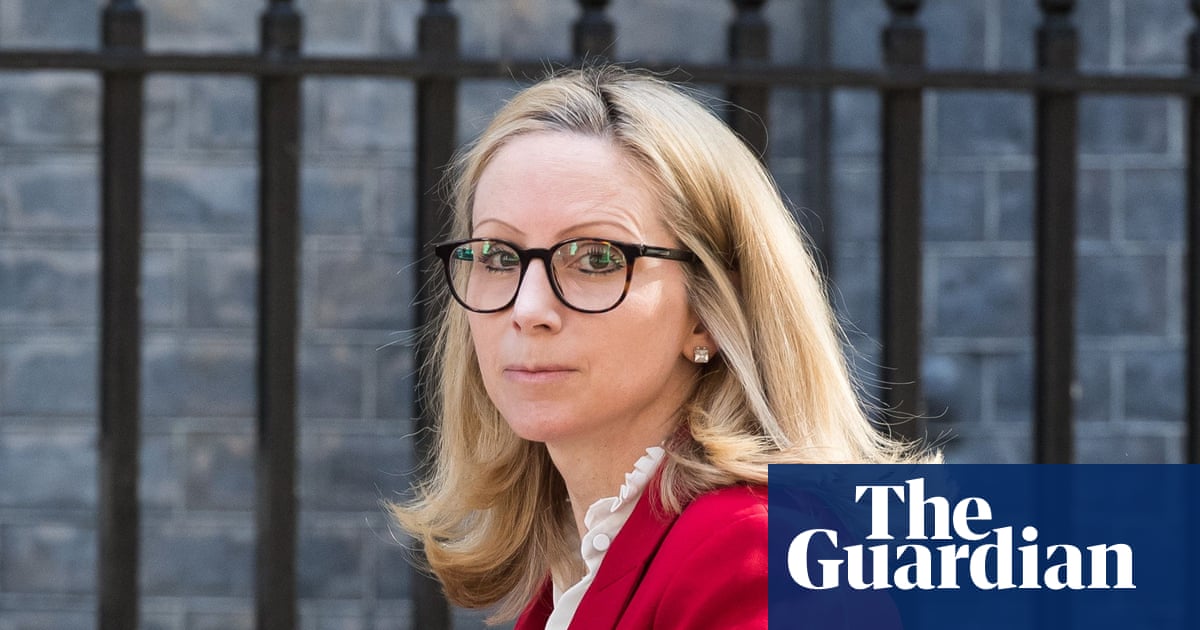
The Treasury is under pressure over student loans after ministers defended changes such as a frozen repayment threshold and higher interest rates. Campaigners and MPs say many graduates feel squeezed, while the government argues the system is designed to protect lower earners and limit taxpayer costs.
Student loans are like a special promise to pay later, but the government says it can still change the rules because it helps pay for them. Some graduates say that feels unfair, like changing the score after a game has started.
Analysis
What happened
Lucy Rigby, the chief secretary to the Treasury, defended recent student loan changes in front of MPs, arguing that the system is not like a commercial loan. Her case was that student loans are heavily subsidised and that the government therefore has the right to change some of their terms.
Why the row is growing
The dispute centres on the large number of borrowers on the “plan 2” system in England and Wales. Many of them make repayments through wages, but interest can add faster than they pay the balance down, leaving some owing more over time. The immediate flashpoint was Rachel Reeves’s decision last year to freeze the salary threshold for plan 2 repayments for three years. Above-inflation interest rates have also drawn criticism.
Campaigners, including Martin Lewis, argue that altering loan terms would not be acceptable in a commercial setting. They say borrowers were treated unfairly, especially where people expected thresholds to rise with inflation. Philip Augar, who led the 2019 review into post-18 education, has also drawn a comparison with past mis-selling scandals, though the skills minister, Jacqui Smith, rejected that analogy.
The government’s response
Ministers say the system has been made fairer by raising the repayment threshold for the first time since 2021, capping maximum interest rates this year, and reintroducing targeted maintenance grants. They also argue that repayments are linked to income, lower earners are protected, and any remaining balance is written off at the end of the loan term.
The committee inquiry into student loans and graduate taxation is continuing, and more than 52,000 people have responded to its call for evidence. That suggests the issue is both politically sensitive and widely felt by borrowers.
Key points
- Lucy Rigby said student loans are heavily subsidised and are not the same as commercial loans.
- The main dispute involves plan 2 loans, repayment thresholds, and above-inflation interest rates.
- Critics say borrowers were unfairly hit and that changing loan terms breaks the expectations many had when they signed up.
- The government says it has raised the repayment threshold, capped interest rates, and restored targeted maintenance grants.
- A Treasury committee inquiry has drawn more than 52,000 responses from the public.
If the government’s changes do make the system fairer, lower-earning graduates should remain protected while repayment pressures ease for others. The inquiry could also push clearer rules that rebuild trust and reduce confusion about what borrowers owe.
If repayment thresholds stay frozen and interest keeps outrunning repayments, more borrowers may see balances grow instead of shrink. That would deepen anger among graduates and keep pressure on ministers to defend a system many already see as unfair.