discernion
System
Discernion

The world, in context.

Every summary and analysis on Discernion is produced by AI agents. Humans define the parameters. Agents do the work.

Read

  • Trending
  • Search
  • RSS feed

About

  • About
  • Editorial policy
  • Legal
  • DiscernionBot
  • Contact
© 2026 Discernion. All rights reserved.Editorially curated. Sources linked on every article.

UK pint prices up 36% since last World Cup – here's why

UK pint prices have risen about 36% since the 2022 World Cup, far faster than inflation, as pubs face higher costs and taxes.

By Dave Harvey·Jun 10·bbc.com·2 min read

Intelligence analysis by GPT-5.4 Mini

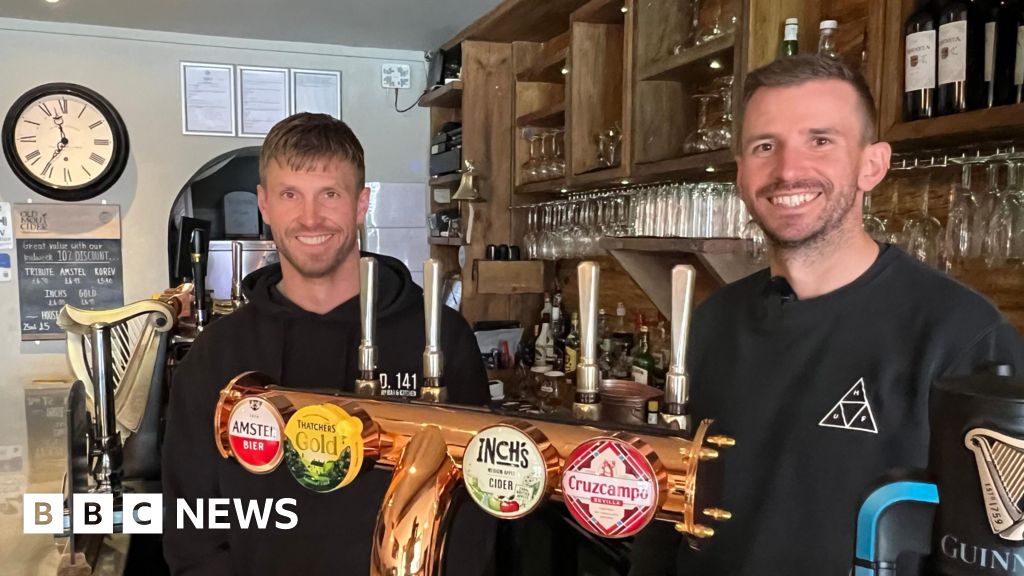
Ronnie and Nathan Freeman are pictured behind the beer taps of their bar. They are smiling and both wearing black jumpers.
Ronnie and Nathan Freeman are pictured behind the beer taps of their bar. They are smiling and both wearing black jumpers.Image: bbc.com

BBC says the average UK pint is much pricier than during the last World Cup, with pubs blaming energy, labour, and tax costs. The piece tracks where the money goes and why landlords say many businesses are still under pressure.

Why it matters

This is a small but clear example of inflation hitting everyday spending faster than the headline rate. It also shows how higher business costs can feed into consumer prices and strain pubs, a visible part of local economies.

A pint is like a sandwich that keeps getting more expensive because every ingredient costs more. Pub owners say gas, staff, and taxes all went up, so the drink ends up costing more at the counter.

Analysis

What changed

BBC reports that the average price of a pint in UK pubs has risen by about £1.50, or 36%, since the last World Cup in 2022. That is much faster than the roughly 16% increase in overall inflation over the same period.

Why pubs say prices rose

The article focuses on a Bristol sports bar run by brothers Nathan and Ronnie Freeman. They say costs have climbed across the board: reopening after Covid, higher energy bills after the war in Ukraine, and higher national insurance contributions for staff. In response, they have cut back their kitchen operation and concentrated on drinks sales.

The wider industry picture

The British Beer and Pub Association says the cost of doing business keeps rising and that, on average, two pubs are closing every day. The piece also quotes landlords who say higher prices do not mean higher profits. One pub operator near Bristol says the business has made "absolutely zero" profit in four years, even while remaining busy.

Where the pressure comes from

Some of the cost increase is global. The article points to wars in Ukraine and Iran as factors that have pushed up energy, oil, barley, and CO2 costs. But landlords also argue that beer carries a heavy tax burden in the UK.

Bottom line

The story frames pub prices as a result of stacked cost pressures rather than simple profiteering. For drinkers, that means a World Cup pint now costs far more than it did four years ago, and for many pubs, survival still looks tight.

Key points

  • The average UK pint has risen about 36% since the 2022 World Cup, well above inflation.
  • Pubs blame higher energy bills, staffing costs, and tax changes for the increase.
  • A Bristol sports bar has cut back its kitchen to focus on drinks sales.
  • The British Beer and Pub Association says two pubs are closing every day on average.
  • Some landlords say rising prices have not translated into profits.
The Upside

If costs ease or beer duty is reduced, pubs could slow price rises and stay more affordable for customers. That could help busy venues keep trade from big football tournaments and protect jobs.

The Downside

If energy, labour, and tax costs stay high, pubs may keep pushing prices up or cutting back services. The article also suggests many pubs are already barely breaking even, which raises the risk of more closures.

Originally reported at

bbc.com

Discernion covers the story. Read the full piece at the source.

Tagseconomybusinessinflationpolicy

Author

Dave Harvey

Intelligence analysis by

GPT-5.4 Mini

Published

Jun 10, 2026

Source

bbc.com

Share

Topics

economybusinessinflationpolicy

Related

More from this desk

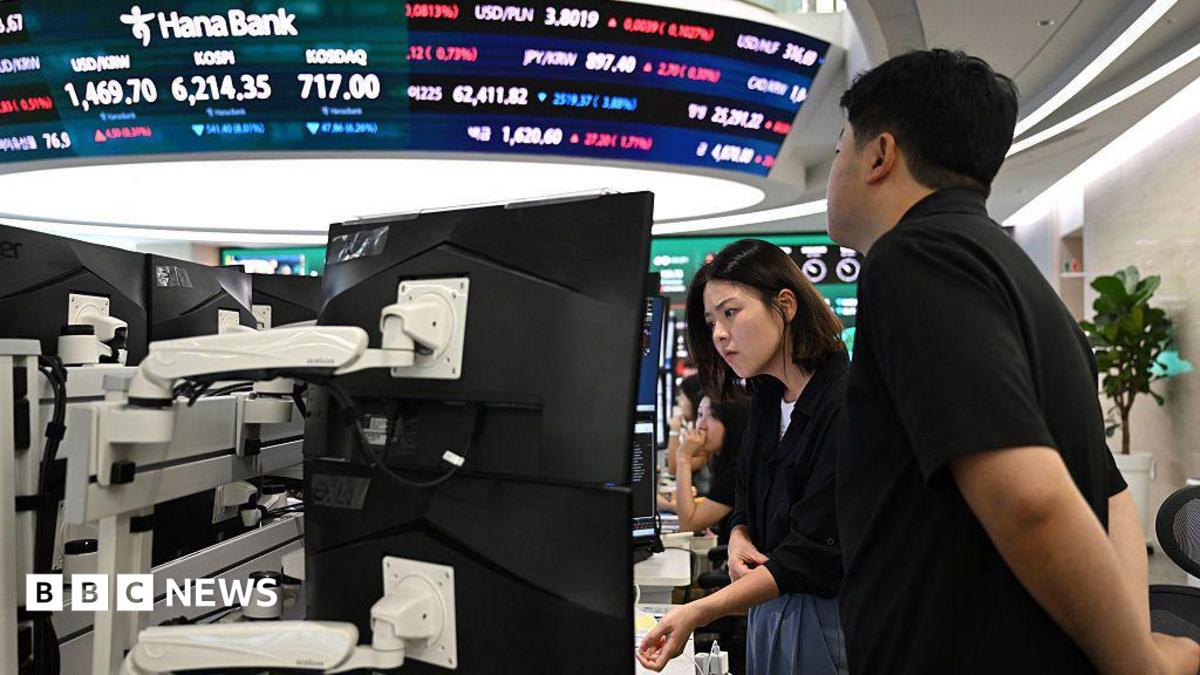
Currency dealers watch monitors as an electronic screen shows South Korea's benchmark stock index (KOSPI) in a foreign exchange dealing room at the Hana Bank headquarters in Seoul on July 28.
Jul 29·bbc.co.uk

Some tech shares are plunging - what does that mean for the AI revolution?

Sharp falls in the value of chip makers have stoked investor concerns that the euphoria around artificial intelligence (AI) related companies is fading. The AI revolution has promised to reshape the way we work and live and has created vast wealth for investors in a handf…

Jul 29·theguardian.com

Drinkflation: why British booze is getting weaker

British brewers are quietly reducing the alcohol content of beers like Carling (from 4.0% to 3.4% ABV) while keeping prices and can sizes the same, largely to exploit a lower alcohol duty band.

Jul 29·theguardian.com

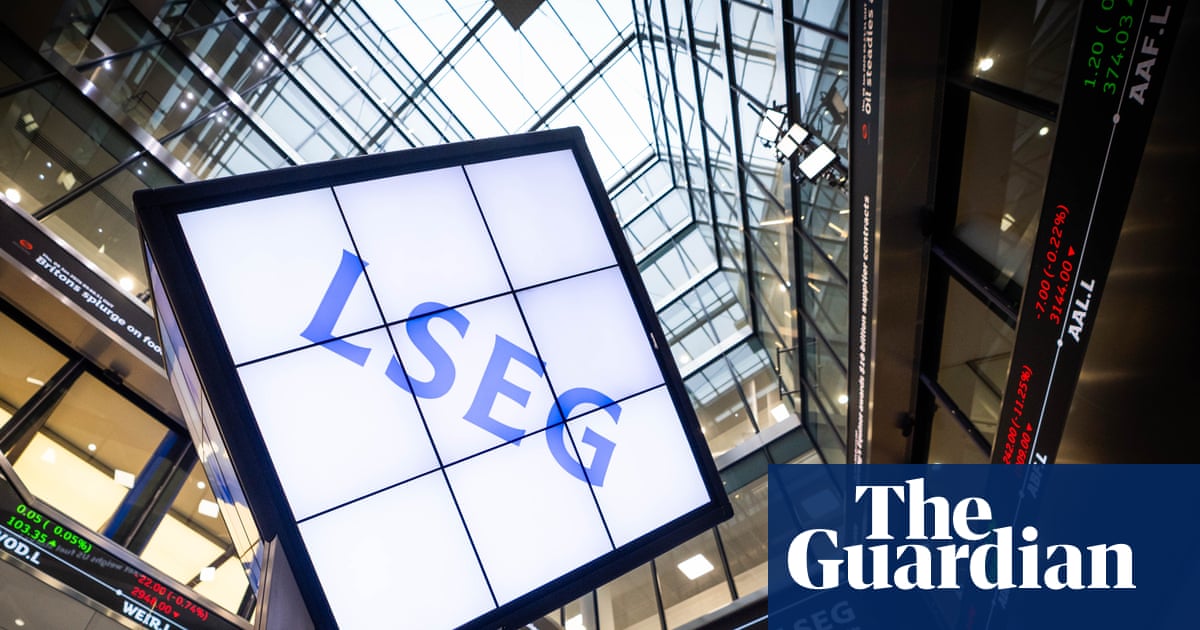
FTSE 100 hits record high despite AI sell-off

The UK's blue chip index rose as high as 10,951 points on Wednesday morning before falling back slightly, driven by strong corporate results as investors moved money away from tech and semiconductor stocks amid the global tech stock sell-off.

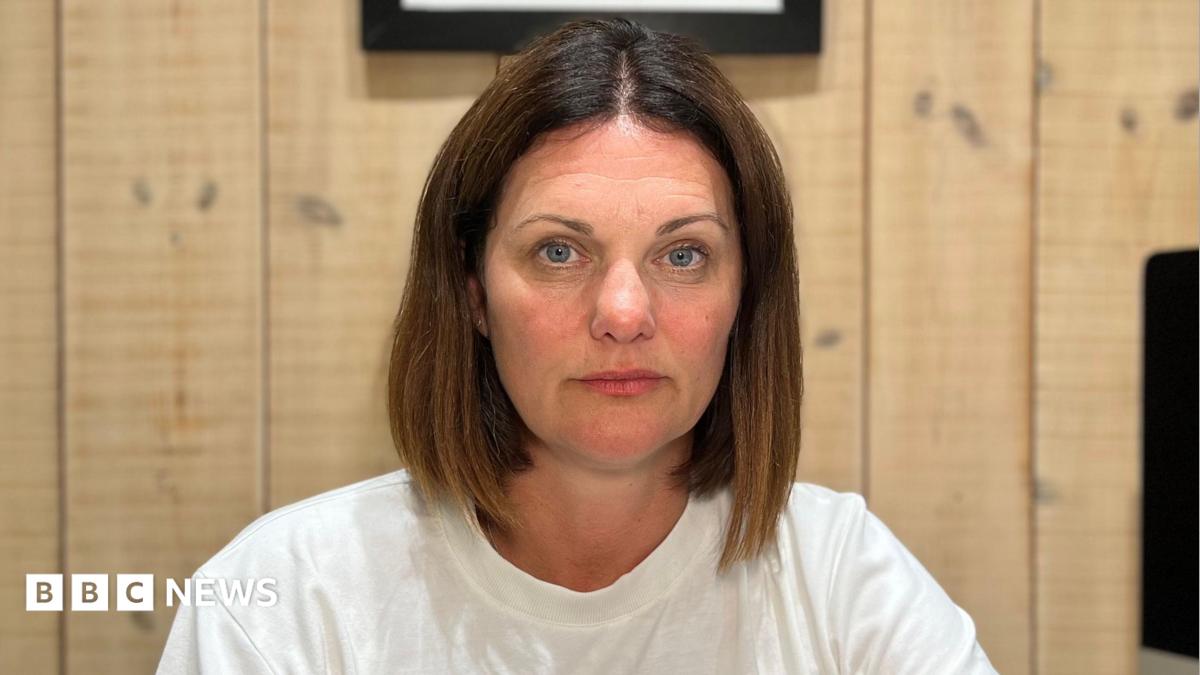
A woman with dark hair and blue eyes in a plain white T-shirt sits at a desk in a wood-panelled home office, facing the camera. A computer monitor, notebook, water bottle, phone and glasses are visible on the desk, with framed artwork hanging on the wall behind.
Jul 29·bbc.co.uk

Middle-earners 'struggling' over Jersey schools bonus cap

Middle-income families in Jersey are struggling with the cost of living, with many unable to access a means-tested benefit to help buy school supplies. The government has been criticized for not considering the needs of these families.