UK poised to ease steel tariffs as manufacturers warn of costs
Ministers are set to soften planned steel tariffs after manufacturers warned they would raise costs. Officials are weighing exemptions or a longer transition before new rules take effect on 1 July.
Intelligence analysis by GPT-5.4 Mini
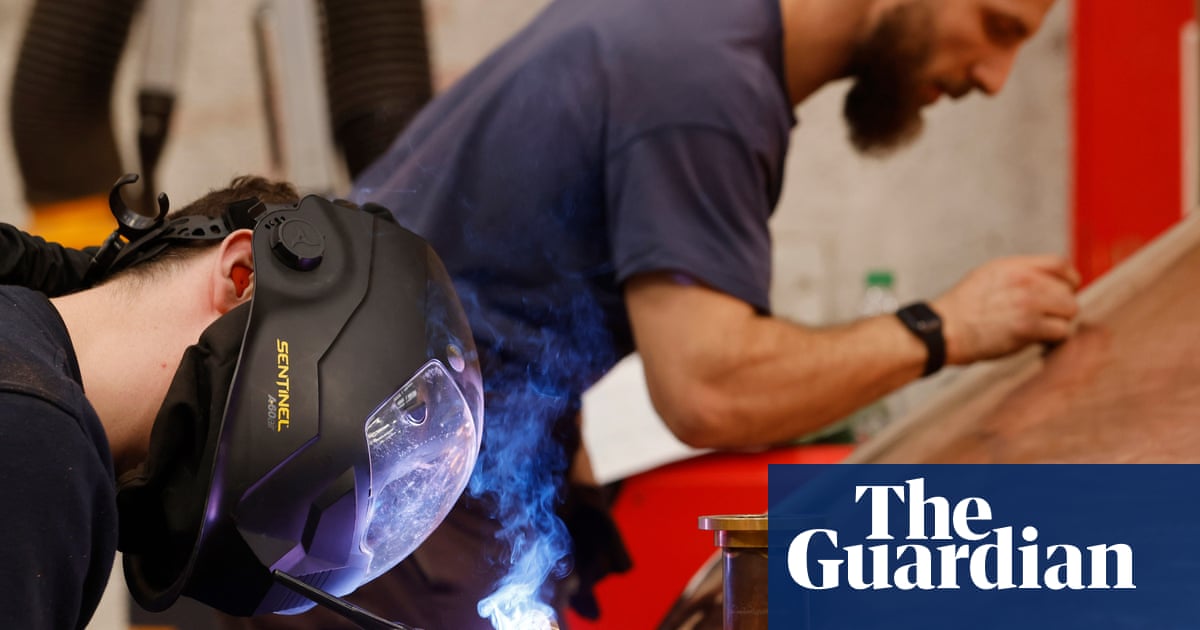
The UK government is considering watering down some planned steel import tariffs after a backlash from manufacturers that rely on steel they cannot source at home. Talks this week may settle exemptions or a longer reprieve before the current safeguards expire on 1 July.
The UK is trying to protect its steel makers, but some factories need imported steel to keep working. It is like putting a fence around one garden while trying not to block the path to the house next door.
Analysis
What is changing
The government announced in March that it would double tariffs on steel imports to 50% and cut quotas by as much as 60% to support UK steelmakers. Now, according to the article, ministers are expected to drop or soften some of those plans after manufacturers said the measures would sharply raise their costs.
Officials from the Department for Business and Trade are meeting steel trading groups to finalise a reprieve for certain industries. The options being discussed include extending the current three-month transition period to 12 months or creating formal exemptions for specific sectors and companies that need steel products not made in sufficient quantities in the UK.
Why the balance is hard
UK Steel says it has proposed removing some commodities from the tariff list to protect industries that cannot source those materials domestically. At the same time, steelmakers argue the safeguards are already helping: they say domestic supply is rising, capacity is coming back online, and jobs are being created.
The wider backdrop is international trade pressure. The current safeguards expire on 1 July, and the UK is also trying to respond to a similar move by the EU, which is planning tighter quotas and higher tariffs to protect its own market from cheaper imports from China, Vietnam, and elsewhere. Business groups say the government has heard their concerns, but the final shape of the policy is still being worked out.
Key points
- Ministers are considering easing some planned steel tariffs after manufacturers warned of higher costs.
- The March plan would have raised steel import tariffs to 50% and cut quotas by up to 60%.
- One option is a longer transition period; another is exemptions for sectors that cannot source steel domestically.
- UK Steel says some products are not made in enough quantity in the UK to meet demand.
- The decision comes as the EU is also tightening its own steel safeguards on 1 July.
If ministers land on targeted exemptions, steelmakers could still get protection while manufacturers avoid the biggest cost shock. That could help keep production moving, preserve jobs, and let domestic steel capacity recover without squeezing downstream industries too hard.
If the exemptions are too narrow or the transition is too short, manufacturers could face higher costs and supply problems almost immediately. That would make the policy feel disruptive even if it helps steel plants, and it could leave the government trying to fix the damage after 1 July.