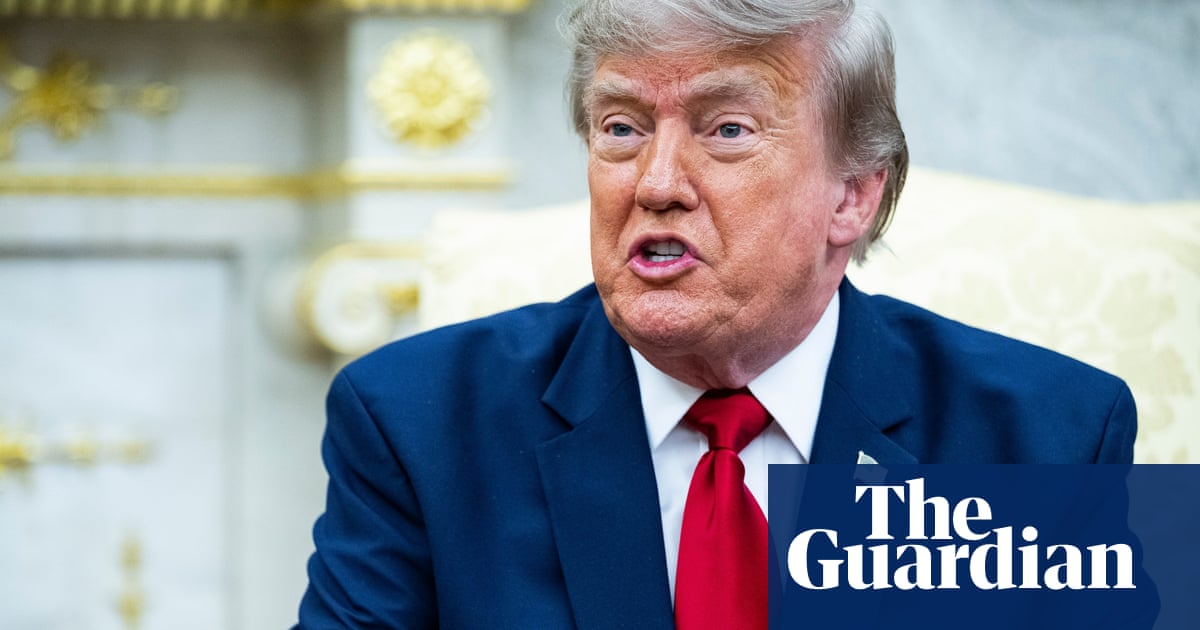
UK 'ready to defend itself' after Iranian threat over US bases
The UK government says its armed forces stand ready to defend the country after Iran's Revolutionary Guard warned that any US base used for strikes against Iran is a 'legitimate target', specifically naming RAF Fairford.
Intelligence analysis by Llama
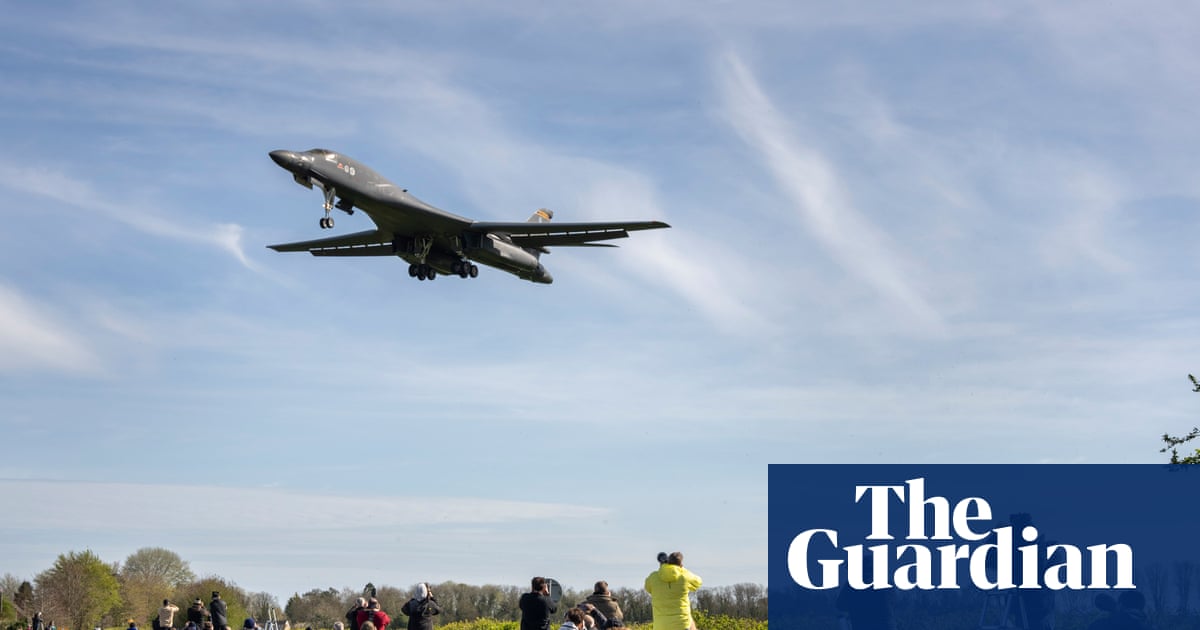
Iran's IRGC has publicly identified RAF Fairford as a launch point for US bombing missions against Iran, declaring it a legitimate target. The UK has reaffirmed it is 'ready 24/7 to defend itself' while keeping its support to the US limited to 'defensive' operations. The escalation coincides with Trump weighing a 'massive attack' and Houthi strikes pushing oil above $100 a barrel.
Imagine two friends are having a big fight in the yard, and a third friend lets one of them use his treehouse to throw things. The other friend is now angry at the treehouse owner too, and says the treehouse is fair game. The treehouse owner has to decide whether to keep letting his friend use it, even though he might get hit next.
Analysis
A Direct Line Drawn by the IRGC
For the first time, Iran's Islamic Revolutionary Guard Corps has named a specific British base — RAF Fairford in Gloucestershire — as a launch point for American bombing missions against Iran, declaring it 'a legitimate target' in a statement carried by the Tasnim news agency. The MoD declined to confirm or deny whether Fairford was used this week, a deliberate ambiguity that has been the British government's default posture since the war began. The IRGC paired the operational threat with a broadside against the 'British monarchy regime', accusing it of a 'black record' of partition and occupation and warning London 'not to weigh down its record any further'.
The statement is the latest in a string of Iranian moves against British and allied territory. A drone struck RAF Akrotiri in Cyprus on 1 March, and Iran fired two ballistic missiles at the Diego Garcia base in the Chagos Islands on 19 March, with one failing mid-flight and the other intercepted by a US airship. Iran has also struck Gulf states hosting US bases, including Bahrain, the UAE and Kuwait, killing American service personnel and drawing a vow from Donald Trump that Tehran would 'pay a big price'.
London's Bounded Support for Washington
The British government's response carefully threads a needle that has defined UK policy since the conflict opened: enable the US, but stop short of joining offensive operations. A government spokesperson said the armed forces are 'ready to keep the United Kingdom safe from any kind of attacks' and pointed to a 'layered approach' across the Royal Navy, British Army and RAF, working with NATO allies. The same statement insisted the UK would act 'in accordance with international law' and avoid being 'drawn into the wider conflict'.
That policy has now been inherited by Andy Burnham, the new prime minister, who was notified only last week that the agreement with Washington had been extended. The arrangement permits 'defensive' use of British bases hosting American aircraft, a carve-out designed to give the US reach while preserving the political fiction that Britain is not a co-belligerent. The IRGC's public naming of Fairford makes that fiction harder to maintain, and raises the question of whether London will be forced either to expand its role or to withdraw hosting rights altogether.
Oil, Escalation, and the Wider Gulf Spillover
The confrontation is now feeding directly into energy markets. On Thursday, Iran-backed Houthi rebels said they attacked two Saudi oil tankers in the Red Sea, and oil topped $100 a barrel. Trump told Axios he is 'close to making a decision' on a 'massive attack' on Iran, while suggesting Tehran's leaders 'want to negotiate' but are 'not yet ready to make a deal'. The combination of a public Iranian threat against a named British base, sustained US bombing — a 12th consecutive night of strikes — and the energy-market reaction sets up a volatile stretch in which any miscalculation at Fairford, Akrotiri or Diego Garcia could pull NATO's European pillar directly into the war.
Key points
- Iran's IRGC publicly named RAF Fairford as a 'legitimate target' for its forces, accusing the base of hosting US bombing missions against Iran.
- The UK government said its armed forces are 'ready 24/7 to defend itself' while insisting it will not be 'drawn into the wider conflict'.
- New prime minister Andy Burnham was notified only last week that the UK-US base agreement had been extended.
- Iran has previously struck RAF Akrotiri in Cyprus and fired ballistic missiles at the UK's Diego Garcia base in the Chagos Islands.
- Trump said he is 'close to making a decision' on a 'massive attack' on Iran, even as he suggested Tehran wants to negotiate.
- Houthi rebels attacked two Saudi oil tankers in the Red Sea as oil prices topped $100 a barrel.
Diplomatic space still appears to exist: Trump suggested Iran's leaders 'want to negotiate' even as he weighed escalation, and the UK has so far confined its role to enabling 'defensive' US operations, leaving room for a negotiated off-ramp. If the IRGC's warning is read as coercive leverage rather than an imminent strike order, the public threat could become a pressure point that pulls both sides back from a wider war.
The IRGC has now publicly named a British base, narrowing the gap between rhetoric and action, and prior Iranian strikes on Akrotiri and Diego Garcia show the threats have already been operationalized against UK assets. With oil above $100 a barrel, Houthi attacks on Saudi tankers expanding the theater, and Trump publicly weighing a 'massive attack', a single miscalculation at Fairford or another allied base could drag Britain directly into the conflict it has so far tried to avoid.
Market signals
- OIL Houthi attacks on Saudi tankers in the Red Sea and escalation around Iran pushed oil above $100 a barrel, per the article's reporting.
- XAU An Iranian threat against a named British base, sustained US strikes on Iran, and a 'massive attack' under consideration support safe-haven demand for gold.
AI-generated analysis of potential market relevance. Not financial advice.