UK shoppers return to high street as warm weather brings respite from shadow of war
Footfall improved on UK high streets in May as warm weather and easing war-related worries brought shoppers back out. Retailers still face pressure from higher costs, weak confidence and rising energy bills.
Intelligence analysis by GPT-5.4 Mini
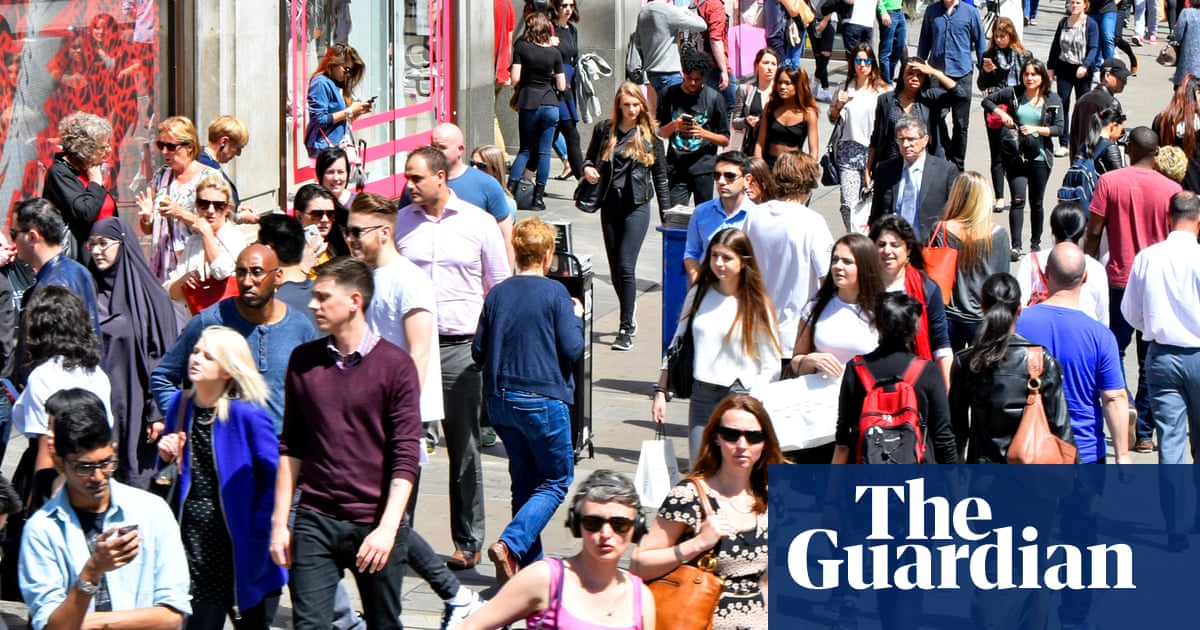
May brought a modest lift for UK retailers as sunshine and a better mood helped reverse April’s sharp drop in footfall. High streets outperformed other retail locations, but the broader picture remains fragile amid conflict, inflation pressures and higher household costs.
More people went back to the high street in May, like people stepping outside after being stuck inside for too long. Sunny weather helped, and worries cooled a bit, but shop owners still have to deal with high costs and bills.
Analysis
A better May for shops
UK retail got a small reprieve in May. The British Retail Consortium said total footfall was still down 2.6% from a year earlier, but that was a sharp improvement on April’s 10.7% drop. BDO reported total high street sales up 3.4% year on year, suggesting shoppers came back after a weak April.
What changed
The article links the improvement to spring weather and a rise in consumer confidence. Shoppers had been squeezed by higher petrol and diesel prices tied to the Middle East conflict, but May surveys showed sentiment recovering as people started to feel more comfortable about their household finances. YouGov and the Centre for Economics and Business Research said confidence rose by 2.6 points to 104.9, the strongest monthly increase since 2021.
High streets beat other formats
The BRC’s figures showed high streets holding up better than shopping centres and retail parks. High streets fell 1.7% year on year, while shopping centres declined 2.4%. Helen Dickinson of the BRC said warmer weather initially helped bring people out, but record temperatures late in the month dragged footfall back down, especially in shopping centres and retail parks.
The bigger picture
The story is not one of a full retail recovery. BDO’s Sophie Michael said uncertainty from international conflict and rising energy prices could offset any short-lived boost from summer events. The article also notes that unemployment has risen to 5% and that energy bills are expected to increase sharply later in the year. The OECD has still upgraded UK growth expectations slightly, but retailers are clearly operating in a difficult environment.
Key points
- UK high street sales and footfall improved in May after a weak April.
- BDO said high street sales rose 3.4% year on year.
- The BRC still recorded a 2.6% annual fall in total footfall.
- Consumer confidence rose in May as household finances seemed to improve.
- Retailers remain worried about conflict, energy prices and higher costs.
If consumer confidence keeps improving, high street shopping could hold up better than it did in April. A stronger summer of footfall, helped by events like the World Cup, could give retailers a useful boost in sales.
The bounce may not last if conflict-linked energy prices rise again or household budgets tighten further. The article also points to higher unemployment and sharply rising energy bills, both of which could drag shoppers back from the high street.