UK signals it may block payout to British Steel owner
The UK says any compensation to British Steel's Chinese owner would be independently assessed, as Jingye pursues a treaty claim after nationalisation.
Intelligence analysis by GPT-5.4 Mini
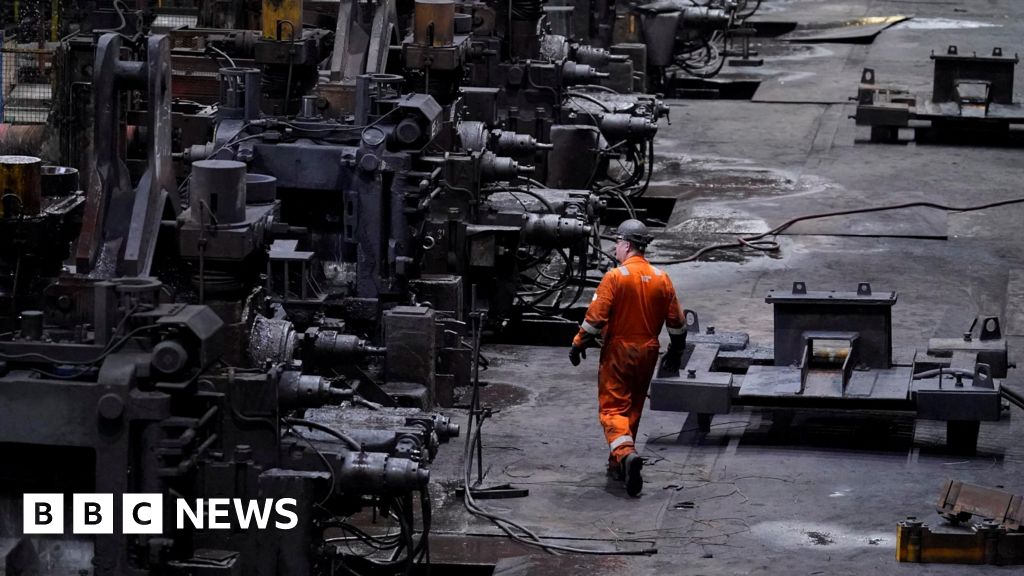
The government has indicated it may limit or refuse compensation to Jingye, which bought British Steel in 2020 and is now seeking payment after the Scunthorpe plant was nationalised. Officials say any award would be decided independently and only paid if it is found to be due.
The government took over a steel factory to keep it open, and the old owner wants money for that. Officials say an outside person will decide if any money is owed, like a referee deciding who gets the final score.
Analysis
What happened
The UK government has signalled that it could limit or refuse compensation to Jingye Group, the Chinese owner of British Steel, after taking control of the company and moving to nationalise it. Jingye says it has started consultation procedures under a bilateral investment treaty with the UK, which is meant to protect investors from both countries.
Why the dispute exists
British Steel was taken into government control on 12 April 2025 to stop the last two remaining blast furnaces from closing. The company had argued that the Scunthorpe plant was losing about £700,000 a day, while the government has said its intervention was needed to secure the future of steelmaking in the UK. Jingye bought British Steel in 2020 and later said the business was no longer financially sustainable.
What the government is saying
The Department for Business and Trade told the BBC that any compensation would be decided independently and paid only if it is found to be payable. A spokesperson said the government would comply with its international obligations and that the Steel Industry Bill is the first step toward securing steelmaking capacity and modernising the sector.
Wider stakes
The Steel Industry Bill has passed its main stage in the House of Commons and will next be considered by the House of Lords. A National Audit Office report said British Steel is costing the government about £1.3m a day. The plant has won some new work, including railway contracts in Turkey and a £500m deal to make tracks for Network Rail, but analysts say those contracts may not be enough to secure the company’s long-term future.
Key points
- The UK says any payout to Jingye would be decided independently and only if compensation is actually due.
- Jingye has begun treaty consultation procedures after the government took control of British Steel.
- British Steel was nationalised after the government stepped in on 12 April 2025 to prevent furnace closures.
- The National Audit Office said the business is costing the government about £1.3m a day.
- The Steel Industry Bill is moving through Parliament and will next be considered by the House of Lords.
If the independent compensation process stays within the rules, the dispute could be settled without a major break in the UK’s international obligations. The government could also use the Steel Industry Bill to keep British Steel going while it looks for ways to modernise the plant.
If the compensation fight drags on, it could become another costly and politically sensitive burden for the government. The article also says British Steel is already costing about £1.3m a day, and analysts doubt recent contracts alone can secure its long-term future.