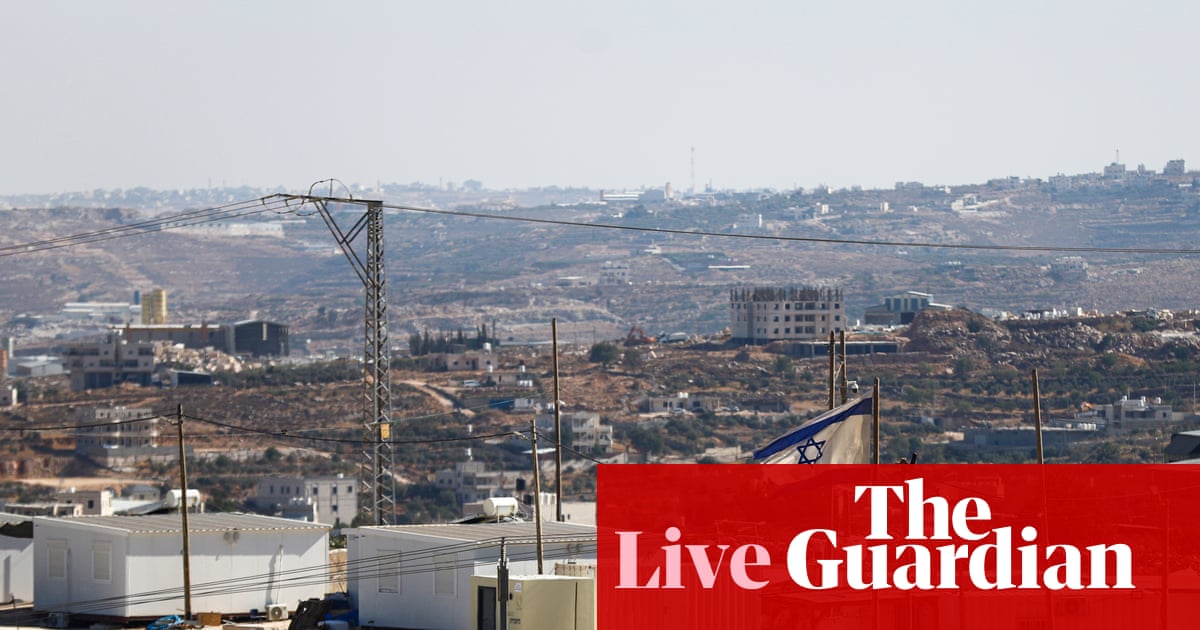
UK to adopt tougher stance on Israel with illegal settlements trade ban
The UK is set to announce a new, tougher stance on Israel, including a ban on trade in goods and services from illegal Israeli settlements, drawing criticism from the US and Israel.
Intelligence analysis by Gemini 2.5 Flash
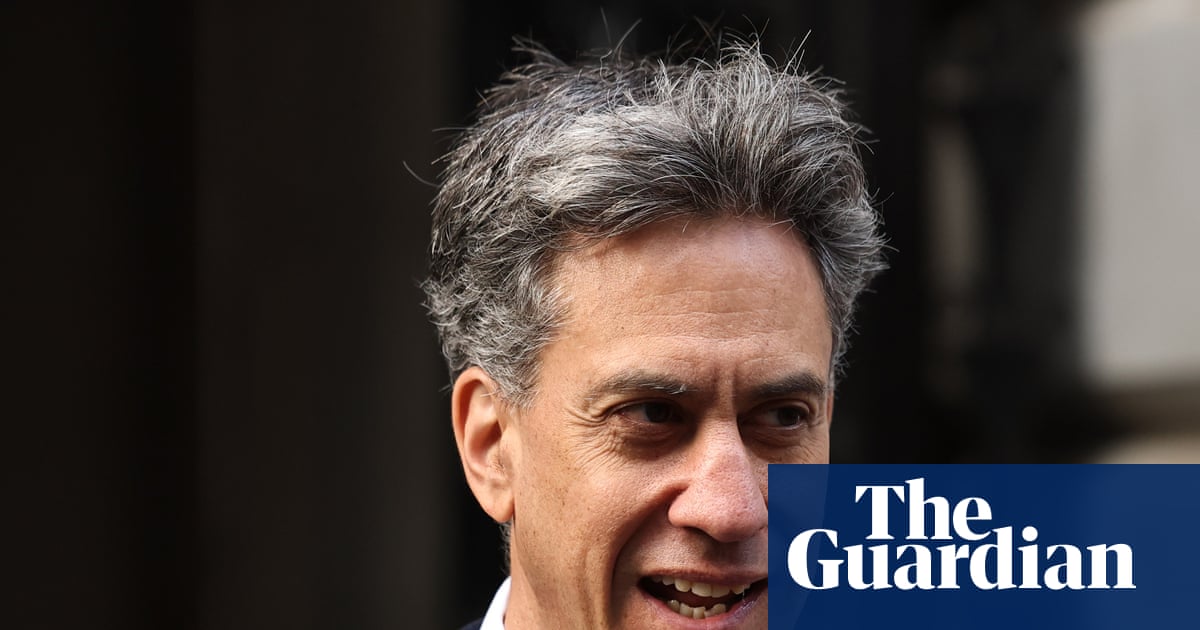
Foreign Secretary Ed Miliband will outline measures to reassert UK support for Palestinian rights and a two-state solution, driven by concerns over expanding settlement activity. This move, while not a full boycott of Israeli goods, aims to protect the viability of a future Palestinian state, despite threats of US reprisals.
Imagine two neighbors, Israel and Palestine, who are trying to share a garden. Some people from Israel are building new houses in parts of the garden that everyone agreed should be for Palestine. The UK government, led by a person named Ed Miliband, is saying this isn't fair and wants to stop buying things from those new houses. This makes some people in the US and Israel upset, saying it could cause problems for the UK, like making it harder for British companies to sell toys or clothes in some American states.
Analysis
The United Kingdom's impending policy shift regarding Israel marks a notable departure from its traditional diplomatic approach, signaling a more assertive stance on the Israeli-Palestinian conflict. Foreign Secretary Ed Miliband's announcement of a ban on trade in goods and services from illegal Israeli settlements is framed as a crucial step to safeguard the two-state solution, which the UK believes is being undermined by expanding settlement activity in the West Bank. This move is intended to uphold international law and protect Palestinian rights, reflecting a growing concern within the UK government about the humanitarian situation in Gaza and the long-term prospects for peace.
Ed Miliband
Foreign Secretary Ed Miliband is spearheading this policy reset, aiming to use firmer language and take more active steps than his predecessors. His statement to MPs is expected to emphasize the humanitarian injustices faced by Palestinians in Gaza, although it is not anticipated to include sanctions over aid restrictions or describe events in Gaza as genocide. Miliband's approach is rooted in upholding international law, referencing the findings of the international criminal court and the international court of justice (ICJ), bodies that have faced criticism from the US. While the package may not meet all demands from Palestinian advocacy groups, it signifies a clear intent to move beyond rhetorical support for a two-state solution.
US Reprisals
The UK's proposed policy has already triggered strong condemnation from both the United States and Israel, with threats of significant repercussions. US President Donald Trump reportedly discussed the matter with UK Prime Minister Andy Burnham, though details remain scarce beyond a shared commitment to a two-state solution. More explicitly, former US ambassador to Israel, Mike Huckabee, warned of potential US reprisals, including economic sanctions. He specifically cited a law in Florida that could prevent British businesses from operating within the state if the UK proceeds with the trade ban, indicating a tangible economic threat to UK commercial interests in the US.
Public Opinion
Despite the international criticism, the UK government's decision appears to align with domestic public sentiment. Recent polling conducted by Opinium for the European Council on Foreign Relations indicates substantial support among Britons for banning trade with illegal Israeli settlements. The survey revealed that 46% of UK adults favor such a ban, compared to only 18% who oppose it. This strong public backing, which rises to nearly three-quarters when undecided voters are excluded, suggests that the government's tougher stance resonates with a significant portion of the electorate across the political spectrum, potentially providing a domestic mandate for this foreign policy shift.
Key points
- The UK will impose a ban on trade in goods and services from illegal Israeli settlements.
- Foreign Secretary Ed Miliband aims to reassert support for Palestinian rights and a two-state solution.
- The policy has drawn fierce criticism and threats of reprisals from the US and Israel.
- UK Prime Minister Andy Burnham discussed the plans with US President Donald Trump and Gulf allies.
- Polling indicates strong public support in the UK for banning trade with Israeli settlements.
The UK's decisive action could strengthen the international legal framework against illegal settlements, potentially encouraging other nations to adopt similar measures. This unified pressure might compel Israel to halt settlement expansion, thereby preserving the viability of a two-state solution and fostering a more stable peace in the Middle East.
The policy risks significant economic retaliation from the US, as warned by Mike Huckabee, potentially damaging UK businesses and trade relations with a key ally. Furthermore, it could strain diplomatic ties with Israel, leading to increased isolation for the UK on this contentious issue and potentially complicating future peace efforts.