UK to require ID or face scan before you can make social media accounts
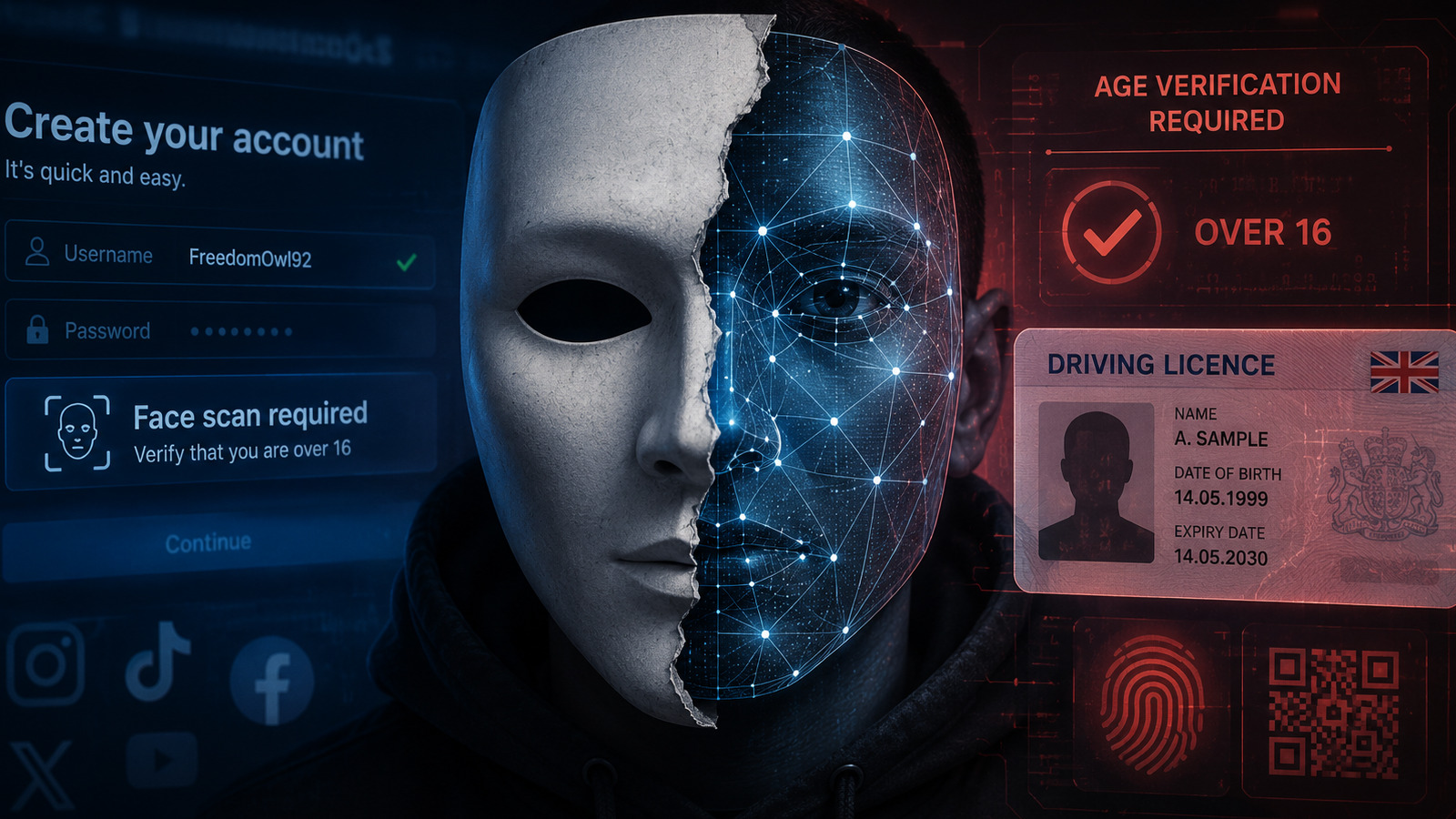
The UK government will ban under-16s from social media and require age checks for new accounts. Users will need to upload an ID or pass a facial age scan to create a new account.
Intelligence analysis by Llama 3.3 70B
The UK is introducing new regulations to protect children online, including a ban on under-16s using social media and age checks for new accounts.
The UK government wants to keep kids safe online, so they're making a new rule that says you have to be 16 or older to use social media. To make sure people are telling the truth about their age, they'll need to show a special ID or take a special picture of their face.
Analysis
Introduction to Age Checks
The UK government's decision to introduce age checks for social media accounts is a significant move in the realm of online safety. By requiring users to upload an ID or pass a facial age scan, the government aims to prevent under-16s from accessing social media platforms. This move is part of a broader effort to protect children online, with the government citing concerns about the impact of social media on young people's mental health and wellbeing. According to the government, nine in ten parents backed an under-16 ban, and two-thirds of young people agreed that under-16s should be kept off at least some platforms.
The Mechanics of Age Checks
The age checks will be enforced through a combination of measures, including uploading an ID or passing a facial age scan. This is the same approach used for adult content sites serving UK visitors, which have been required to implement age checks since July 2025 under the Online Safety Act. However, security and privacy experts have raised concerns about the effectiveness of these checks, citing the risk of breaches and the potential for users to circumvent the system.
Implications and Challenges
The introduction of age checks for social media accounts raises several implications and challenges. One of the main concerns is the potential for users to find ways to circumvent the system, such as using VPNs to access social media platforms. Additionally, there are concerns about the impact on adults who want to create new social media accounts, as they will be required to upload an ID or pass a facial age scan. The government has attempted to address these concerns by exempting long-standing accounts and introducing a grandfather clause for accounts that have been open for more than 16 years or have a credit card attached. However, the effectiveness of these measures remains to be seen, and the government will need to carefully monitor the implementation of the age checks to ensure they are working as intended.
Key points
- The UK government is introducing age checks for social media accounts
- Users will need to upload an ID or pass a facial age scan to create a new account
- The move is part of a broader effort to protect children online
The introduction of age checks for social media accounts could lead to a safer online environment for children, with fewer instances of cyberbullying and online harassment. Additionally, the move could encourage social media companies to take a more proactive approach to protecting their users.
The age checks may not be effective in preventing under-16s from accessing social media, as users may find ways to circumvent the system. Additionally, the move could lead to increased surveillance and data collection, potentially infringing on users' privacy rights.