UK urged not to further weaken EV rules as CO2 impact revealed
Campaigners say watering down UK EV rules again could add 17m tonnes of CO2 by 2030, mostly from more plug-in hybrids.
Intelligence analysis by GPT-5.4 Mini
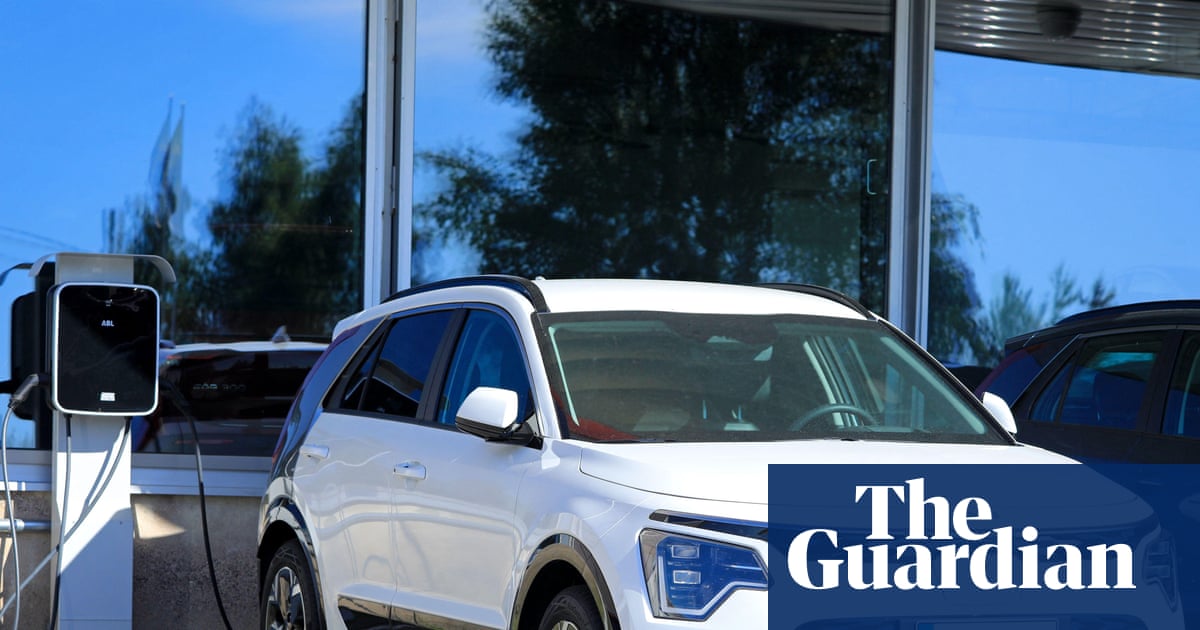
The Guardian reports that changes to the UK’s zero-emission vehicle mandate last year have already encouraged a 48% rise in PHEV sales and could add millions of tonnes of extra CO2. Environmental groups, charging firms and some analysts warn that another rollback would slow the switch away from petrol and diesel.
The UK set rules to make carmakers sell more electric cars. Some people want those rules made looser, but critics say that would mean more cars still burn fuel, like leaving the old gas stove on while trying to cook with electricity.
Analysis
What changed
The Guardian says the UK’s zero-emission vehicle mandate, introduced in 2023, was weakened last year when Labour added so-called “flexibilities” that let carmakers sell more petrol-powered cars, including plug-in hybrids. Those changes were meant to give manufacturers more room to meet sales targets.
The emissions concern
According to an industry analysis seen by the paper, the revised rules are expected to add 59 billion extra miles driven using petrol and diesel by 2030 compared with forecasts made before the changes. Using government emissions figures, that would mean about 17 million extra tonnes of direct CO2. The article says the rise is linked mainly to the increased sale of plug-in hybrid electric vehicles, which have grown 48% השנה, while battery electric cars produce zero direct tailpipe emissions.
Industry split
Campaigners and charging companies are urging ministers not to weaken the rules again. Colin Walker of the Energy and Climate Intelligence Unit says another cut could leave drivers with cars that cost more to run than advertised. Vicky Read of ChargeUK argues the charging industry is investing on the assumption that EV adoption will keep rising, so further rollback could damage its business case.
Carmakers, however, are still pushing for a fresh review. The Society of Motor Manufacturers and Traders says the transition needs to be reviewed so ambition matches market realities. New AutoMotive argues the current flexibilities can make the headline electric-sales rate look much higher than the actual share of fully electric cars.
The government says it remains committed to ending sales of new non-zero-emission cars and vans by 2035 and points to record EV registrations in May and more than £7.5bn in investment for market growth and infrastructure.
Key points
- Campaigners say further weakening of EV rules could add 17 million tonnes of CO2 by 2030.
- The article links the risk mainly to a 48% rise in UK plug-in hybrid sales this year.
- An industry analysis says extra petrol and diesel driving could total 59 billion miles by 2030.
- Charging companies warn that more rollback would hurt the business case for new charge points.
- Carmakers say the rules should be reviewed again, while the government says it still aims to phase out new non-zero-emission sales by 2035.
If ministers keep the mandate firm, more drivers may move into fully electric cars instead of plug-in hybrids. That could support charging-network investment and help the UK stay on track for its 2035 sales phaseout goal.
If the rules are weakened again, the article says more PHEVs and petrol cars could stay on the road, adding to emissions. It could also weaken charging companies’ investment case and make the transition to zero-emission vehicles slower and less certain.