Ukraine Planned to Swarm Moscow Airports With AI-Guided Drones
Ukrainian officials proposed a plan to launch AI-enabled drones at Moscow's airports to stop international carriers from flying in and out of the Russian capital. The plan, which has not been previously reported, would mark a milestone in the history of warfare.
Intelligence analysis by Llama
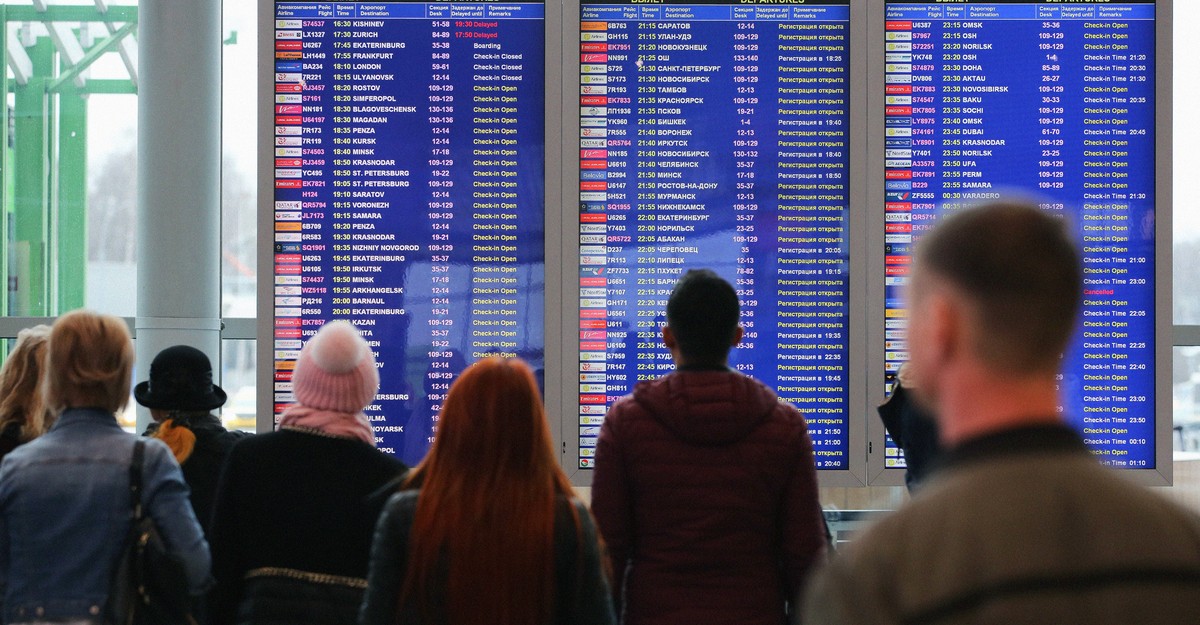
Ukraine planned to launch AI-enabled drones at Moscow's airports to stop international carriers from flying in and out of the Russian capital, marking a milestone in the history of warfare.
Imagine a swarm of tiny drones flying around Moscow's airports, using special computers to find and hit their targets without a human pilot. This is the plan Ukraine had to disrupt Moscow's air travel and put pressure on the Russian government.
Analysis
Ukraine's Desperate Measures: The AI-Drone Plan to Disrupt Moscow's Airports
The recent revelation that Ukraine planned to launch AI-enabled drones at Moscow's airports has sent shockwaves through the international community. This daring plan, which has not been previously reported, would mark a terrifying milestone in the history of warfare. The idea of swarms of autonomous drones equipped with AI guidance systems seeking out and hitting their targets without human control is a chilling prospect.
The plan, which was presented to President Volodymyr Zelensky this winter, would require the deployment of up to 1,000 drones per night to overwhelm Russian air defenses. The operation, code-named 'M&Ms,' would aim to shut down Moscow's airspace to civilian flights for an extended period, forcing international carriers to stop flying in and out of the Russian capital.
The Ukrainian government's motivation for this plan is clear: to put pressure on the Russian government to negotiate a peace deal. By disrupting Moscow's air travel, Ukraine hopes to make life less comfortable for officials, oligarchs, and other wealthy loyalists of President Vladimir Putin. The plan's architects believe that this kind of pressure, combined with other wartime strains on Russia's economy and society, could force Putin to the negotiating table.
However, the plan's legality is highly questionable. The use of autonomous drones in warfare has been vigorously debated as a possible violation of the laws of war. The International Committee of the Red Cross has expressed concerns about the potential for civilian casualties and the lack of transparency in the development and deployment of such systems.
The Ukrainian government's decision to proceed with the plan, despite these concerns, raises important questions about the ethics of warfare in the age of AI. As the use of autonomous systems becomes more widespread, it is essential that we establish clear guidelines and regulations to prevent the misuse of these technologies.
The AI-Drone System: A Game-Changer in Warfare
The AI-drone system at the heart of Ukraine's plan is a sophisticated piece of technology that has the potential to revolutionize modern warfare. By using AI to guide drones, Ukraine hopes to achieve a level of precision and reliability that has previously been unattainable.
The system, which was developed by a team of Ukrainian computer programmers, uses machine learning algorithms to analyze real-time data and make decisions about target selection and engagement. This allows the drones to adapt to changing circumstances and respond to unexpected threats.
The implications of this technology are far-reaching. If successful, the AI-drone system could enable Ukraine to launch precision strikes against Russian targets with unprecedented accuracy and speed. This could have significant consequences for the conflict, potentially leading to a shift in the balance of power in favor of Ukraine.
The Risks and Challenges of the AI-Drone Plan
While the AI-drone plan has the potential to disrupt Moscow's air travel and put pressure on the Russian government, it also poses significant risks and challenges. The use of autonomous drones in warfare raises important questions about the ethics of warfare and the potential for civilian casualties.
Furthermore, the development and deployment of such systems require significant resources and expertise. Ukraine's ability to produce and operate the AI-drone system at scale is uncertain, and the plan's success depends on the availability of these resources.
In conclusion, the AI-drone plan is a complex and multifaceted issue that raises important questions about the ethics of warfare and the potential for civilian casualties. While the plan has the potential to disrupt Moscow's air travel and put pressure on the Russian government, it also poses significant risks and challenges. As the conflict in Ukraine continues to unfold, it is essential that we carefully consider the implications of this technology and establish clear guidelines and regulations to prevent its misuse.
Key points
- Ukraine planned to launch AI-enabled drones at Moscow's airports to stop international carriers from flying in and out of the Russian capital.
- The plan, if executed, would mark a milestone in the history of warfare.
- The AI-drone system uses machine learning algorithms to analyze real-time data and make decisions about target selection and engagement.
- The plan's success depends on the availability of resources and expertise to produce and operate the AI-drone system at scale.
If the AI-drone plan is successful, it could lead to a shift in the balance of power in favor of Ukraine, potentially forcing the Russian government to negotiate a peace deal. This could have significant implications for international relations and the laws of war.
The use of autonomous drones in warfare raises important questions about the ethics of warfare and the potential for civilian casualties. If the AI-drone plan is not executed carefully, it could lead to unintended consequences, including the loss of civilian lives.