Ukraine strikes Siberia refinery as Kazakh leader tells Putin war should end
Ukrainian drones struck a Siberian oil refinery and disrupted a Russian athletics event, while Kazakhstan's president publicly told Vladimir Putin the Ukraine war should end during a summit in Omsk.
Intelligence analysis by Llama
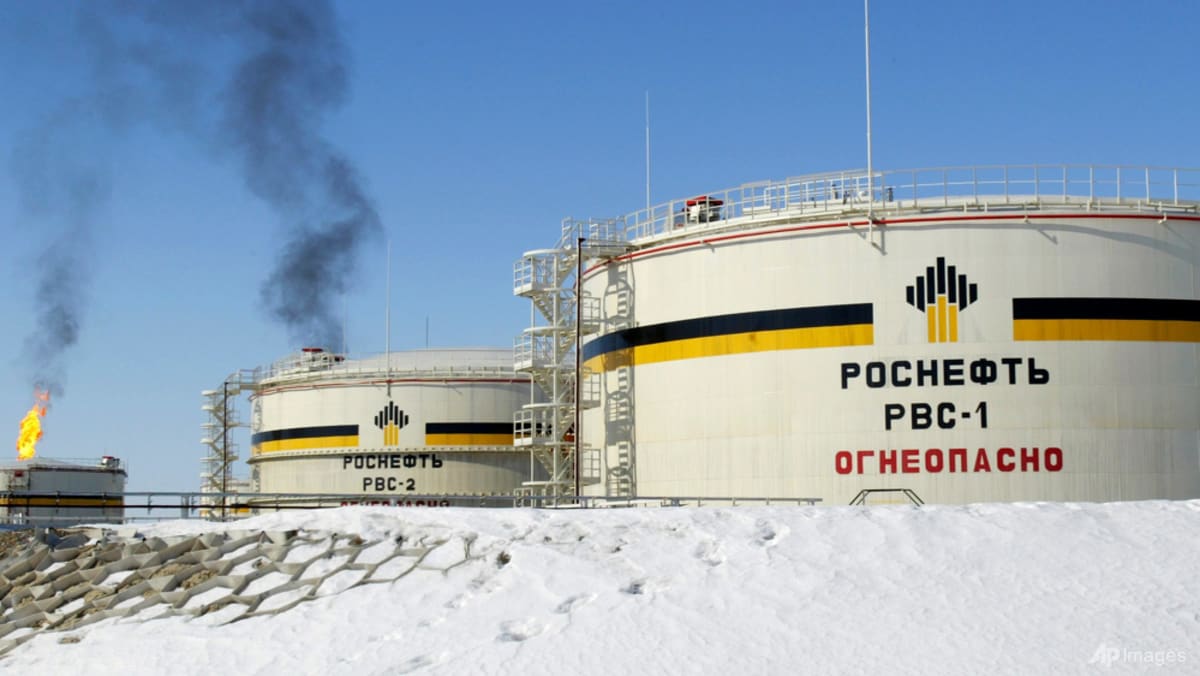
Ukraine intensified long-range strikes on Russian territory, hitting a Tyumen oil refinery, as Kazakh President Tokayev broke the diplomatic silence by telling Putin the conflict must be 'frozen' and that 'young people are dying.' Both sides reported civilian casualties, underscoring a grinding war with stalled US-led peace talks.
Imagine two kids on a playground who keep poking each other from farther and farther away. Ukraine just threw a paper airplane that landed all the way across the room in Siberia, while a friend of the bigger kid quietly said 'maybe you should both stop now.' The playground fight is getting bigger and reaching more places, which worries everyone watching.
Analysis
A Siberian Strike and a Symbolic Rebuke
Ukraine's drone campaign reached further into Russia than at any recent point, with a strike setting a refinery in the Tyumen region ablaze and a separate attack on a military factory in the Kirov region. Kyiv's stated logic is straightforward: damage Moscow's war machine and force the Kremlin back to the negotiating table. The geographic spread of these strikes — from the Azov Sea to the Urals and deep into Siberia — is itself a message. A halted all-Russian athletics competition in Yekaterinburg, suspended because of drone threats, underscored how the war's reach now disrupts everyday life far from the front lines. Russian-installed authorities in occupied Ukraine reported 12 dead, including four children, in a strike on the seaside town of Kyrylivka, though Kyiv had not commented at the time of writing. These competing casualty claims illustrate the fog of war and the difficulty of verifying figures in real time.
Tokayev Breaks the Diplomatic Mold
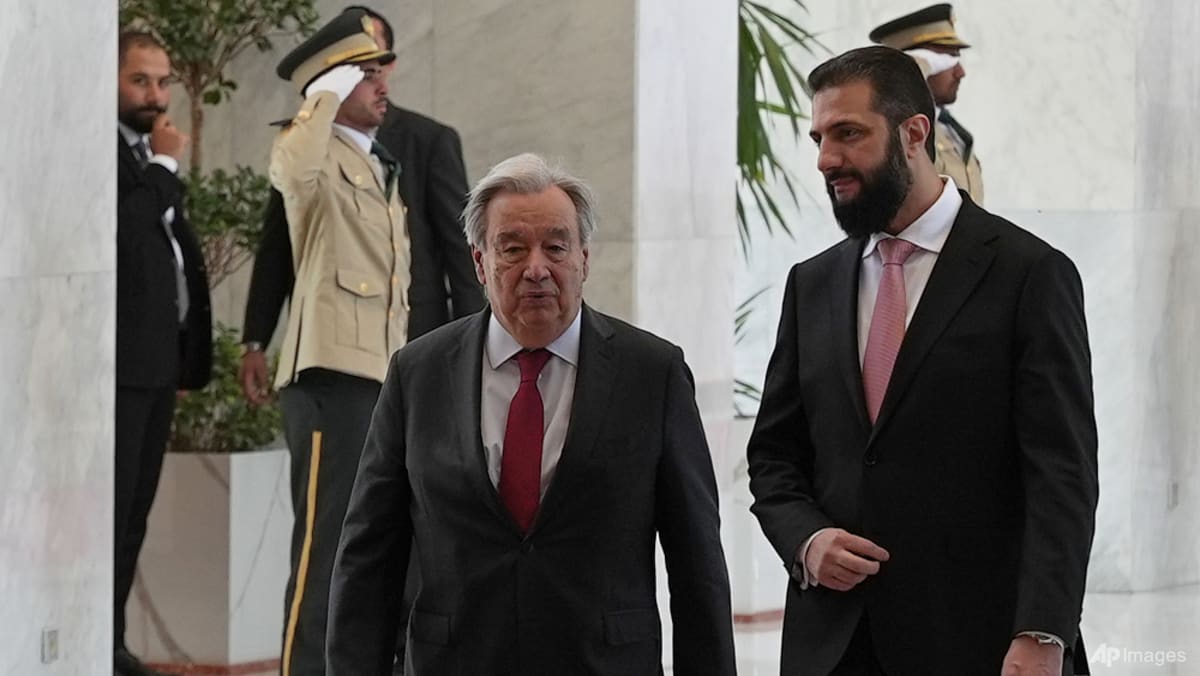
Hours after the strikes, Kazakh President Kassym-Jomart Tokayev sat beside Putin at a Russia-Kazakhstan summit in Omsk and said, in televised comments, that 'young people are dying' and that 'all this has to be stopped.' The remarks are striking because Putin is rarely confronted with officials publicly urging an end to the fighting. Tokayev, a Moscow ally who has never endorsed Russia's offensive, called for the conflict to be 'frozen' and suggested a return to the Istanbul talks as a step toward 'long-awaited peace.' His framing of the war's roots as 'not understandable' marks one of the more pointed public rebukes from a Central Asian leader. Putin's response — that he would share 'the details' of the war — neither accepted nor rejected the overture, leaving the diplomatic opening ambiguous.
The Stalled Path to Peace and the Energy Knock-On
The backdrop to these events is a grinding conflict now approaching four and a half years, with the UN warning of rising civilian casualties. US-led efforts to broker an end to the fighting have stalled, and the Kremlin has stated it intends to seize the rest of eastern Ukraine by force. Moscow claimed Ukraine launched more than 300 drones into Russia on Saturday, including strikes on 'far-flung regions.' For energy markets, the targeting of a Tyumen oil refinery — one of the production heartlands feeding the Urals crude blend — raises the prospect of sustained pressure on Russian export volumes. Combined with Ukrainian strikes on Azov Sea shipping, the weekend's events point to a widening battlefield that could keep risk premia elevated in crude and refined-product markets, with downstream effects for Asian importers including Singapore.
Key points
- Ukrainian drones struck a refinery in Siberia's Tyumen region, setting it ablaze, and hit a military factory in the Kirov region for a second day.
- Kazakh President Tokayev publicly told Putin at a summit in Omsk that the war should end and be 'frozen', a rare rebuke from a Moscow ally.
- Russian-installed authorities said 12 people, including four children, died in a Ukrainian strike on a seaside town in occupied Zaporizhzhia; Kyiv had not commented at time of writing.
- Russia claimed Ukraine launched more than 300 drones into Russian territory, while an all-Russian athletics event in Yekaterinburg was halted over drone threats.
- US-led peace talks have stalled and the Kremlin says it intends to seize the rest of eastern Ukraine by force.
Tokayev's public call for the war to be 'frozen' and a return to Istanbul talks introduces a rare diplomatic opening from a Central Asian leader who is normally a quiet Moscow ally. If the Kremlin reads the warning as a sign of erosion in its regional support network, it could create the conditions for renewed negotiations, especially as US-led efforts continue to seek an off-ramp.
The Kremlin has publicly stated it intends to seize the rest of eastern Ukraine by force, and Putin's noncommittal response to Tokayev suggests no near-term shift in posture. With both sides escalating long-range strikes — Russia launching more than 300 drones and Ukraine hitting refineries deep in Siberia — the war's expanding geography raises the risk of further civilian casualties and disruption to Russian energy infrastructure, keeping global crude markets volatile.
Market signals
- OIL A strike on a Tyumen refinery and Ukraine's wider campaign against Russian energy infrastructure raise supply risk premia for Urals crude, per the article's reporting.
AI-generated analysis of potential market relevance. Not financial advice.