Ukraine War: EU Vows to Increase Pressure on Russia
EU Council President António Costa visited Kyiv for Ukraine's national holiday, pledging continued support and warning of new sanctions against Moscow until it ends the war and returns to negotiations.
Intelligence analysis by Llama
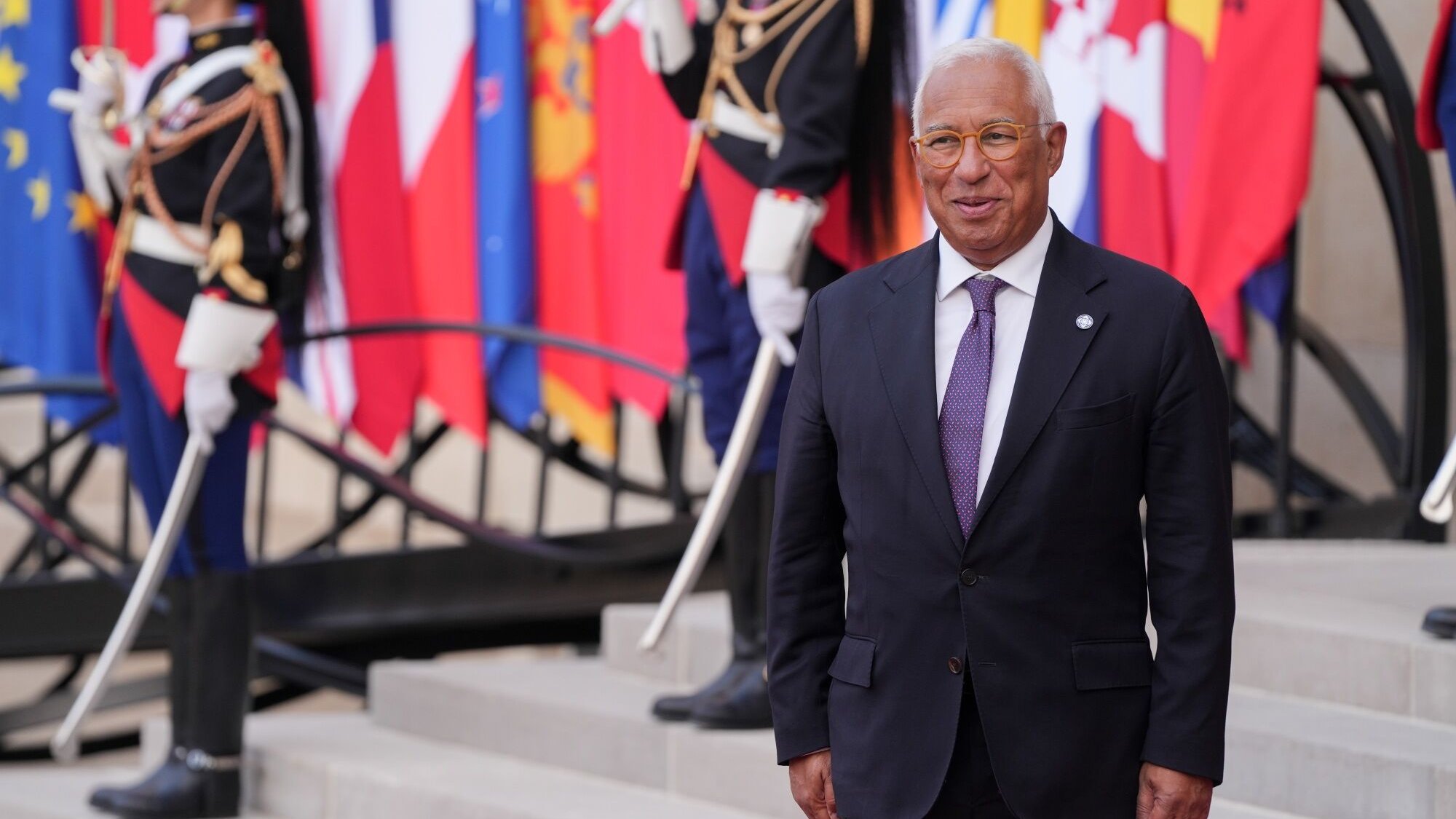
EU Council President António Costa traveled to Kyiv for Ukraine's national holiday, reaffirming more than €220 billion in bloc-level support and threatening fresh sanctions. The pledge came alongside British, Norwegian, and Finnish announcements of new military aid and co-production deals.
The European Union's top leader flew to Ukraine's capital to say, 'We will keep helping you,' and warned Russia that more punishments are coming if the war doesn't stop. Friends like Britain, Norway, and Denmark are also sending more weapons and money so Ukraine can defend itself better.
Analysis
António Costa's Kyiv Mission
The European Council president arrived in Kyiv on August 23, 2026 — Ukraine's national holiday — to deliver what was framed as both a reassurance and a warning. According to Costa, the EU has "mobilized" more than €220 billion over the past four-and-a-half years of war, an unprecedented figure that he used to anchor his argument that Brussels intends to remain a financial backstop for Kyiv. The political signal matters: by attending the festivities personally, Costa elevated the trip from a routine statement to a demonstration of solidarity at a moment when Western publics have grown visibly weary. Costa also tied the Ukrainian cause to the EU's own institutional future, calling Kyiv's accession path "the best guarantee for security and long-term democratic stability for Ukraine and for Europe as a whole" — language designed to give President Volodymyr Zelenskyy something tangible to show domestic audiences while the war grinds on.
The €220 Billion Mobilization
The €220 billion figure is the most concrete number to emerge from Costa's visit, and it functions as both a record of past effort and a baseline for future commitments. For a country of roughly 36 million people facing an invasion by a nuclear-armed neighbor, that sum — which spans military, financial, and humanitarian aid — represents a level of external backing few modern conflicts have attracted. Costa also used the backdrop to argue that sanctions are working, noting that "this summer" the war is "more clearly than ever" depleting Russia's resources. That framing does double duty: it justifies the cost European taxpayers have absorbed, and it pressures fence-sitters to maintain or expand their contributions rather than pull back, especially as winter approaches and Russian strikes on energy infrastructure tend to intensify.
Scalp Cruise Missile Production
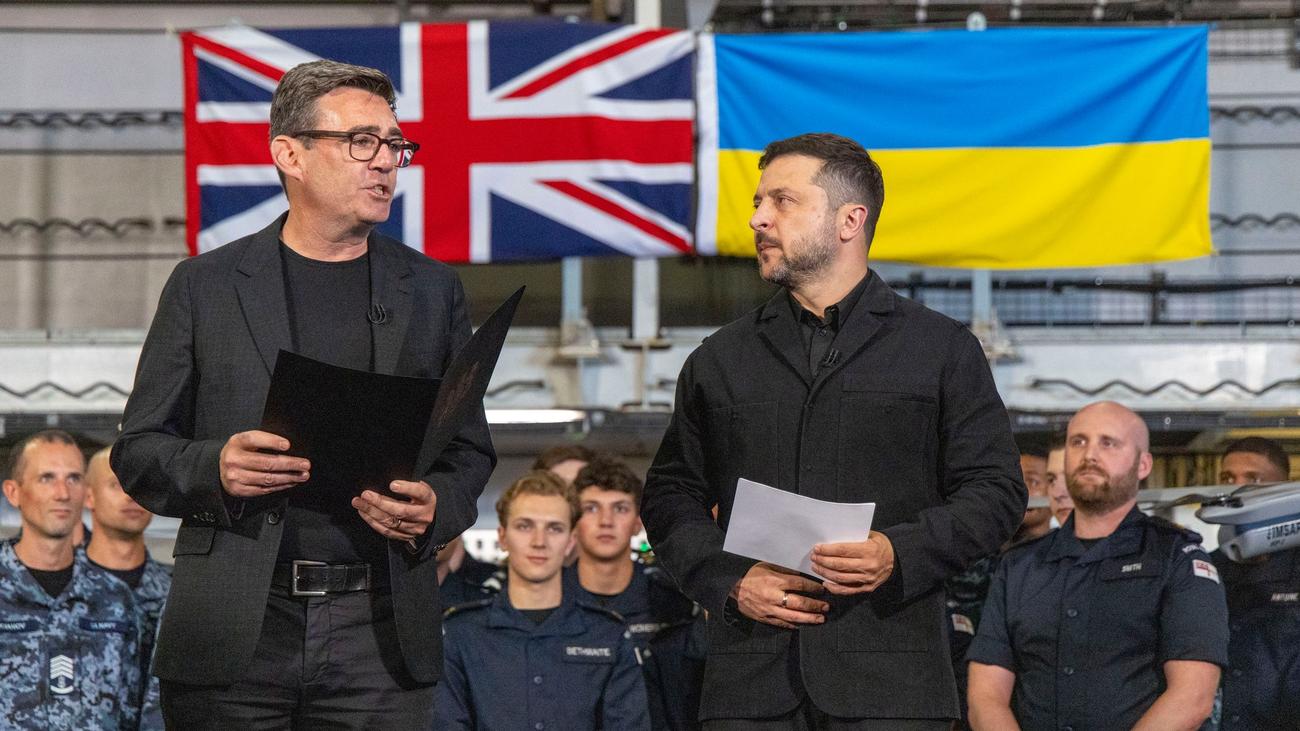
The same day Costa spoke in Kyiv, British Prime Minister Andy Burnham announced from London that the UK would allow European missile-maker MBDA to share classified information about British components in the Scalp cruise missile with France and Ukraine. The move is intended to help Kyiv stand up local production lines for the weapon, which has been one of Ukraine's most effective long-range strike assets against Russian logistics and command nodes. In parallel, Norway pledged 85 billion kroner (about $9.2 billion) for 2027, matching its 2026 envelope, while Finland and Ukraine agreed to cooperate on unmanned systems including a joint venture for unmanned surface vessels. The cumulative effect is a quiet shift in European support: from donations of finished weapons to co-production on Ukrainian soil, which could shorten supply chains, reduce political friction over depleted stockpiles, and bind Ukraine's defense industry more tightly into NATO-standard supply networks.
Key points
- EU Council President António Costa visited Kyiv for Ukraine's national holiday on August 23, 2026
- Costa said the EU has mobilized more than €220 billion in support over the past four and a half years of war
- Costa threatened new sanctions against Russia, saying pressure will increase until Moscow negotiates seriously
- UK Prime Minister Andy Burnham announced support for Ukrainian production of Scalp cruise missiles via MBDA
- Norway pledged 85 billion kroner (about $9.2 billion) for 2027, matching its 2026 envelope
- Danish PM Mette Frederiksen said more Patriot air-defense systems could be sent to Ukraine
If sustained Western support continues, Ukraine's long-range strike and air-defense capabilities could grow meaningfully, putting sustained pressure on Russian logistics and possibly forcing Moscow toward negotiations. Co-production arrangements such as the UK-backed Scalp effort and the Finnish-Ukrainian unmanned-systems venture would also deepen Ukraine's integration into European defense supply chains over time.
The continuing pattern of escalation — Russian strikes on Kharkiv, drone attacks on Russian territory, and Ukrainian strikes on Russian energy infrastructure — risks a cycle of tit-for-tat that drains European stockpiles without producing a breakthrough. Heavy reliance on the political will of individual Western capitals makes the aid flow vulnerable to domestic political shifts and elections across Europe.
Market signals
- OIL Continued conflict, fresh EU sanctions threats, and Russian strikes on Ukrainian energy infrastructure all support upside risk for crude prices.
- XAU Renewed EU-Russia confrontation and unresolved war keep geopolitical risk premium elevated, supporting safe-haven demand for gold.
AI-generated analysis of potential market relevance. Not financial advice.