Ukraine's attack on an Iranian ship in the Caspian: A message to Tehran, Moscow, or Washington?
Iran's foreign minister says Ukraine assured him a strike on an Iranian ship in the Caspian Sea was unintentional, while Tehran insists the action will not go unanswered. Ukraine claims the vessel was part of Iran-Russia military logistics.
Intelligence analysis by Llama
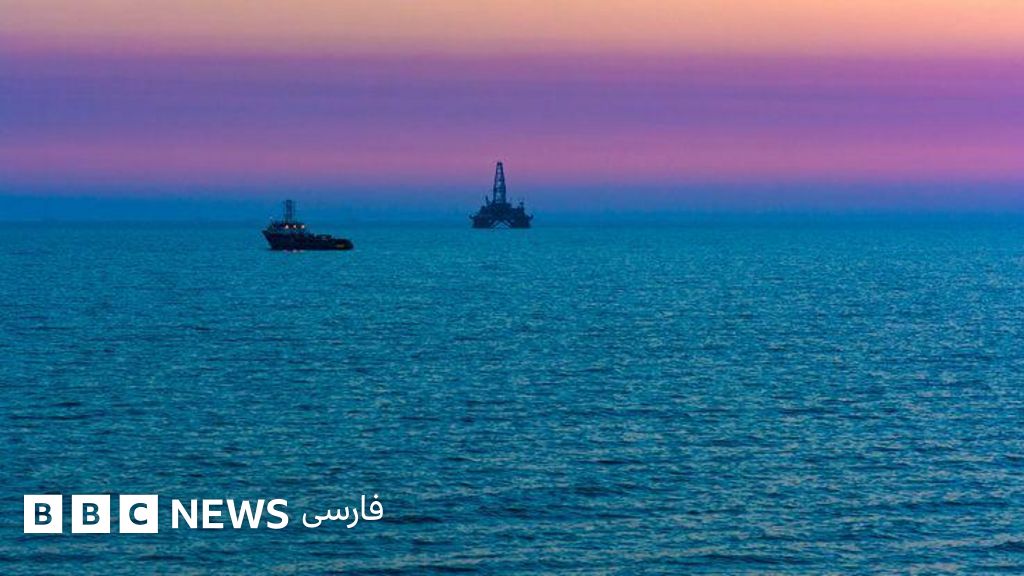
Ukraine struck an Iranian vessel in the Caspian Sea, prompting urgent diplomacy. Tehran and Kyiv both claim they want to avoid escalation, but Iran warns of consequences. Analysts debate whether the strike signaled Tehran, Moscow, or Washington.
Imagine two friends who aren't really getting along. Ukraine punched one of Iran's boats in a big lake while looking for things going to Russia. Both sides now say they don't want a bigger fight, but Iran says it won't forget it, and people are guessing who the punch was really meant for.
Analysis
A New Front Opens on the Caspian
Ukraine's strike on an Iranian-flagged vessel in the Caspian Sea marks a geographic expansion of the war that few analysts had anticipated. The Caspian has functioned for years as a quiet logistics corridor between Iran and Russia, used in part to circumvent sanctions and to move drone components and other military supplies. By hitting a ship in this inland sea, Kyiv has effectively widened the geography of the conflict and signaled that no route linked to the Russian war effort is beyond reach. The strike also carries symbolic weight: the Caspian is bordered by five states, including Iran and Russia, and any military action there requires a degree of operational confidence that suggests deliberate planning rather than opportunistic targeting.
The Military Logic Question
What makes the strike puzzling is that, on pure military grounds, the target may have been less than decisive. Researcher Nikita Smagin, interviewed by BBC Persian, argues that Russia has localized roughly 90 percent of the Iranian drone technology it received in 2022 and can now produce such systems domestically. If that assessment is correct, disrupting a single cargo vessel offers limited tactical value, since Iran's contribution to Russia's drone fleet has already been absorbed and copied. That gap between military logic and political signaling is the puzzle the article puts at the center of the story, raising the possibility that the strike was chosen for what it communicates rather than what it destroys.
Reading the Signal: Trump, NATO, or Tehran?
Analysts quoted in the piece offer competing readings of the intended audience. Hamidreza Azizi, an Iran-Russia relations specialist, suggests that President Zelensky may have wanted to showcase Ukrainian capability and resolve to the Trump administration at a moment when European allies have been reluctant to take direct military action against Iran. Yulia Rekhnifard of Taylor's University Malaysia echoes this, framing the operation as an attempt to demonstrate Ukraine's strategic value to Washington and European capitals. Iran, for its part, rejects Ukraine's claim that the ship was carrying military cargo, insists the vessel was commercial, and has warned that the strike will not go unanswered. No public evidence has emerged of US, Israeli, or NATO involvement in planning or execution, but the very absence of a denial leaves room for speculation. The coming days will likely test whether Tehran treats the strike as a one-off incident, as Araghchi's read-out suggests, or as the opening move in a wider confrontation with Kyiv and its backers.
Key points
- Iranian Foreign Minister Araghchi says Ukraine's foreign minister assured him the strike on the Iranian ship was unintentional and that Kyiv does not seek escalation.
- Ukraine claims the vessel was involved in military logistics between Iran and Russia; Iran disputes this and calls it a commercial ship.
- Iranian officials have warned that the attack will not go unanswered, despite the de-escalatory tone of the Araghchi-Sybiha call.
- Russian-affairs researcher Nikita Smagin argues the target is hard to justify on purely military grounds, since Russia has largely localized Iranian drone production.
- Analysts suggest the strike may have been intended to signal to Washington, demonstrating Ukrainian capability to the Trump administration at a sensitive diplomatic moment.
If both sides hold to the diplomatic line, the incident can be contained as a limited, unintentional strike. Iran's public statement through Foreign Minister Araghchi suggests a preference for de-escalation, and Ukraine's confirmed read-out with Kyiv reinforces that posture, opening space for compensation talks and a quiet return to routine Caspian shipping.
Iranian officials have warned the strike will not go unanswered, and if Tehran concludes the attack was deliberate, it could retaliate against shipping linked to Ukraine's backers or harden its military support for Russia. Even short of retaliation, the episode deepens Iranian distrust of Western-aligned actors and complicates any future nuclear or sanctions diplomacy.