Ukrainian drone strikes kill 2 in Russia, hit another Wildberries warehouse
Ukrainian drone strikes killed at least two people in Russian regions along the Volga River and targeted a warehouse belonging to Wildberries, Russia’s largest online retailer, as Kyiv escalates attacks on economic targets.
Intelligence analysis by Gemini 2.5 Flash
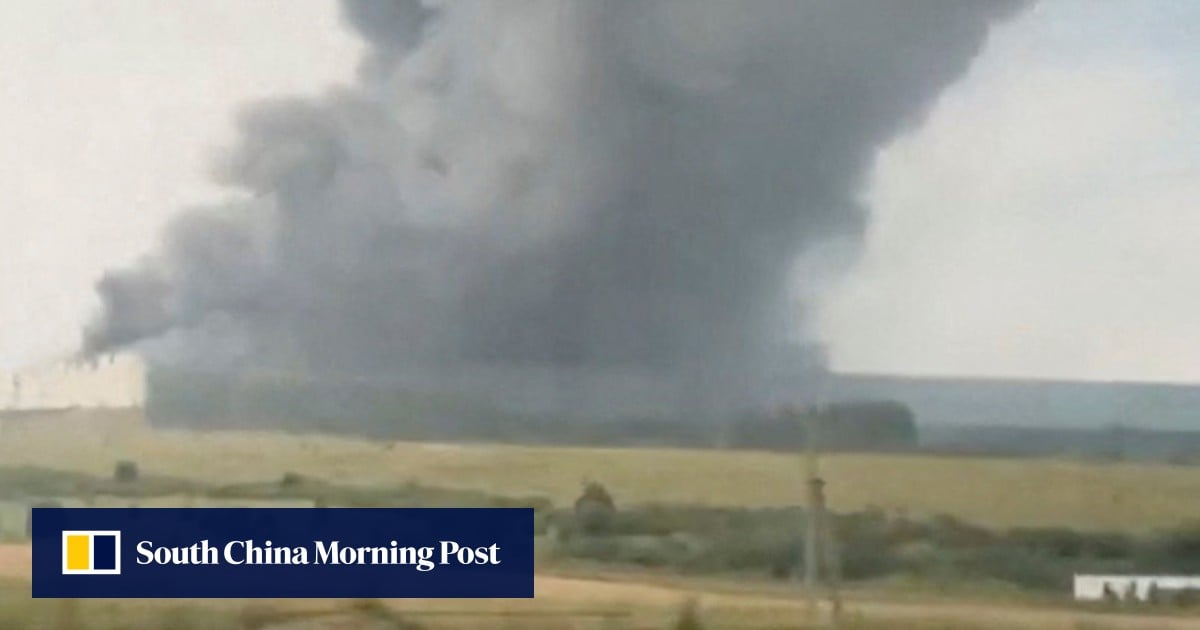
Ukraine has intensified its drone attacks deep inside Russia, aiming at economic and energy infrastructure to undermine Moscow's war efforts. Recent strikes included a major Wildberries warehouse, marking a continued strategy to disrupt Russia's consumer economy, which Kyiv views as a linchpin supporting the conflict.
Imagine a big online shop where people in Russia buy almost everything, like their version of Amazon. Now, imagine tiny flying robots, called drones, from Ukraine are trying to hit the warehouses where all those packages are kept. This is happening because Ukraine wants to make it harder for Russia to keep fighting a war, by messing with their economy and making it tough for people to get their stuff. Sadly, sometimes these drones also hurt people.
Analysis
Escalation of Economic Warfare
Ukrainian forces have demonstrably intensified their drone operations, striking deeper into Russian territory, as evidenced by the recent attacks along the Volga River. This strategy signifies a clear shift towards targeting Russia's economic and energy infrastructure, moving beyond purely military objectives. The sheer volume of drones reported downed by Russia's Defence Ministry—635 in a single night—underscores the scale of these operations, even if not all reach their intended targets. This sustained pressure aims to create domestic instability and strain Russia's resources, directly impacting its capacity to sustain the ongoing conflict in Ukraine.
These strikes represent a calculated effort by Kyiv to broaden the scope of the conflict beyond the front lines, bringing the economic consequences of the war directly to the Russian populace. By targeting vital economic assets, Ukraine seeks to impose a cost on Russia that extends beyond military casualties and equipment losses. This approach is designed to erode public support for the war and complicate Moscow's ability to fund and supply its military operations, forcing a reallocation of resources towards defense and reconstruction within its own borders.
Wildberries: A Symbol of Russian Consumer Resilience
The targeting of a Wildberries warehouse is particularly symbolic. Wildberries, often dubbed 'Russia's Amazon,' is the country's largest online retailer and a critical component of its consumer economy. Attacks on such a prominent civilian economic entity highlight Ukraine's intent to disrupt daily life and commerce, aiming to undermine the perception of stability that the Russian government seeks to project. Since July 18, Ukrainian forces have reportedly attacked about a dozen Wildberries sites, indicating a deliberate and sustained campaign against the company.
This focus on Wildberries suggests that Ukraine views the company not just as a commercial enterprise, but as a strategic asset that contributes to Russia's economic resilience under sanctions. By disrupting its logistics and operations, Kyiv hopes to create supply chain issues, inflate prices, and generally make it harder for ordinary Russians to access goods, thereby increasing domestic discontent. The economic impact of such disruptions, while not immediately catastrophic, can accumulate over time, adding significant pressure to an economy already grappling with international isolation.
Broader Implications for Russia's War Economy
The drone strikes, particularly those causing casualties and hitting key economic infrastructure, underscore the evolving nature of the Ukraine war. Russia's ability to protect its vast territory from these increasingly sophisticated and far-reaching attacks is being tested. While the immediate military impact of destroying a warehouse might be limited, the cumulative effect on logistics, insurance costs, and investor confidence could be substantial. This strategy forces Russia to divert resources from offensive operations to enhance air defense systems and secure critical civilian infrastructure across its expansive landmass.
Furthermore, these attacks could exacerbate inflationary pressures and supply chain vulnerabilities within Russia, potentially leading to a decline in living standards and increased public dissatisfaction. For international observers, including China, these developments offer insights into the long-term sustainability of Russia's war effort and the effectiveness of Ukraine's asymmetric warfare tactics. The targeting of civilian economic assets also raises questions about the rules of engagement and the potential for further escalation, with broader implications for regional stability and global trade dynamics.
Key points
- Ukrainian drone strikes killed at least two people in Russian regions along the Volga River.
- Targets included a warehouse belonging to Wildberries, Russia’s largest online retailer.
- Russia's Defence Ministry claimed to have downed 635 Ukrainian drones during the night.
- Kyiv has attacked about a dozen Wildberries sites since July 18, aiming to disrupt Russia's consumer economy.
- Ukraine is striking deeper into Russia to undermine Moscow's ability to wage war by targeting economic and energy assets.
The continued targeting of civilian economic infrastructure by drones risks further escalation of the conflict, potentially leading to increased civilian casualties and a broader destabilization of the region. Such attacks could also provoke retaliatory actions from Russia, intensifying the cycle of violence and making a peaceful resolution even more distant.