Ukrainian strikes kill six in Russia, officials say
Ukrainian missile strikes killed six people and injured four, including a child, in Russia's Belgorod region overnight. This comes amidst intensified cross-border attacks by both Russia and Ukraine, resulting in multiple casualties and damage to infrastructure.
Intelligence analysis by Gemini 2.5 Flash
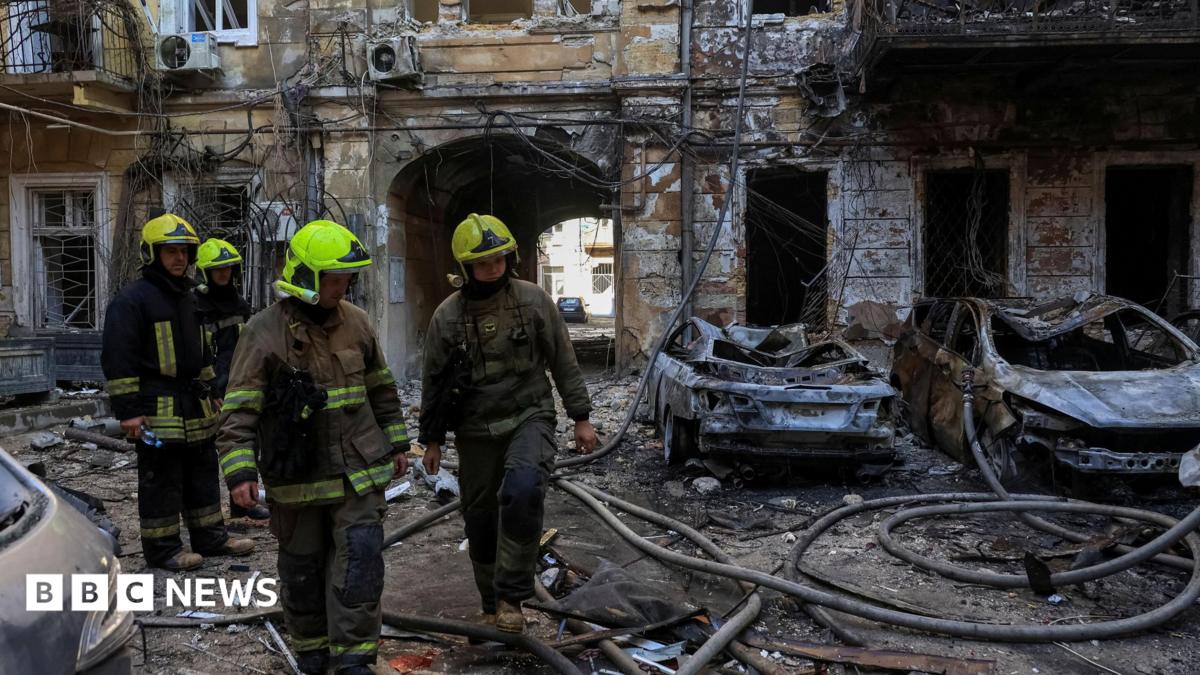
The conflict between Russia and Ukraine continues to escalate with both sides launching significant overnight attacks. Ukrainian strikes reportedly killed six in Russia's Belgorod region, while Russian drone attacks killed two in Ukraine's Sumy region and damaged a civilian vessel in Odesa. These incidents follow what Russia described as its "largest-scale" attack by Ukraine this year…
Imagine two neighbors, Ukraine and Russia, are having a big fight. Lately, they've been throwing things over the fence at each other's houses more often and harder. Ukraine just hit Russia's side, killing six people and hurting a child. Russia also hit Ukraine's side, killing two people and damaging a ship. It's like a dangerous game of dodgeball where both sides are getting hurt, and it's getting more intense.
Analysis
The article details a significant escalation in the ongoing conflict between Ukraine and Russia, marked by intensified cross-border attacks from both sides. Ukrainian missile strikes reportedly killed six people and injured four, including a 14-year-old child, in Russia's Belgorod region. This incident occurred overnight, following what Russian officials described as the "largest-scale" attack launched by Ukraine this year, which had already resulted in at least seven deaths. The strikes in Belgorod burned a building and damaged a car in Koloskovo, a village close to the border. Separately, a woman was killed in Russia's Astrakhan region after a drone strike hit a home, though the intended industrial facility was reportedly undamaged. These actions underscore Ukraine's increasing capability and willingness to target Russian territory, moving beyond the immediate front lines and demonstrating a strategic shift in its defensive operations. The continuous exchange of fire highlights the persistent and brutal nature of the conflict, with civilian populations bearing a heavy toll.
Belgorod Region
The Belgorod region, situated close to Russia's border with Ukraine, has become a frequent target in the escalating conflict. The latest Ukrainian missile strikes resulted in six fatalities and four injuries, including a 14-year-old child, as reported by acting governor Alexander Shuvaev. The village of Koloskovo in the Valuysky district specifically saw a building burned and a car damaged. This area's proximity to the front lines makes it particularly vulnerable to cross-border attacks, reflecting Ukraine's strategy to create pressure points within Russian territory. The repeated targeting of Belgorod underscores the broadening geographical scope of the conflict, moving beyond the occupied Ukrainian territories and into Russia proper, which carries significant implications for regional stability and civilian safety. The humanitarian impact of these strikes, particularly on vulnerable populations like children, remains a critical concern.
Wildberries Logistics Centers
A notable aspect of Ukraine's recent offensive strategy involves targeting Russian economic infrastructure, specifically the online retail giant Wildberries. During the strikes on Saturday night, a warehouse belonging to Wildberries was hit. This is not an isolated incident; Ukraine's defence ministry has claimed that seven out of ten of the largest Wildberries logistics centers have been "disabled" since July. Wildberries, often referred to as Russia's equivalent of Amazon, plays a crucial role in the country's domestic supply chain and consumer economy. By targeting such facilities, Ukraine aims to disrupt Russia's economic stability and logistical capabilities, thereby exerting pressure on the Kremlin and potentially impacting public morale. This strategic targeting signifies an attempt to broaden the impact of the conflict beyond military engagements, directly affecting Russia's internal economic operations.
President Volodymyr Zelensky
The scale and intensity of Russian aggression against Ukraine have been starkly outlined by Ukrainian President Volodymyr Zelensky. He reported that 13 regions of Ukraine had come under attack within the past week, enduring a barrage of over 1,550 attack drones, nearly 1,560 guided aerial bombs, and 62 missiles. This extensive assault highlights Russia's sustained and widespread efforts to degrade Ukrainian infrastructure and military capabilities. Concurrently, Russia claimed its attacks on Kyiv on Saturday night targeted a FirePoint facility producing parts for Ukrainian Flamingo missiles and a factory making drone components, indicating a focus on military-industrial targets. The mutual accusations of targeting civilians by both sides underscore the tragic reality of this war, where the distinction between military and civilian objectives often blurs, leading to immense human suffering and destruction across the conflict zone. The relentless nature of these attacks suggests a protracted and brutal phase of the war.
Key points
- Six people were killed and four injured, including a 14-year-old, in Ukrainian missile strikes on Russia's Belgorod region.
- Two people were killed in Russian drone strikes on Ukraine's Sumy region, and a civilian vessel was damaged in Odesa.
- These strikes follow what Russia called Ukraine's "largest-scale" attack this year, which killed at least seven people.
- Ukraine has repeatedly targeted Wildberries logistics centers, aiming to disrupt Russia's domestic economy.
- Ukrainian President Volodymyr Zelensky reported that Russia launched over 1,550 drones, 1,560 guided aerial bombs, and 62 missiles across 13 Ukrainian regions in the past week.
The intensified cross-border attacks and targeting of civilian-linked infrastructure, such as Wildberries logistics centers, suggest a dangerous escalation of the conflict. This could lead to a further increase in civilian casualties, widespread destruction, and a prolonged war with no clear end in sight, potentially drawing in more international actors or leading to unforeseen retaliatory measures.
Market signals
- OIL Escalation of conflict and targeting of infrastructure, including Black Sea ports mentioned in related articles, could disrupt supply routes and increase oil prices.
- XAU Increased geopolitical instability from escalating conflict typically drives safe-haven demand for gold.
AI-generated analysis of potential market relevance. Not financial advice.