UK’s fragile heirloom: ceramics sector calls for more help to save ‘vital industry’
UK ceramics makers welcomed a £120m support package, but say high energy costs and competition still threaten jobs and factories.
Intelligence analysis by GPT-5.4 Mini
The Guardian reports that British ceramics firms, including Portmeirion and Dreadnought Tiles, say the sector remains under severe pressure from energy bills, labour costs and overseas competition. Industry leaders welcomed a new government support package but want more help to avoid further closures.
Ceramics makers in the UK are like an old workshop trying to keep its ovens hot while electricity and gas get more expensive. They want help so they can keep making plates, bricks and tiles without shutting down more factories.
Analysis
A sector under strain
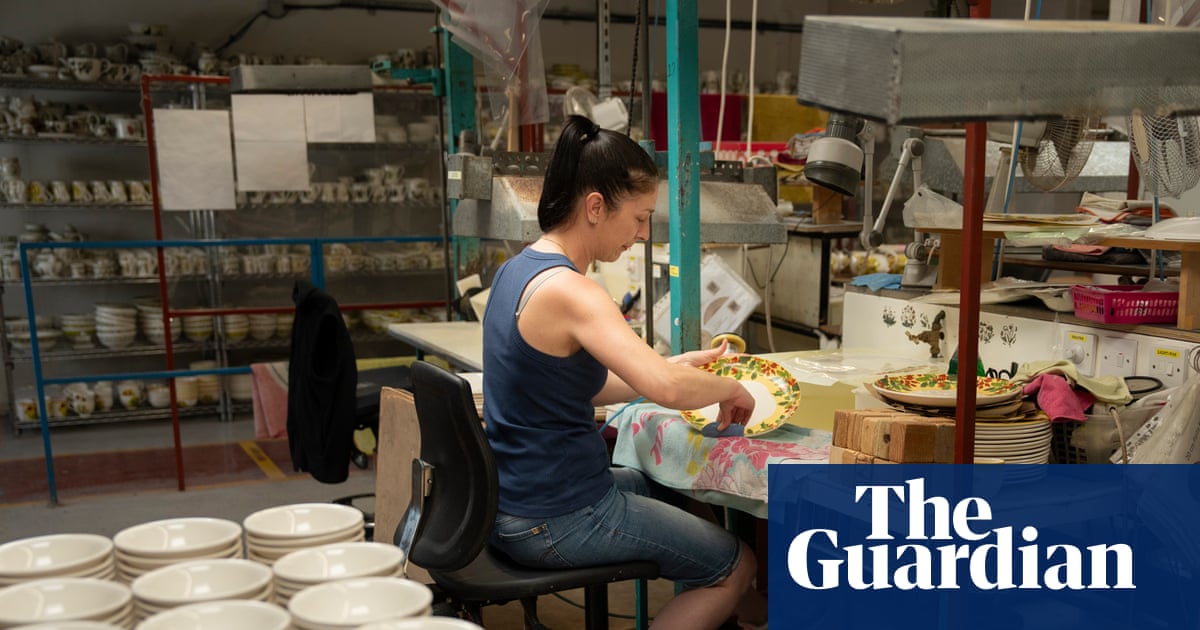
British ceramics is described as both a heritage industry and a practical one: it makes tableware, tiles, bathroom fittings and bricks, but also parts used in defence, security and technology. The article says the sector employs 20,000 people, with half based in the West Midlands, and that firms are struggling with international competition, higher labour costs and expensive energy.
Closures and pressure points
The piece points to a series of setbacks. Royal Stafford went bust in February last year after nearly 200 years, Heraldic Pottery closed in the same month, Wedgwood paused production for 90 days before restarting in January, and Denby entered administration on 31 March. Portmeirion’s leaders say these examples show how much pressure the wider sector is facing.
Government response and industry response
Rachel Reeves announced a £120m package last month aimed at energy efficiency, decarbonisation and long-term competitiveness. Ceramics UK will work with civil servants on how the scheme is designed and implemented. Industry figures welcome the support, but argue it may not be enough on its own.
Energy and net zero debate
The article says gas prices have risen sharply, with month-ahead UK prices cited at around 118p a therm, up 50% from the day before the Iran war began. Ceramics UK chief executive Rob Flello argues that policy also matters, saying manufacturers need the government to “decarbonise sensibly” rather than push industry offshore. He says UK producers face higher costs than rivals abroad, while imports from countries such as Turkey, China and India do not face the same carbon charges.
The industry says it has already spent £750m on decarbonisation efforts, but that the business is inherently energy hungry because production requires long firing at temperatures above 1,000C. The article’s central message is that the sector wants to cut emissions, but fears the current path could lead to more closures before the transition is complete.
Key points
- British ceramics makers welcomed a £120m support package but say more help is needed.
- The sector employs about 20,000 people and is important to both consumer manufacturing and industrial supply chains.
- Recent closures and production stoppages show how hard the industry has been hit.
- Industry leaders say high energy prices and carbon costs leave UK firms at a disadvantage versus overseas competitors.
- The sector says it wants to decarbonise, but fears current pressures could force more factories to shut.
If the £120m package is designed well, it could help firms cut energy use, modernise equipment and stay competitive. That would support jobs and keep more ceramic production in the UK while the industry continues its decarbonisation efforts.
If energy costs stay high and imported goods remain cheaper, more firms could still close or go into administration. The sector warns that without stronger support, decarbonisation could happen through deindustrialisation instead of through investment at home.