UN chief ‘alarmed’ over renewed US-Iran military confrontations, urges peace negotiations
The UN chief has expressed alarm over the renewed military confrontations in the Gulf between the US and Iran, calling for steps to de-escalate and resume negotiations aimed at a durable solution to the Middle East conflict.
Intelligence analysis by Llama
The UN Secretary-General has sounded alarm at the renewed military confrontations in the Gulf, warning of catastrophic consequences for the region, international peace and security, and the global economy. He has called on all parties to exercise maximum restraint and take immediate steps to de-escalate, recalling their obligation to fully comply with international law.
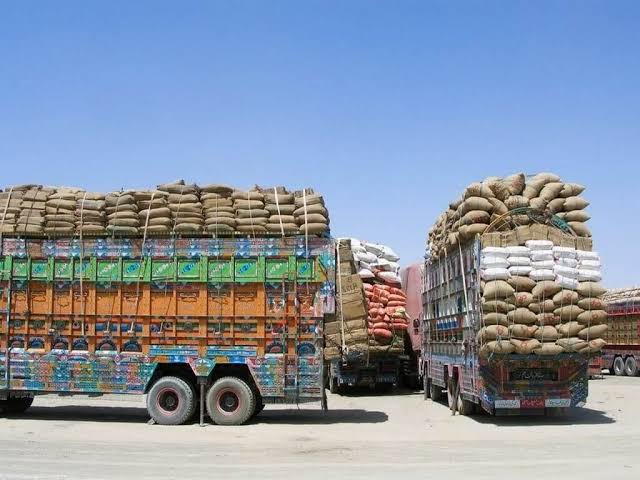
Imagine you're on a ship sailing through a narrow waterway called the Strait of Hormuz. Suddenly, there are attacks on ships and the waterway is closed. This can cause big problems for countries that rely on energy from the Gulf, making it harder for them to get the fuel they need. The UN chief is worried about this situation and is calling for everyone to calm down and talk things through to prevent a bigger conflict.
Analysis
A Renewed Threat to Regional Stability
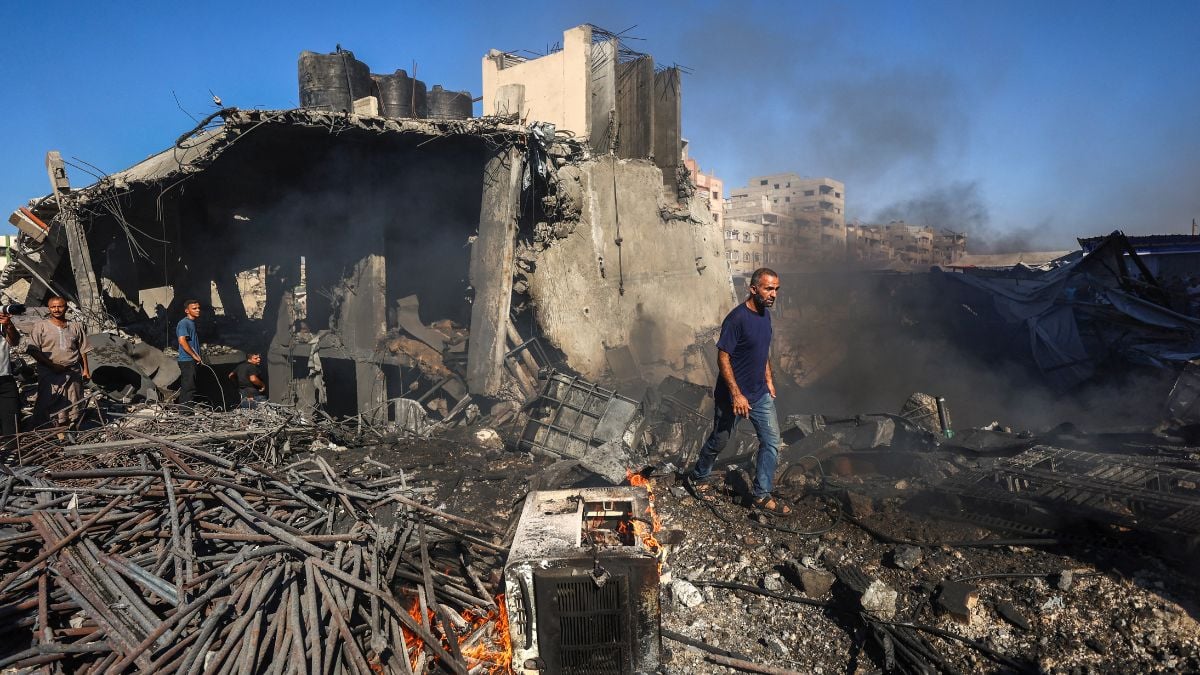
The recent military confrontations in the Gulf between the US and Iran have raised concerns about the potential for a wider conflict. The UN Secretary-General has sounded alarm at the situation, warning of catastrophic consequences for the region, international peace and security, and the global economy. The renewed attacks on shipping in the Strait of Hormuz have unsettled energy markets and prompted calls for maximum restraint and de-escalation.
The Economic Implications
The already challenging situation for countries that rely on energy from the Gulf is set to continue, with prices and price volatility expected to remain high and supply disruptions continuing for the months ahead. The effects of this year's disruption will still be felt even if the situation normalizes rapidly, and strategic oil reserves are at their lowest levels for decades.
Building Resilience to Energy Shocks
To counter the impacts of the energy shocks, including on public transport networks, it is essential to build resilience to renewed energy shocks. This can be achieved by saving energy through efficiency measures, reducing pressure on limited resources by cutting overall energy consumption, and stockpiling reserves. In the longer term, investing in domestic energy production and distribution capacity and renewables can also help to mitigate the effects of energy shocks.
Key points
- The UN Secretary-General has sounded alarm at the renewed military confrontations in the Gulf between the US and Iran.
- The renewed attacks on shipping in the Strait of Hormuz have unsettled energy markets and prompted calls for maximum restraint and de-escalation.
- The already challenging situation for countries that rely on energy from the Gulf is set to continue, with prices and price volatility expected to remain high and supply disruptions continuing for the months ahead.
- Building resilience to renewed energy shocks is essential to counter the impacts of the energy shocks, including on public transport networks.
- Investing in domestic energy production and distribution capacity and renewables can also help to mitigate the effects of energy shocks.
If the situation can be de-escalated and negotiations resumed, there is a possibility that a durable solution to the Middle East conflict can be achieved, leading to a more stable and secure region. This could also lead to a reduction in energy prices and a decrease in supply disruptions.
If the instability continues, we can expect prices and price volatility to remain high and supply disruptions to continue for the months ahead. This could lead to a larger-scale raw material shortage and further economic impacts on countries that rely on energy from the Gulf.