UN: Ebola Virus Kills One Person Every 30 Minutes in Democratic Republic of Congo
The UN has announced a global appeal to combat the Ebola outbreak in the Democratic Republic of Congo, where the virus is killing one person every 30 minutes. The outbreak has already claimed over 2,100 lives and infected more than 4,500 people since its emergence in May.
Intelligence analysis by Llama
The UN has launched a global appeal to combat the Ebola outbreak in the Democratic Republic of Congo, where the virus is killing one person every 30 minutes. The outbreak has already claimed over 2,100 lives and infected more than 4,500 people since its emergence in May.
Imagine a virus that kills one person every 30 minutes. That's what's happening in the Democratic Republic of Congo right now. The UN is asking for help to stop the spread of the virus, and we need to act fast to prevent more people from getting sick.
Analysis
The Alarming Spread of Ebola in the Democratic Republic of Congo
The Ebola outbreak in the Democratic Republic of Congo is one of the fastest-spreading in history, with the virus killing one person every 30 minutes. The outbreak has already claimed over 2,100 lives and infected more than 4,500 people since its emergence in May.
The UN has launched a global appeal to combat the outbreak, with a call for $300 million in funding to support the response efforts. The appeal comes as the outbreak continues to spread, with cases reported in six provinces in the Democratic Republic of Congo, as well as in Uganda and near the border with South Sudan.
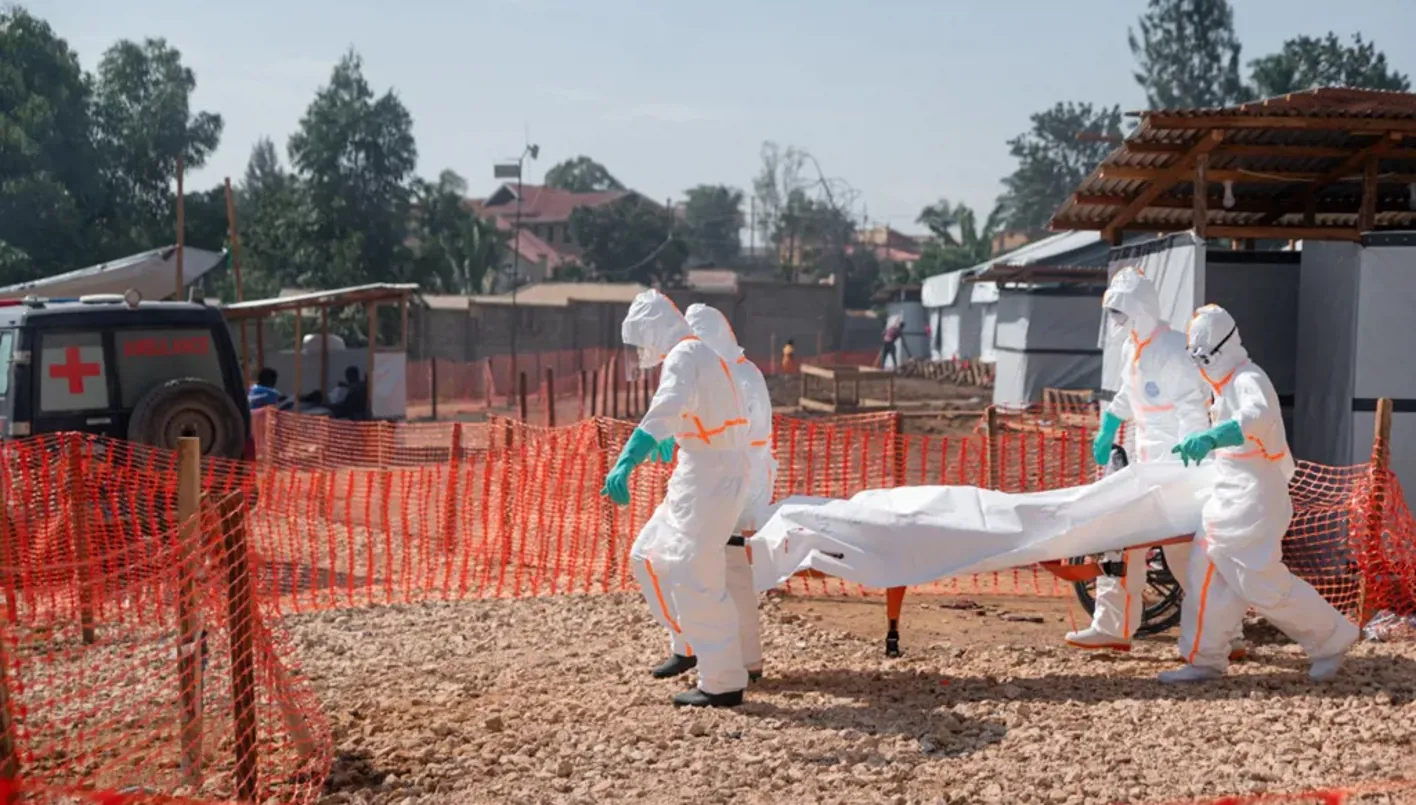
The UN has also announced the deployment of 20 additional staff to the frontlines of the outbreak, with a focus on improving contact tracing, increasing the capacity for safe and dignified burials, and enhancing the provision of water, sanitation, and healthcare services in the affected areas.
The outbreak is a major public health concern, and the UN's appeal for global support is crucial to containing the spread of the virus. The international community must come together to support the response efforts and prevent further spread of the virus.
The Need for Urgent Action
The UN has emphasized the need for urgent action to contain the outbreak, with a focus on increasing the capacity for safe and dignified burials, improving contact tracing, and enhancing the provision of water, sanitation, and healthcare services in the affected areas.
The outbreak is a major public health concern, and the UN's appeal for global support is crucial to containing the spread of the virus. The international community must come together to support the response efforts and prevent further spread of the virus.
The Role of the International Community
The international community has a critical role to play in supporting the response efforts to the Ebola outbreak in the Democratic Republic of Congo. The UN has launched a global appeal for funding and support, and the international community must come together to respond to this appeal.
The outbreak is a major public health concern, and the UN's appeal for global support is crucial to containing the spread of the virus. The international community must come together to support the response efforts and prevent further spread of the virus.
Key points
- The Ebola outbreak in the Democratic Republic of Congo is one of the fastest-spreading in history.
- The virus is killing one person every 30 minutes, with over 2,100 lives lost and more than 4,500 people infected.
- The UN has launched a global appeal for funding and support to combat the outbreak.
- The international community must come together to support the response efforts and prevent further spread of the virus.
If the international community comes together to support the response efforts, it's possible to contain the spread of the virus and prevent further outbreaks. The UN's appeal for funding and support is a crucial step in this process.
If the outbreak is not contained, it could spread to other parts of the world, leading to a global health crisis. The international community must take urgent action to prevent this from happening.