UN Predicts 'Very Strong' El Niño to Last Until February 2027
The World Meteorological Organization forecasts a stable and intensifying El Niño phenomenon, expected to persist until February 2027, with significant climate risks.
Intelligence analysis by Gemini 2.5 Flash Lite
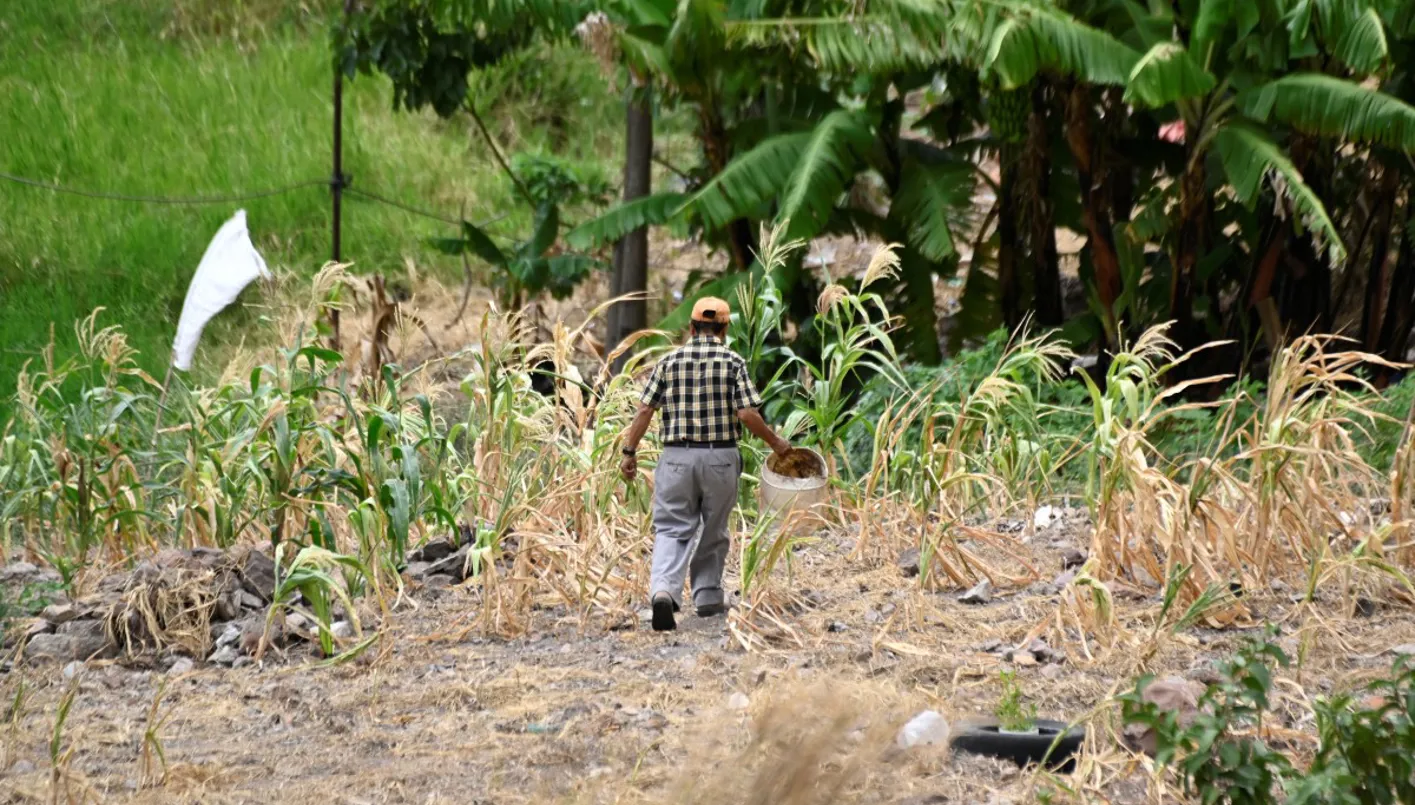
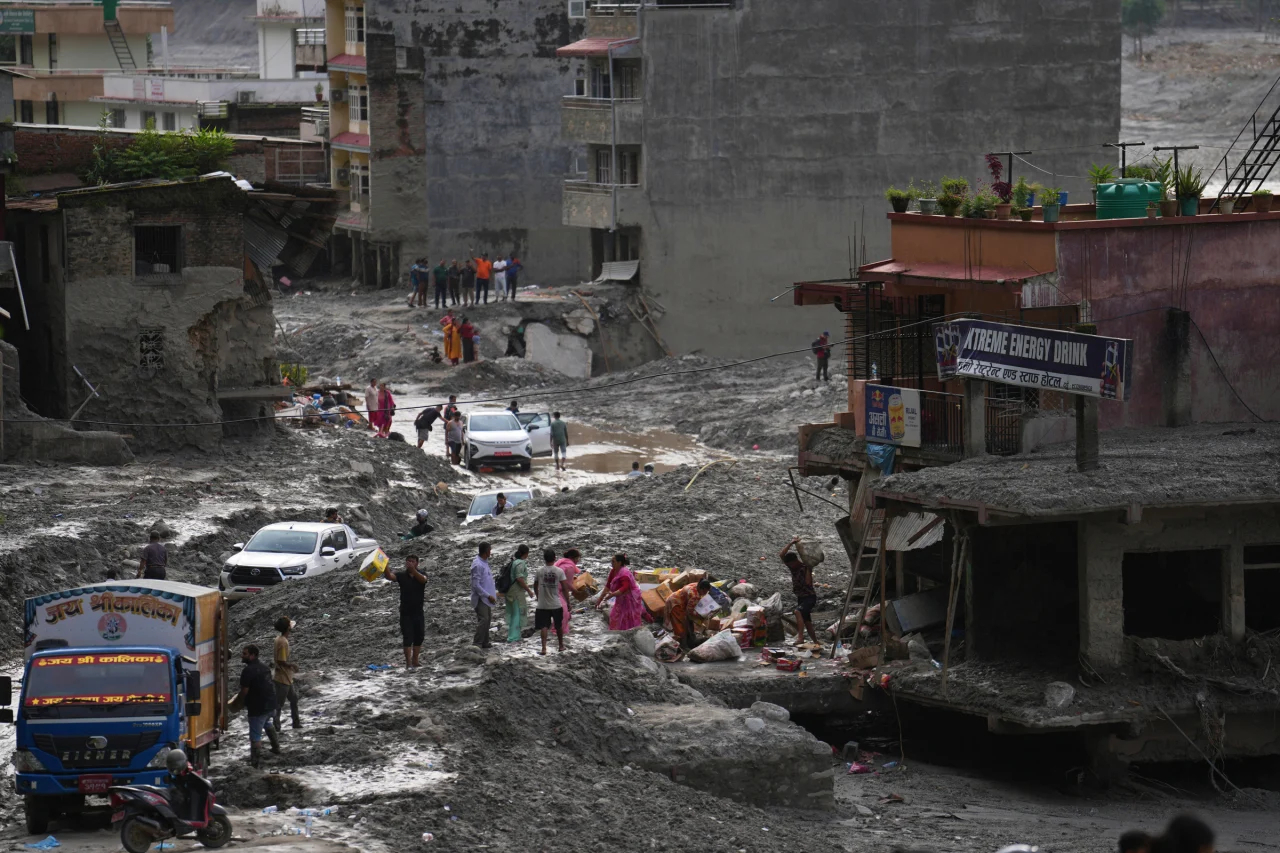
A strong El Niño is predicted to continue until early 2027, increasing the likelihood of extreme weather events like floods, droughts, and heatwaves globally, according to the WMO and UN Secretary-General António Guterres.
Imagine the Earth has a fever, and El Niño is like a strong wave making that fever much hotter for a long time, until early 2027. This means more extreme weather, like sudden floods or super dry spells, and very hot days, affecting everyone around the world.
Analysis
El Niño's Intensification and Duration
The World Meteorological Organization (WMO) has issued a stark warning regarding the El Niño phenomenon, stating it has "steadily intensified" and is expected to strengthen further in the coming months. The forecast indicates a near 100% probability that this powerful El Niño will persist until February 2027. This extended duration is a cause for concern, as it suggests a prolonged period of disrupted weather patterns across the globe. The WMO's announcement highlights the significant implications for rainfall patterns, temperature fluctuations, and the increased likelihood of severe weather events such as floods, droughts, and extreme heatwaves. The stability and increasing intensity of El Niño are key indicators of potential widespread climate disruption.
Global Climate Risks and UN Warning
United Nations Secretary-General António Guterres echoed the WMO's concerns, warning that the world is entering a "high-risk zone" due to El Niño's influence on extreme weather. He emphasized that scientific evidence leaves no room for doubt about the planet entering uncharted territory, with unprecedented and rising sea surface temperatures. Guterres framed the situation as a race between escalating climate risks and the commitment to climate action, stressing the urgent need to protect people from the intensifying impacts of extreme weather. His statement underscores the global scale of the threat and the imperative for immediate and robust climate mitigation and adaptation strategies.
Natural Phenomenon vs. Climate Change
While El Niño is a natural climate phenomenon, scientists anticipate that its current iteration will exacerbate the ongoing global warming trend, which is primarily driven by the burning of fossil fuels. The interaction between El Niño and human-induced climate change is expected to amplify extreme weather events beyond what either factor might cause alone. This synergy means that regions already experiencing accelerated warming will likely face even more severe consequences. The WMO and UN's warnings serve as a critical reminder of the interconnectedness of natural climate cycles and anthropogenic climate change, highlighting the urgent need to address greenhouse gas emissions to mitigate future climate impacts.
Key points
- El Niño phenomenon has stabilized and is expected to intensify.
- The strong El Niño is predicted to last until February 2027.
- Increased risks of floods, droughts, and extreme heatwaves globally.
- UN Secretary-General warns of entering a 'high-risk zone' for extreme weather.
- El Niño amplifies global warming and extreme weather events.
If global communities proactively implement robust climate adaptation strategies and enhance early warning systems, the impact of extreme weather events exacerbated by El Niño could be mitigated, protecting vulnerable populations and infrastructure.
The prolonged and intense nature of this El Niño, coupled with existing climate change, significantly increases the risk of widespread humanitarian crises due to severe droughts, devastating floods, and extreme heatwaves, potentially overwhelming disaster response capacities.