UN-Report: Small Progress, But Hunger Remains
Global hunger has decreased for the third consecutive year, but significant regional disparities persist, with Africa having the most hungry people. Conflicts and rising energy/fertilizer prices threaten future food security, while billions still cannot afford healthy diets.
Intelligence analysis by Gemini 2.5 Flash
A new UN report on global food security indicates a slight reduction in hunger worldwide, primarily driven by progress in South Asia and Latin America. However, ongoing conflicts, particularly in Africa and the Middle East, coupled with population growth and the economic impact of events like the Strait of Hormuz blockade, pose severe risks to food supply and affordability, making the…
Imagine a big report card for how well the world is feeding everyone. Good news: fewer people are super hungry than before, especially in places like India. But bad news: lots of people in Africa are still very hungry because of fighting and more babies being born. Also, many people can't afford healthy foods like fruits and veggies, and wars are making gas and fertilizer super expensive, which means food might get even pricier for everyone.
Analysis
Persistent Regional Disparities
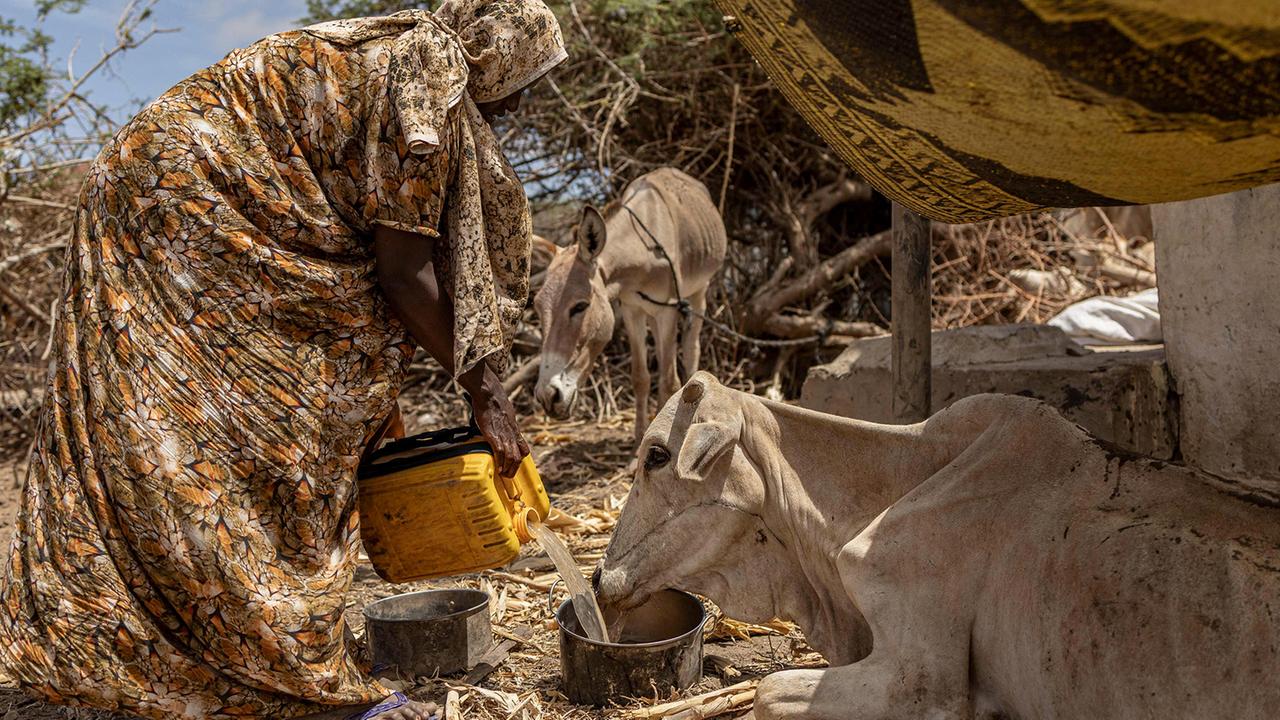
The latest UN report on global food security, the SOFI Report, offers a mixed picture of the world's fight against hunger. While the overall number of hungry people has declined for the third consecutive year, this progress is unevenly distributed. Africa remains the continent most affected, with 309 million people experiencing hunger last year. This stark reality is attributed by Maximo Torero, Chief Economist of the FAO, to two primary factors: persistent conflicts across the continent and significant population growth. These challenges create a complex environment where food distribution is hampered, and demand outstrips supply, exacerbating existing vulnerabilities. In contrast, regions like South Asia and Latin America have demonstrated notable improvements. India, for instance, is highlighted for its successful implementation and digitization of social systems, which have streamlined the targeted delivery of food aid to those in need. This regional success underscores the importance of robust infrastructure and effective governance in combating food insecurity, offering a blueprint for other struggling nations. However, these localized gains are overshadowed by broader global threats that could reverse the positive trend.
Geopolitical Shocks and Economic Fallout
The report, while reflecting data from the previous year, anticipates severe future impacts from ongoing geopolitical events. The blockade of the Strait of Hormuz, for example, is expected to significantly worsen global food security. This critical chokepoint for oil shipments directly influences global energy prices, which in turn affect the cost of food production and transportation. More critically, the blockade is causing a shortage of raw materials essential for fertilizer production, such as natural gas for nitrogen and sulfur. Torero warns that a 20-30% deficit in these inputs will lead to reduced agricultural yields and, consequently, higher consumer prices for food worldwide. The article also references the "Iran war" as a factor driving up fertilizer prices, further illustrating how regional conflicts have far-reaching economic consequences that ripple through global supply chains. These external shocks not only make food more expensive but also disrupt the availability of essential agricultural inputs, threatening the livelihoods of farmers and the food supply for entire populations. The inability to account for these recent developments in the current report means the true extent of their impact is yet to be fully realized, painting a grim picture for the immediate future.
Beyond Hunger: The Challenge of Healthy Diets
Beyond the sheer numbers of undernourished individuals, the UN report also sheds light on the pervasive issue of access to healthy diets. Nearly 2.7 billion people globally cannot afford nutritious food, often due to the high cost of items like fruits and vegetables. A significant portion of food costs—around 70%—is incurred post-harvest, primarily through storage, transportation, and maintaining cold chains. These logistical challenges add substantial expense to the final consumer price, making healthy options inaccessible for a vast segment of the global population, particularly in lower-income regions. Furthermore, the report emphasizes that the challenge of good nutrition extends beyond undernourishment to include the growing problems of overweight and obesity. Torero points out that these conditions lead to serious health issues such as heart attacks and diabetes, resulting in preventable deaths. This dual burden of malnutrition—both undernutrition and overnutrition—highlights the complexity of achieving comprehensive food security. The UN's ambitious goal of eradicating hunger by 2030 appears increasingly distant given these multifaceted crises and the current pace of progress, exacerbated by insufficient funding for humanitarian aid programs.
Key points
- Global hunger has decreased for the third consecutive year, but significant regional disparities persist.
- Africa has the highest number of hungry people (309 million), primarily due to conflicts and population growth.
- South Asia and Latin America, particularly India, have made notable progress through improved social systems.
- The blockade of the Strait of Hormuz and the "Iran war" are expected to drive up energy and fertilizer prices, threatening future food security and consumer prices.
- Nearly 2.7 billion people cannot afford a healthy diet, with 70% of food costs arising post-harvest from storage and transport.
- The UN's 2030 goal to eradicate hunger is far from being met, exacerbated by current crises and reduced state contributions to aid programs.
The report highlights that progress in combating hunger is possible, as demonstrated by countries like India through improved social systems and digital distribution. If these successful strategies are replicated and scaled globally, and if international cooperation strengthens to address conflicts and climate change, the world could accelerate its progress towards the 2030 hunger eradication goal.
The ongoing conflicts, particularly in Africa and the Middle East, coupled with the economic fallout from events like the Strait of Hormuz blockade, threaten to reverse recent gains in reducing hunger. Rising energy and fertilizer prices could lead to decreased agricultural yields and higher food costs, pushing more billions into food insecurity and making the UN's 2030 goal unattainable.
Market signals
- OIL The article states that the blockade of the Strait of Hormuz and the 'Iran war' are causing energy prices to rise worldwide.
- Fertilizer The report indicates that the blockade and the 'Iran war' are leading to shortages of raw materials for fertilizer, driving up its prices.
- DAX A market report mentioned in the article notes the DAX dropping to a low due to the Iran war, indicating negative market sentiment.
AI-generated analysis of potential market relevance. Not financial advice.