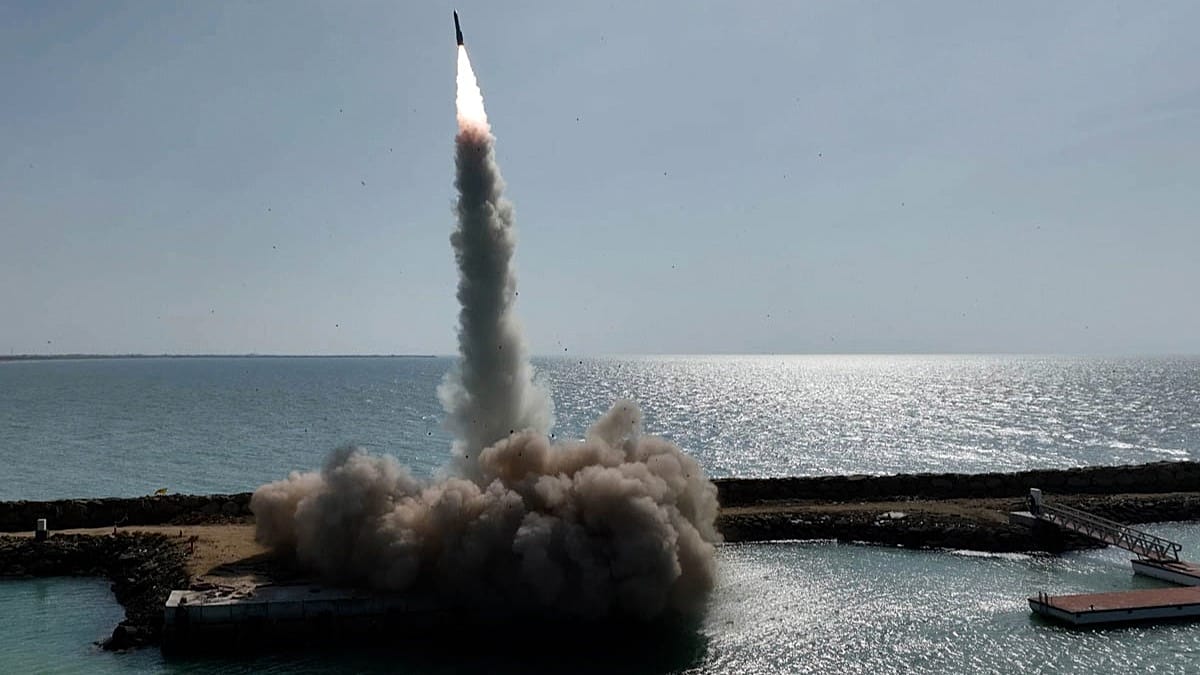
UN Security Council meets as Houthis tighten grip on Red Sea chokepoint
The UN Security Council is meeting to discuss the Middle East situation as Iran-backed Houthis advance along Yemen's Red Sea coast, raising concerns over global shipping routes.
Intelligence analysis by Gemini 2.5 Flash
The Houthis have reportedly seized key locations like the port of Mokha and Mayyun Island, tightening their control over the Bab el-Mandeb strait, a crucial global shipping chokepoint. This advance coincides with increased Houthi attacks on Saudi Arabia, prompting Saudi calls for U.S. intervention, which Washington has so far resisted.
Imagine a very important narrow water road that many ships use to carry toys, food, and fuel all around the world, especially between countries in Asia and Europe. A group called the Houthis in Yemen is taking control of parts of the land next to this road, making people worried that they might stop or slow down the ships. This could make things more expensive or harder to get for everyone.
Analysis
The recent actions by the Iran-backed Houthis in Yemen have brought the critical Bab el-Mandeb strait into sharp focus, prompting an urgent UN Security Council meeting. While the official agenda item for the meeting does not explicitly mention Yemen or the Red Sea, the timing is clearly linked to the Houthis' escalating control over this strategic maritime passage. The strait, approximately 30 kilometers wide, is a crucial chokepoint, facilitating about 8.7% of global seaborne trade and connecting the Red Sea to the Gulf of Aden and the broader Indian Ocean. Any disruption here has far-reaching implications for international commerce, including significant routes for European energy and goods.
Bab el-Mandeb
The Bab el-Mandeb strait is a narrow waterway that serves as a gateway between the Arabian Peninsula and the Horn of Africa, linking the Mediterranean Sea (via the Suez Canal) with the Indian Ocean. Its strategic importance cannot be overstated, as it is a primary conduit for oil and natural gas shipments, as well as container traffic, between Asia and Europe. The Houthis' reported seizure of the Red Sea port of Mokha and Mayyun Island (also known as Perim) last week significantly enhances their ability to influence or disrupt passage through this vital chokepoint. This territorial gain gives them a direct vantage point and potential control over maritime activities in the area, raising alarms for international shipping companies and global powers.
Concerns are further amplified by unverified claims from Yemeni and Houthi officials that the group has also moved onto the Greater and Lesser Hanish islands. If confirmed, this would further solidify their strategic position within the Red Sea, potentially allowing them to exert even greater pressure on maritime traffic. The international community, particularly nations reliant on these trade routes, views these developments with apprehension, fearing potential blockades or increased security risks for commercial vessels. The economic ramifications of such disruptions could be substantial, leading to higher shipping costs, longer transit times, and increased insurance premiums for vessels traversing the region.
Houthis
The Houthis' recent military advances along the Red Sea coast are not isolated incidents but part of a broader pattern of escalating conflict in Yemen and increased regional assertiveness. These territorial gains have coincided with a new wave of Houthi attacks targeting Saudi Arabia, a key regional rival. On Monday, the group claimed responsibility for firing dozens of missiles and drones at an air base in Khamis Mushait, a significant escalation in their cross-border assaults. Saudi authorities responded by issuing alerts in four southern cities, and the Saudi-led coalition reported that 13 civilians were wounded in the attacks, underscoring the human cost of the ongoing conflict.
Despite these aggressive actions, multiple Houthi leaders and organizations have publicly asserted that shipping through the Bab el-Mandeb strait remains safe for most vessels. They claim that the only restriction they impose is a ban on Saudi vessels, suggesting a targeted approach rather than a blanket disruption of international trade. However, these assurances are met with skepticism by many international observers, who fear that the Houthis' increased control over the strait could be leveraged for broader political or military objectives, potentially leading to unpredictable consequences for global maritime security. The group's actions are seen as a direct challenge to regional stability and international norms regarding freedom of navigation.
Mohammed bin Salman
The escalating situation has drawn the attention of major international players, with Saudi Crown Prince Mohammed bin Salman reportedly engaging directly with U.S. President Donald Trump. The Crown Prince called President Trump twice last week, specifically seeking U.S. military strikes on Houthi targets in response to the group's advances and attacks. This direct appeal highlights the severity of the threat perceived by Saudi Arabia and its desire for a robust international response to curb Houthi aggression. The Saudi leadership views the Houthis' actions as a direct challenge to their national security and regional influence, particularly given the group's alleged backing by Iran.
However, Washington has, so far, resisted direct military intervention in response to these calls. President Trump publicly stated on Saturday that the Houthis "don’t want to fight with us" and "would much prefer not having us involved," adding that they were "letting most ships go through." This stance suggests a cautious approach from the U.S., possibly aimed at avoiding deeper entanglement in the Yemeni conflict or a broader regional confrontation. The U.S. administration appears to be weighing the risks and benefits of direct military action, preferring to monitor the situation while potentially exploring diplomatic or other non-military options to de-escalate tensions and ensure the safety of international shipping lanes.
Key points
- The UN Security Council is meeting to address the Middle East situation amid Houthi advances in Yemen.
- Iran-backed Houthis have reportedly seized the Red Sea port of Mokha and Mayyun Island, tightening control over the Bab el-Mandeb strait.
- The Bab el-Mandeb strait is a critical global shipping chokepoint, handling about 8.7% of global seaborne trade.
- Houthi actions coincide with new missile and drone attacks on Saudi Arabia, injuring 13 civilians.
- Saudi Crown Prince Mohammed bin Salman sought U.S. strikes on Houthi targets, but President Trump has resisted direct military intervention.
Despite the Houthi advances, the group has claimed that shipping through the Bab el-Mandeb strait remains safe, with restrictions only applying to Saudi vessels. This suggests a potential for de-escalation where international trade routes could largely remain open, preventing a wider disruption to global supply chains.
The Houthis' tightening grip on the Red Sea chokepoint, coupled with their attacks on Saudi Arabia, risks a significant escalation of regional conflict. This could lead to direct military intervention, severe disruptions to global shipping, and a substantial increase in energy and goods prices worldwide.
Market signals
- OIL Supply-route risk from the reported conflict in the Red Sea, a major oil transit chokepoint, pushes oil prices higher.
AI-generated analysis of potential market relevance. Not financial advice.