UN Urges Evacuation of 6,000 Sailors Stranded in Hormuz Strait
The United Nations called for the safe evacuation and repatriation of around 6,000 sailors stranded in the strategic Strait of Hormuz due to the ongoing war in the Middle East.
Intelligence analysis by Llama
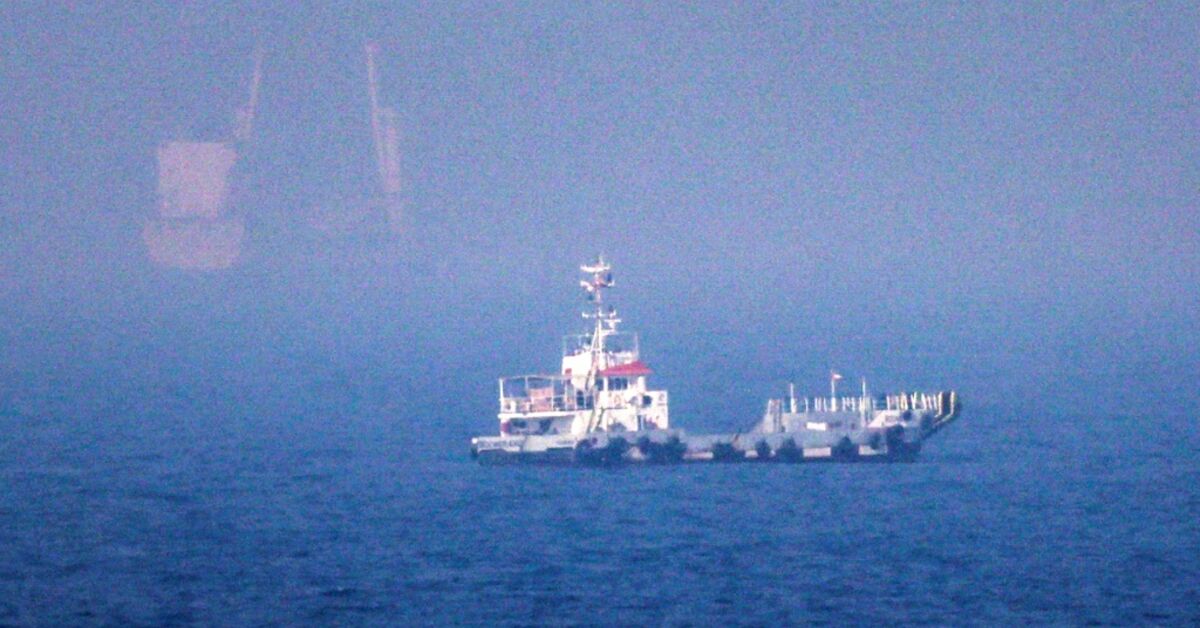
The UN has urged states, ship owners, and other relevant actors to ensure the protection of stranded seafarers, including through consular assistance and providing essential supplies, and by facilitating evacuations and repatriations.
Imagine being stuck on a ship in the middle of a war zone with no food, water, or way to communicate with your family. That's what's happening to around 6,000 sailors in the Strait of Hormuz. The UN is calling for their safe evacuation and repatriation to prevent further harm and suffering.
Analysis
A Dire Humanitarian Crisis Unfolds in the Strait of Hormuz
The United Nations has sounded the alarm on a dire humanitarian and human rights crisis unfolding in the strategic Strait of Hormuz, where around 6,000 sailors are stranded due to the ongoing war in the Middle East. The situation is a stark reminder of the devastating consequences of conflict on civilians, particularly those who are not directly involved in the fighting.
The UN's Call to Action
The UN's human rights chief, Volker Turk, has called for urgent action to remedy the plight of the stranded sailors. He urged states, ship owners, and other relevant actors to ensure the protection of the seafarers, including through consular assistance and providing essential supplies, and by facilitating evacuations and repatriations. The UN's call to action is a crucial step towards preventing further harm and suffering to the stranded sailors.
The Risks Faced by the Stranded Sailors
The stranded sailors are exposed to hostilities, including deadly attacks in the strait, which have resulted in the deaths of at least 17 seafarers since the conflict erupted at the end of February. Many others are unaccounted for, and the situation is becoming increasingly dire. The seafarers have been left on their ships to fend for themselves without food, water, fuel, medical care, electricity, or means to communicate with their families.
The Broader Implications
The situation in the Strait of Hormuz is not an isolated incident. The UN's human rights chief has also raised concerns for seafarers in other conflict zones, including the Sea of Azov and the Black Sea, as a result of Russia's war in Ukraine. Shipping companies have suspended services to Ukraine's Black Sea ports following mounting Russian attacks on the coast. The UN's call to action is a crucial step towards preventing further harm and suffering to the stranded sailors and ensuring their safe evacuation and repatriation.
Key points
- Around 6,000 sailors are stranded in the Strait of Hormuz due to the ongoing war in the Middle East.
- The UN has called for the safe evacuation and repatriation of the stranded sailors.
- The situation is a dire humanitarian and human rights crisis, with the seafarers facing hostilities, including deadly attacks in the strait.
- The UN's human rights chief has also raised concerns for seafers in other conflict zones, including the Sea of Azov and the Black Sea, as a result of Russia's war in Ukraine.
If the UN's call to action is heeded, the stranded sailors may be able to safely evacuate and return home, bringing an end to their ordeal and preventing further harm and suffering.
If the conflict in the Middle East continues, the situation for the stranded sailors may worsen, with further attacks and hostilities putting their lives at risk.