UN Warns of Escalating Hunger Crisis in Afghanistan
The UN's World Food Programme (WFP) warns of a worsening hunger crisis in Afghanistan, with 47% of children under the age of 5 undernourished in the first quarter of this year. The WFP has received only a tenth of its allocated $900 million for Afghanistan this year, and …
Intelligence analysis by Llama
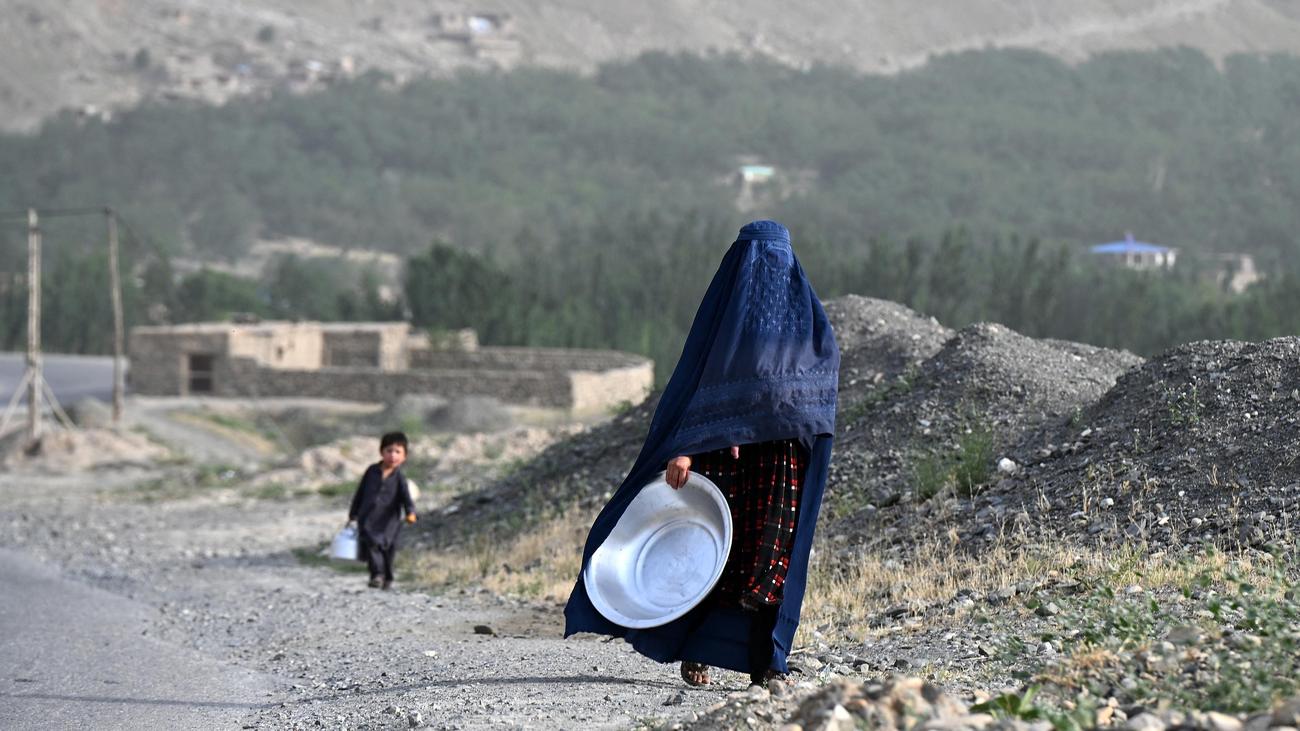
The UN's World Food Programme (WFP) is struggling to address the escalating hunger crisis in Afghanistan, with the country's children facing severe malnutrition. The WFP has received only a fraction of its allocated funds, and the situation is expected to worsen despite a predicted good harvest.
Imagine a country where people are so hungry that they can't even get enough food to eat. This is what's happening in Afghanistan, where a lot of children are getting very sick because they're not getting enough to eat. The UN is trying to help, but they need more money and support to make a difference.
Analysis
A Perfect Storm of Hunger and Instability
The situation in Afghanistan is dire, with the country's children facing severe malnutrition and the risk of widespread famine. The UN's World Food Programme (WFP) has warned that the hunger crisis is escalating, with 47% of children under the age of 5 undernourished in the first quarter of this year. This is a stark reminder of the devastating impact of conflict and instability on civilian populations.
The WFP has been struggling to address the crisis, with the organization receiving only a tenth of its allocated $900 million for Afghanistan this year. This is a significant shortfall, and the situation is expected to worsen despite a predicted good harvest. The WFP has warned that the consequences of inaction will be severe, with the potential to drive migration and radicalization.
The Role of International Support
The international community has a critical role to play in addressing the hunger crisis in Afghanistan. The WFP has called for increased support and cooperation to address the root causes of the crisis, including conflict, poverty, and lack of access to basic services. This requires a sustained and coordinated effort from governments, NGOs, and other stakeholders to provide emergency assistance and support long-term development.
The Road Ahead
The situation in Afghanistan is complex and multifaceted, requiring a comprehensive and sustained response. The international community must work together to address the root causes of the crisis, provide emergency assistance, and support long-term development. This will require a significant increase in funding and resources, as well as a commitment to cooperation and coordination. The stakes are high, but the potential rewards are significant, and the international community must act to prevent a humanitarian disaster.
Key points
- The UN's World Food Programme (WFP) has warned of a worsening hunger crisis in Afghanistan, with 47% of children under the age of 5 undernourished in the first quarter of this year.
- The WFP has received only a tenth of its allocated $900 million for Afghanistan this year, and the situation is expected to worsen despite a predicted good harvest.
- The international community has a critical role to play in addressing the hunger crisis in Afghanistan, and must work together to provide emergency assistance and support long-term development.
If the international community comes together to provide emergency assistance and support long-term development, it's possible to mitigate the effects of the hunger crisis and prevent a humanitarian disaster. This would require a significant increase in funding and resources, as well as a commitment to cooperation and coordination.
If the hunger crisis in Afghanistan is not addressed, it could lead to widespread famine, migration, and radicalization. This would have severe consequences for regional stability and global security, and could potentially lead to a humanitarian disaster.