‘Under tremendous strain’: CIA analyst turned spy novelist on a fraying US-UK alliance
A former CIA analyst and spy novelist, David McCloskey, highlights the severe strain on the US-UK "special relationship," exacerbated by Donald Trump's "America first" policies and concerns over intelligence sharing.
Intelligence analysis by Gemini 2.5 Flash
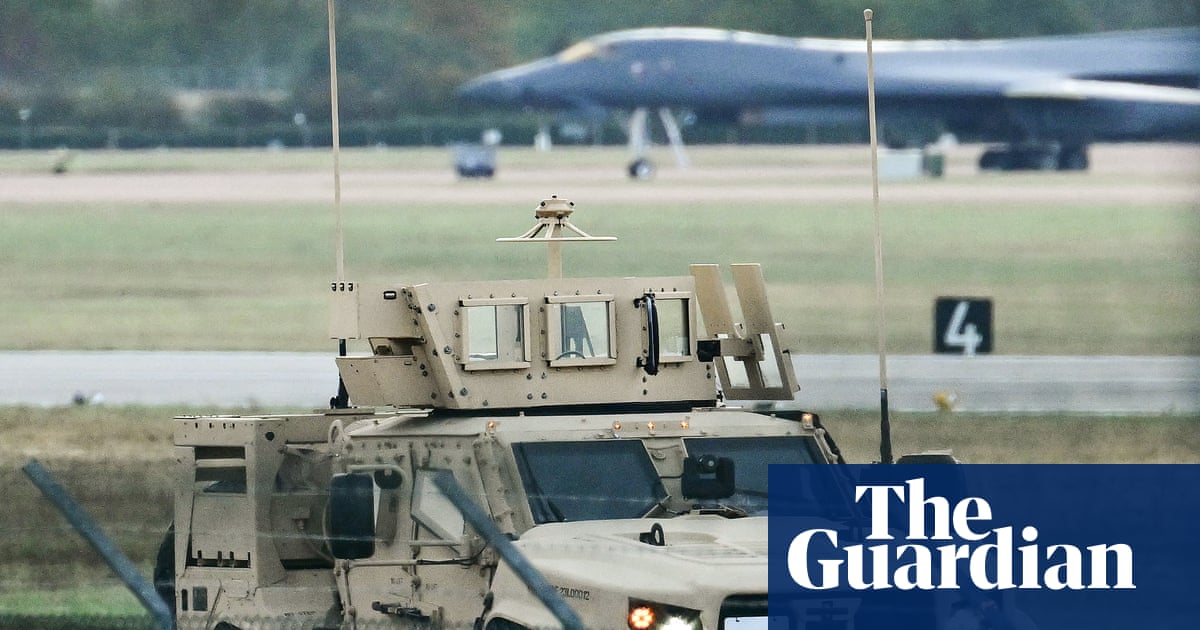
David McCloskey, a former CIA analyst turned author, argues that the long-standing US-UK alliance is under unprecedented pressure, a theme he explores in his new novel, 'London Station.' He points to recent actions by the Trump administration, such as withdrawing bombers from RAF Fairford and questioning support for the Falklands, as real-world reflections of the fraying ties and deep…
Imagine two best friends, America and Britain, who have always shared secrets and helped each other out, like secret agents in a spy movie. But now, America has a new leader who doesn't seem to trust Britain as much and wants to do things his own way. This makes Britain worried about sharing their most important secrets, and a writer who used to be a real spy has even written a book about how their friendship could completely fall apart, which feels a bit like what's happening in real life.
Analysis
The enduring "special relationship" between the United States and Britain, historically characterized by deep emotional and political bonds, is currently facing unprecedented challenges. David McCloskey, a former CIA analyst and now a spy novelist, provides a stark assessment, suggesting that the alliance is under "tremendous strain" due to a confluence of political shifts and strategic divergences. His insights, drawn from extensive research and his own professional background, paint a concerning picture of an alliance that has historically weathered numerous global crises but now appears vulnerable.
Donald Trump's Influence
Donald Trump's "America first" agenda is identified as a primary catalyst for the current strain on the US-UK relationship. His administration's actions, such as openly considering abandoning de facto support for Britain in the Falklands dispute and welcoming the idea of a united Ireland, signal a departure from traditional diplomatic norms. Furthermore, the hurried withdrawal of 12 B-1 bombers from RAF Fairford following intelligence of a potential Iranian drone attack, coupled with critical remarks from Trump's supporters, underscores a perceived US pullback from its strategic partnership with the UK.
These moves are not isolated incidents but rather reflect a broader geopolitical trend that McCloskey describes as "fairly alarming." The US president's approach has led to a significant divergence in foreign policy, particularly concerning issues like Russia's war with Ukraine and Trump's decision to attack Iran. This shift has created an environment where traditional allies find themselves increasingly out of sync, challenging the very foundation of their long-standing cooperation.
Intelligence Cooperation Fears
At the heart of the "special relationship" lies the intimate sharing of intelligence, a bond now reportedly under severe stress. British intelligence officers, particularly those at Vauxhall Cross (MI6 headquarters), harbor significant fears about sharing sensitive information with the US under the current administration. McCloskey highlights a scenario where British spies might be hesitant to share intelligence, especially concerning Russia, due to concerns that the US president could inadvertently or intentionally compromise sources or pass on information.
This apprehension is not unfounded, recalling an instance during Trump's first presidency when he reportedly shared Israeli intelligence with Russian foreign minister Sergei Lavrov. Such incidents foster a climate of distrust, making the crucial exchange of intelligence, which has been a hallmark of the alliance, increasingly difficult. The article suggests that while no confirmed instances of intelligence withholding are cited, the hypothetical scenario is considered "reasonable" by those within the British intelligence community, indicating a profound erosion of confidence.
David McCloskey's 'London Station'
McCloskey's new novel, 'London Station,' serves as a fictionalized exploration of how the US-UK intelligence partnership could catastrophically collapse. The book depicts a scenario where the CIA, under a new Trump-like director, scorns MI6 as "freeloaders" and "pickpockets," leading to a breakdown in cooperation. This imagined scenario, according to McCloskey, felt plausible even before recent real-world developments, underscoring the deep-seated anxieties he uncovered during his research.
His extensive research for the novel revealed serious concerns on both sides of the Atlantic, particularly in Britain, regarding the future of the special relationship. British intelligence officers expressed resentment at being the junior partner, often feeling powerless against the greater heft and resources of the CIA. Conversely, CIA officers also recounted instances of personality conflicts and a sense of intimidation from their British counterparts, illustrating a complex dynamic of mutual tension and reliance within the intelligence community.
Key points
- The US-UK "special relationship" is under "tremendous strain," according to former CIA analyst David McCloskey.
- Donald Trump's "America first" policies, including questioning support for the Falklands and withdrawing bombers from RAF Fairford, are exacerbating tensions.
- British intelligence (MI6) harbors fears about sharing sensitive information with the US due to concerns about potential leaks or compromises.
- McCloskey's new novel, 'London Station,' explores a fictional collapse of US-UK intelligence cooperation, mirroring real-world anxieties.
- Research indicates mutual resentment and feelings of intimidation between US and UK intelligence agencies, with Britain feeling like a junior partner.
- The cultural affinity between the two nations, dating back to World War II, is perceived to be thinning out.
Despite the current political strains, the deep-seated historical, cultural, and linguistic ties that have bound the US and UK for generations could prove resilient. These enduring bonds might help the alliance weather the present difficulties, suggesting that the current period of divergence could be a temporary phase rather than a permanent rupture in the special relationship.
The ongoing strain risks a significant deterioration in intelligence sharing and strategic cooperation, potentially weakening Western alliances and increasing global instability. A continued erosion of trust could lead to a more isolated UK and a US less able to leverage its traditional partnerships, with severe consequences for international security.