UNESCO grants World Heritage status to Iran’s Alamut Castle and Related Fortifications
Iran’s Alamut Castle and Related Fortifications have been inscribed on UNESCO’s World Heritage List, becoming the country’s 30th tangible cultural heritage property. The property consists of seven historic castles and fortifications spread across the eastern and western A…
Intelligence analysis by Llama
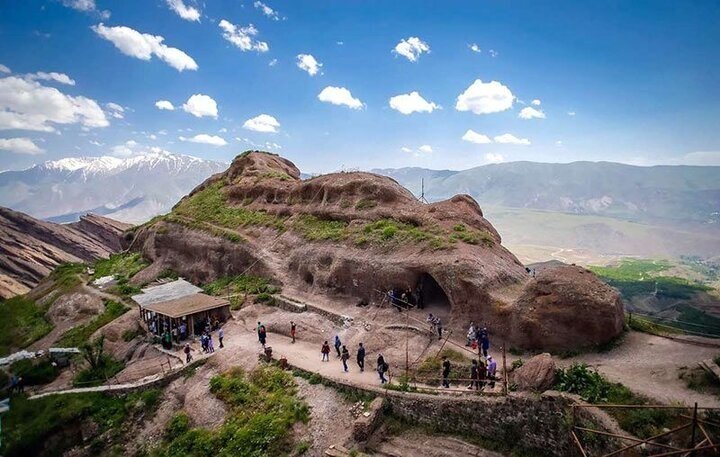
Iran’s Alamut Castle and Related Fortifications have been inscribed on UNESCO’s World Heritage List, marking another milestone in Iran’s long-standing presence on the World Heritage list. The property consists of seven historic castles and fortifications spread across the eastern and western Alamut valleys and the southern slopes of the Alborz mountain range in Qazvin province.
Imagine a big, strong castle built on a mountain, surrounded by other smaller castles and fortifications. This was the home of a powerful group of people called the Nizari Ismailis, who lived in Iran a long time ago. They built these castles to protect themselves and to be close to their leaders. Now, the United Nations has recognized these castles as very important and special, and they will help to promote tourism and cultural exchange between Iran and other countries.
Analysis
A $60B Vote of Confidence
Iran’s Alamut Castle and Related Fortifications have been inscribed on UNESCO’s World Heritage List, becoming the country’s 30th tangible cultural heritage property. This achievement is a testament to Iran’s rich cultural and historical heritage, and it will undoubtedly boost tourism and cultural exchange between Iran and other countries.
The property consists of seven historic castles and fortifications spread across the eastern and western Alamut valleys and the southern slopes of the Alborz mountain range in Qazvin province. These fortifications were built during the 11th and 13th centuries and served as the political, military, and intellectual center of the Nizari Ismailistate, an influential Islamic movement.
The UNESCO inscription recognizes not merely a collection of historic buildings but an important chapter in Iran’s cultural and political history associated with the Nizari Ismailis. Alamut Castle also occupies a special place in Iranian architectural history because relatively few structures dating to the Seljuk period and earlier have survived intact.
The sustained work of numerous specialists, particularly archaeologist Hamideh Choubak, has made possible the preparation of a comprehensive nomination dossier. The serial nomination approach adopted for the World Heritage application presents multiple castles and associated fortifications as parts of a single cultural landscape spread across the central Alborz Mountains.
The newly inscribed property presents compelling evidence of political organization, cultural achievement, and engineering innovation during a significant period of Iranian history. The seven components formed a coherent administrative and defensive system connected through visual, structural, and functional relationships across the Alamut valley.
Comparative studies with similar fortified landscapes in Iran, Syria, Jordan, and Europe demonstrated that the Alamut network represents an exceptional example of mountain governance and defense. Alamut Castle, built atop a dramatic rocky outcrop, served simultaneously as the political, administrative, cultural, religious, and intellectual center of the Nizari Ismailistate.
Key points
- Iran’s Alamut Castle and Related Fortifications have been inscribed on UNESCO’s World Heritage List.
- The property consists of seven historic castles and fortifications spread across the eastern and western Alamut valleys and the southern slopes of the Alborz mountain range in Qazvin province.
- The UNESCO inscription recognizes not merely a collection of historic buildings but an important chapter in Iran’s cultural and political history associated with the Nizari Ismailis.
- Alamut Castle also occupies a special place in Iranian architectural history because relatively few structures dating to the Seljuk period and earlier have survived intact.
- The sustained work of numerous specialists, particularly archaeologist Hamideh Choubak, has made possible the preparation of a comprehensive nomination dossier.
The UNESCO World Heritage status will undoubtedly boost tourism and cultural exchange between Iran and other countries, which will have a positive impact on Iran’s economy and cultural development. Additionally, the recognition of Iran’s cultural and historical heritage will help to promote national pride and identity.
The UNESCO World Heritage status may not necessarily lead to significant economic benefits for the local communities, and the increased tourism may put pressure on the fragile environment and infrastructure of the region.