Unicorn born in record time amid ‘arms race’ among China’s robotic hand developers
China’s dexterous robotic-hand startups are raising money fast as big investors rush into humanoid hardware. Xynova and AgiLink highlight how quickly valuations are climbing.
Intelligence analysis by GPT-5.4 Mini
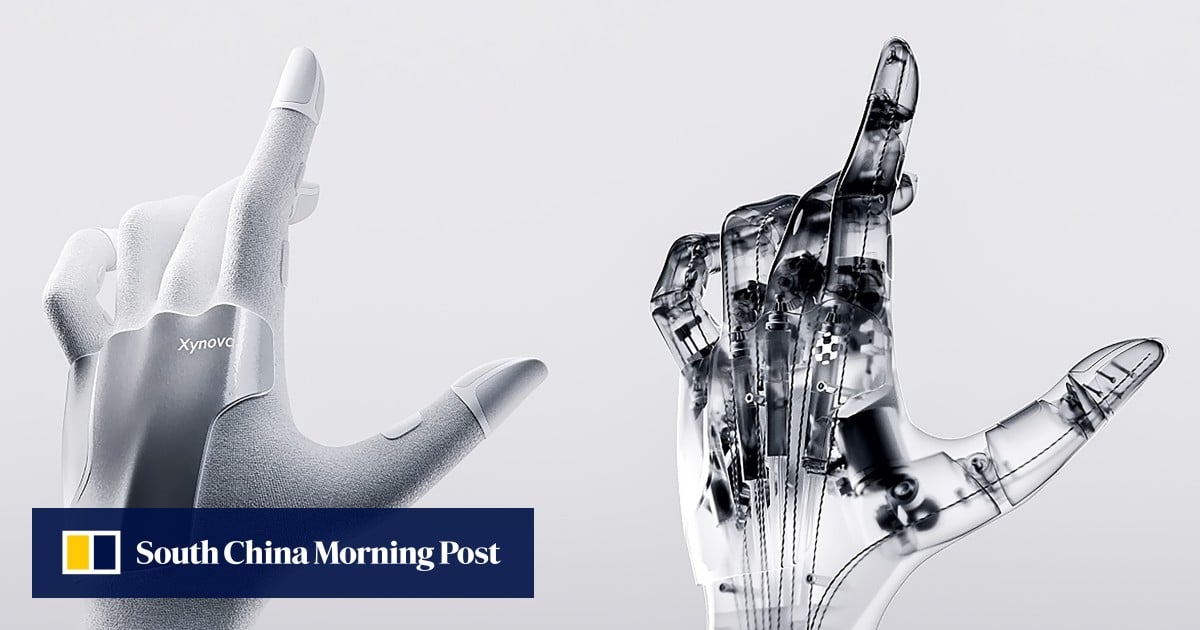
A funding surge is pushing China’s robotic-hand sector into a fierce race, with venture capital and industrial backers piling into the toughest part of humanoid hardware. Xynova’s latest round and AgiLink’s rapid rise to unicorn status show how quickly the market is moving.
Some companies are trying to build robot hands that can do very careful jobs, like grabbing tiny things or moving fingers like a person does. That part is very hard, so many investors are racing to help fund it.
One company called Xynova just got more money, and another called AgiLink grew so fast that it became a unicorn very quickly. A unicorn is a private company worth more than one billion dollars.
It is like a crowded contest where everyone wants to be first to make the best robot hand. The article says the contest is moving unusually fast, which shows how important this piece of robot technology has become.
Analysis
What happened
South China Morning Post reports that investors in China are rapidly backing makers of dexterous robotic hands, which the article describes as the toughest bottleneck in the global humanoid hardware race. The latest example is Xynova, a Hangzhou-based startup that said it completed a Series A round with investors including the venture arms of Xiaomi and Li Auto.
According to the article, Xynova has now raised nearly 1 billion yuan, or about US$148 million, and announced this round only two months after its previous one. The pace suggests that larger players are moving quickly to secure positions in the sector before valuations rise further.
Why the sector is heating up
The piece says the funding boom reflects a broader shift in how hard-tech startups are financed in China. It cites AgiLink, backed by humanoid robot maker AgiBot, as another fast-moving example: reports from The Paper and other state-run media said the company’s valuation has passed US$1 billion.
AgiLink, which was spun off from AgiBot in January, has reportedly completed four funding rounds since then. Wu Meimei, a senior analyst at ITJuzi, says that reaching unicorn status in under 150 days is unprecedented in the humanoid component sector.
Broader signal
The story frames robotic hands as a key strategic component in humanoid machines, not a niche accessory. The central takeaway is that both capital and industrial backing are concentrating on the most difficult hardware problem, and that the race to build capable robot hands is now moving at unusual speed.
Key points
- China’s dexterous robotic-hand sector is attracting aggressive funding from venture capital and industrial companies.
- Xynova said it closed a Series A round with investors including Xiaomi and Li Auto venture arms, bringing total funding to nearly 1 billion yuan.
- AgiLink reportedly crossed the US$1 billion valuation mark after four rounds of funding since being spun off from AgiBot in January.
- The article says robotic hands are the hardest bottleneck in humanoid hardware and a focal point of the global race.
- An ITJuzi analyst said becoming a unicorn in under 150 days is unprecedented in the humanoid component sector.