University of Melbourne ‘sharply’ changed protest policies after pro-Palestine sit-ins, commission hears
The University of Melbourne's interim vice-chancellor told the royal commission into antisemitism that pro-Palestine sit-ins on campus led to the institution 'quite sharply' changing its response to protests.
Intelligence analysis by Llama
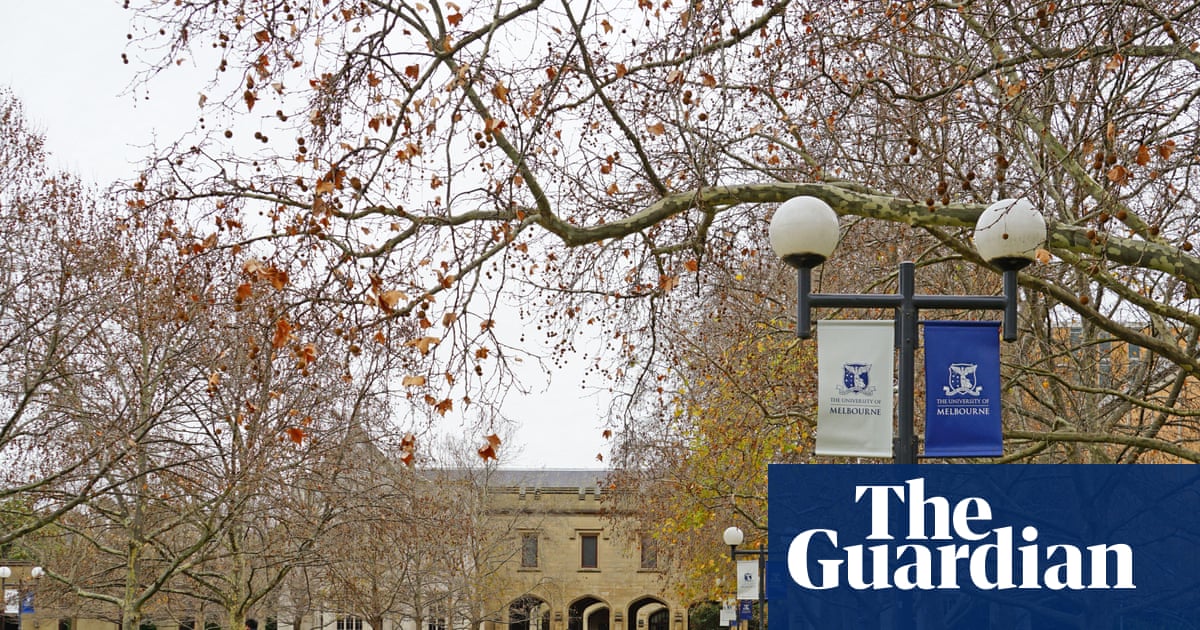
The University of Melbourne's interim vice-chancellor, Prof Glyn Davis, testified before the royal commission into antisemitism, stating that pro-Palestine sit-ins on campus led to a significant change in the university's response to protests. The university has since prohibited outsiders from protesting on campus, banned camping onsite, and protesting indoors, with students or staff …
The University of Melbourne changed its rules about protests after some students sat in on campus for a long time, calling for the university to cut ties with Israel. The university now says that outsiders can't protest on campus, and students who break the rules might get in trouble.
Analysis
A Shift in Policy
The University of Melbourne's interim vice-chancellor, Prof Glyn Davis, testified before the royal commission into antisemitism, stating that pro-Palestine sit-ins on campus led to a significant change in the university's response to protests. The university has since prohibited outsiders from protesting on campus, banned camping onsite, and protesting indoors, with students or staff who breach the new rules risking disciplinary action.
The decision to change the university's policy was made after a pro-Palestine encampment was established on the South Lawn in 2024. The encampment called for the university to cut ties with Israel and weapons companies. Prof Davis stated that the university's aim 'at every point' was to end the protests without violence, citing the potential for violent confrontations in the United States and other places.
The university's response to the protests was not without controversy. Prof Davis confirmed that misconduct, including 'heckling and harassment,' occurred during the encampment, but stated that the incidents were 'not claimed to be antisemitic' and did not breach the university's racism policy.
The Impact on Academic Freedom
The University of Melbourne's decision to change its policy has significant implications for academic freedom. The university's vice-chancellor, Prof Glyn Davis, stated that the university had revisited its wifi policies and was now providing clear warning when it was being used and for what purpose. He also flagged further reforms to the university's rules on postering, following a request from a Jewish physics professor, Steven Prawer, to identify organisations or individuals who authored posters.
Prof Davis stated that it 'beggared belief' an academic could be treated how Prawer was, and whether to require author identification on posters was a 'dilemma' that hadn't been settled. He also disagreed that the identity of the 20 protesters who occupied Prawer's office should be revealed, lest it 'make a stain on the rest of their lives'.
The Way Forward
The University of Melbourne's response to the royal commission's findings may inform policies and procedures for universities across Australia. The higher education sector has been in the spotlight since 2024, with a parliamentary inquiry into antisemitism at Australian universities recommending universities adopt a definition of antisemitism that 'closely aligns' with the International Holocaust Remembrance Alliance definition.
The federal government has also established an antisemitism education taskforce and backed the special envoy Jillian Segal's plan to combat antisemitism, which included specific actions for the university sector. The National Tertiary Education Union's UoM branch president, David Gonzalez, stated that Jewish students and staff had an 'absolute right to be safe' which should not be 'negotiable'.
Key points
- The University of Melbourne's interim vice-chancellor testified before the royal commission into antisemitism, stating that pro-Palestine sit-ins on campus led to a significant change in the university's response to protests.
- The university has prohibited outsiders from protesting on campus, banned camping onsite, and protesting indoors, with students or staff who breach the new rules risking disciplinary action.
- The university's decision to change its policy was made after a pro-Palestine encampment was established on the South Lawn in 2024.
- The university's response to the protests was not without controversy, with misconduct, including 'heckling and harassment,' occurring during the encampment.
- The university's vice-chancellor, Prof Glyn Davis, stated that the university had revisited its wifi policies and was now providing clear warning when it was being used and for what purpose.
The University of Melbourne's response to the royal commission's findings may lead to a more inclusive and safe environment for Jewish students and staff. The university's decision to change its policy and provide clear warning when using wifi may also promote academic freedom.
The University of Melbourne's decision to change its policy may lead to further restrictions on protests and academic freedom. The university's refusal to reveal the identity of the 20 protesters who occupied a Jewish professor's office may also perpetuate a culture of fear and intimidation.