Unlike the FTX collapse, the $89 million Coldcard exploit has investors sending bitcoin back to exchanges
A Coldcard hardware wallet exploit has led some Bitcoin holders to move funds to exchanges, a reversal of the trend seen after the FTX collapse. The incident highlights ongoing security concerns in self-custody solutions.
Intelligence analysis by Gemini 2.5 Flash Lite
The recent multi-million dollar Coldcard hardware wallet exploit has triggered a notable shift in investor behavior, with smaller Bitcoin holders moving their assets onto exchanges for perceived safety. This is a direct contrast to the post-FTX collapse trend where investors prioritized self-custody, underscoring the evolving landscape of security concerns within the cryptocurrency sp…
Imagine you have a special piggy bank (your hardware wallet) to keep your money safe. But, a sneaky trick was found that could let someone guess your piggy bank's secret code. So, even though your piggy bank is usually super safe, some people are worried and are putting their money in a big bank (an exchange) for a little while, just to be extra sure it's protected.
Analysis
A Reversal of Fortunes: From Self-Custody to Centralized Shelters
The cryptocurrency market is witnessing a peculiar behavioral shift in the wake of the Coldcard hardware wallet exploit. Unlike the widespread exodus to self-custody following the FTX collapse in late 2022, current data indicates a significant influx of Bitcoin back onto centralized exchanges. This reversal is primarily driven by smaller Bitcoin holders, often referred to as 'plebs,' who are prioritizing perceived safety over the traditional benefits of self-custody after a substantial exploit compromised the security of a popular hardware wallet.
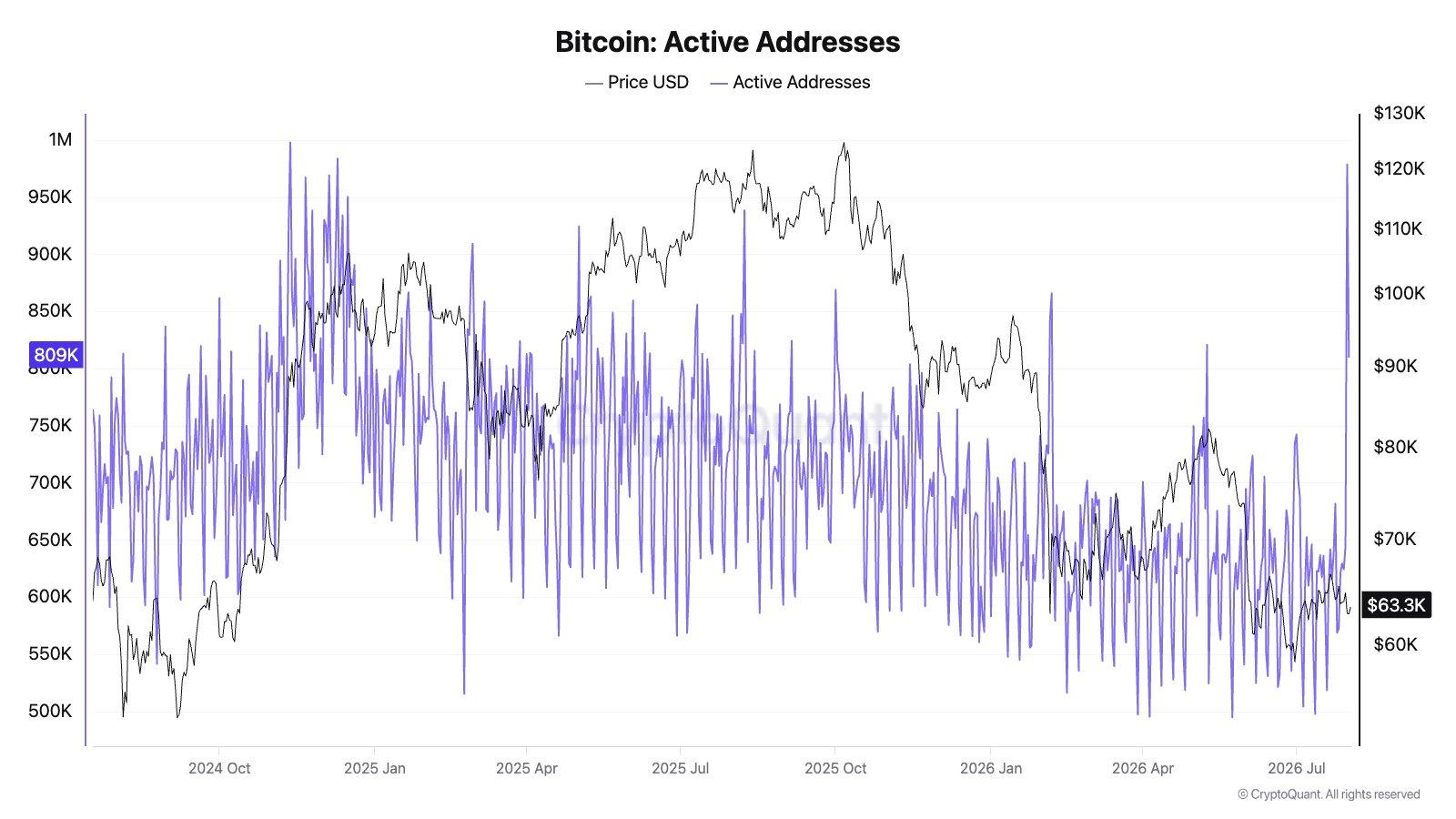
Blockchain analytics firm CryptoQuant reported a surge in daily exchange deposits of Bitcoin transfers under 10 BTC, reaching the highest levels since February 6. This trend, coupled with a spike in daily active addresses, suggests a palpable fear among a segment of investors. The narrative has shifted from 'not your keys, not your coins' to a more cautious approach where the perceived risk of a compromised self-custody solution outweighs the risks associated with centralized platforms, at least in the short term.
The Coldcard Catastrophe: A Seed of Doubt in Self-Custody
The Coldcard exploit, which began on Friday, July 30, involved a firmware bug that weakened the generation of seed phrases on affected devices. Attackers exploited a flaw dating back to March 2021, causing some Coldcard units to revert to a predictable software random number generator instead of a hardware-based one. This reduced the entropy of the seed, making it possible for attackers to reconstruct likely seed phrases offline and derive private keys without physical access to the device. The estimated losses range from 1,000 to 1,300 BTC, amounting to roughly $70 to $90 million across over 1,000 addresses, with attacks potentially ongoing.
This incident has cast a shadow over the security of hardware wallets, prompting prominent figures like Binance Founder CZ to advocate for wallet diversification. The vulnerability, specific to certain Coldcard units and not a systemic failure of all hardware wallets, has nonetheless created a ripple effect of caution, leading users to re-evaluate their personal security strategies and the inherent risks of storing digital assets outside of regulated environments.
On-Chain Echoes: The 'Plebs' React
The on-chain data paints a clear picture of investor reaction. The volume of Bitcoin transactions smaller than 1 BTC on Friday reached nearly 40,000 BTC, a figure not seen since the immediate aftermath of FTX's bankruptcy filing. This indicates that the 'small' holders, who were previously encouraged to embrace self-custody, are now the most vocal in their concern, moving their funds to exchanges. Total net inflows to exchanges on July 31 were substantial, with major platforms like Binance, River, Kraken, and OKX seeing significant deposits.
The total number of BTC held in wallets tied to centralized exchanges has seen a modest increase, reflecting this cautious migration. While the Coldcard incident is specific and does not represent a failure of the entire self-custody ecosystem, it serves as a stark reminder that security is an ongoing battle. The market's reaction highlights the delicate balance investors strike between the control offered by self-custody and the convenience and perceived safety of centralized entities, especially when trust in self-custody solutions is shaken.
Key points
- A Coldcard hardware wallet exploit has led to an estimated $70-$90 million in Bitcoin losses.
- The exploit involved a flaw in the random number generator used for creating seed phrases.
- Unlike the FTX collapse, investors are moving Bitcoin onto exchanges for safety, not away from them.
- Small Bitcoin transfers to exchanges have surged, mirroring activity seen after the FTX bankruptcy.
- The incident raises broader questions about the security of self-custody solutions in the crypto market.
The incident could spur innovation in hardware wallet security, leading to more robust and user-friendly solutions. It might also encourage a more diversified approach to crypto storage, with users employing multiple methods to mitigate risk.
A prolonged loss of confidence in hardware wallets could lead to a significant shift away from self-custody, potentially increasing systemic risk on centralized exchanges. It could also deter new users from entering the crypto space due to perceived security complexities.