Upstream Suppliers Sell 200 Tons of Beer Syrup as HEYTEA, Luckin and China's New Tea Brands Pile Into 'Selling Alcohol'
Major Chinese new-style tea brands including Luckin Coffee, HEYTEA, Chagee, Guming, and Mixue are racing to launch beer-flavored or alcohol-infused drinks, with one upstream supplier reporting over 200 tons of hops syrup shipped in the first half of 2026. Most products us…
Intelligence analysis by Llama
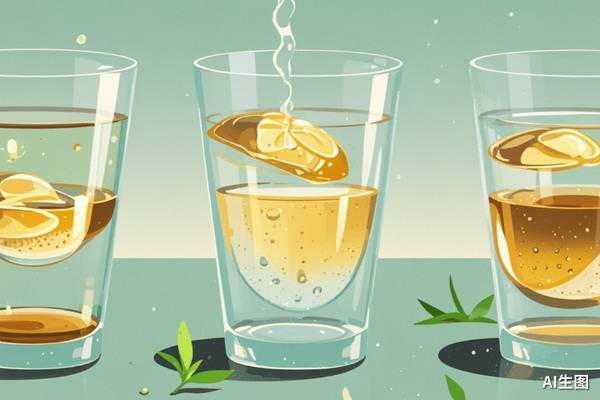
Triggered by the World Cup and a saturated tea-drink market, Chinese chains are flooding menus with beer-flavored beverages. Suppliers report a 200-ton surge in hops syrup demand, though most products stop short of containing real alcohol.
Imagine a bunch of bubble tea shops in China decided to make drinks that taste like beer, because lots of young people now like to relax with a small drink after work. The shops use special syrups to make it taste like beer, and only a few add real alcohol. So far it's a fun trend, but most of the drinks are just beer-flavored, not actually boozy.
Analysis
The Summer 2026 Beer-Flavor Rush
Between May and July 2026, a striking number of Chinese new tea-drink brands lined up to launch beer-flavored or alcohol-containing products within weeks of each other. Luckin Coffee went first on May 18, rolling out two cocktail-style drinks nationwide, one variant spiked with 15ml of 43-degree London dry gin at roughly 0.5% ABV. Chagee followed on June 5, just before the World Cup, with two pineapple and green-plum drinks using hop-flavored syrup at 18 yuan a cup. Grandpa No Bubble Tea, Shuxia, Yihetang, HEYTEA, and Guming all followed in quick succession, with HEYTEA's Corona-collaboration "Tipsy Yellow Peach" reportedly selling out at most Guangzhou stores. The supply-side signal is even more concrete: ingredient maker Yi Tang Tianxia disclosed that shipments of tea-drink-specific hop syrup and beer-flavor bases exceeded 200 tons in the first half of 2026, after being limited to small-batch product testing in 2025.
Why Now: World Cup, Saturation, and Solo Sipping
The World Cup provided the obvious marketing hook, and brands leaned in directly. HEYTEA scheduled some buy-one-get-one promotions for after 6 p.m. to coincide with evening match viewing, while Chagee's copy explicitly framed its drinks as a "non-alcoholic World Cup companion." But the article argues World Cup was just the spark; the underlying cause is industry anxiety. After years of breakneck expansion, China's new tea-drink market is now oversaturated, with store counts rising faster than consumer demand, pushing the sector into a stock-competition phase where every chain is searching for new consumption occasions. A second tailwind is the changing shape of Chinese drinking culture. According to the 2026 China Low-Alcohol Beverage Industry Report by Qince Consumer Research, solo drinking already accounts for 38% of low-alcohol consumption, concentrated between 8 p.m. and 11 p.m., with women making up 72% of consumers and 25-to-30-year-olds representing 42% of the segment. Where alcohol once meant banquets and toasts, it now signals post-work relaxation and personal reward, a shift the tea brands are explicitly trying to monetize.
The Limits of the Buzz
The hype comes with real constraints. Most products are, in the article's words, a kind of "pseudo-intoxication" built on hop syrup and malt bases rather than real alcohol, so a consumer who actually wants a beer will buy a beer, and one who wants milk tea may not specifically want beer flavor. One Xiaohongshu reviewer concluded bluntly that nearly all the major products tasted like the same hop syrup, with no clear winner. Adding genuine alcohol creates its own headaches: even at 0.5% or 1% ABV, stores must implement age verification, disrupting the speed and standardization that define the new tea-drink model. Flavor balance, batch consistency, cold-chain handling, and store-level operating procedures all get harder. As a result, products with real alcohol mostly appear as regional tests, festival limited editions, or co-branded drops, marketing events more than permanent menu items. The bigger signal, the article concludes, is not that beer flavor will dominate forever, but that the tea-drink industry's pivot toward occasion-based innovation is here to stay.
Key points
- Luckin, HEYTEA, Chagee, Guming, and several other Chinese new tea-drink chains all launched beer-flavored or alcohol-containing products between May and July 2026.
- Ingredient supplier Yi Tang Tianxia reported over 200 tons of hop syrup and beer-flavor base shipments in H1 2026, up from small-batch testing in 2025.
- Most products use hop syrup or malt flavor bases rather than real alcohol; brands that do use real alcohol keep ABV under 1% (Guming's reported product is the exception at above 3%).
- The shift is driven by World Cup marketing opportunities, market saturation, and the rise of solo, evening 'micro-intoxication' drinking among young Chinese consumers, especially women.
- Adding real alcohol complicates store operations through age-verification requirements and raises supply-chain and product-consistency challenges, so most launches are limited regional or seasonal drops.
If even a small share of low-alcohol solo-sipping demand migrates to tea-drink channels, the category could open a durable new evening occasion for chains and lift average ticket prices beyond the usual 15-to-20-yuan range. Suppliers of hop syrups and flavor bases are likely to benefit most in the near term, given the 200-ton shipment milestone already logged in the first half of 2026.
Heavy product homogeneity, the dominance of non-alcoholic formulations that can be undercut by actual beer, and operational friction from age verification on real-alcohol SKUs all risk turning the trend into a short-lived novelty. Brands that overcommit to alcohol-infused menus could see store-level efficiency erode, while suppliers face the risk of a sudden inventory correction if the World Cup halo fades.