Uranium: Niger and Australian Atomic Eagle Relaunch Madaouela Deposit
Niger and the Australian company Atomic Eagle have signed a new agreement to restart the Madaouela uranium project, increasing the state's stake to 40%. This move follows the revocation of Atomic Eagle's previous permit and aligns with the junta's push for greater control…
Intelligence analysis by Gemini 2.5 Flash
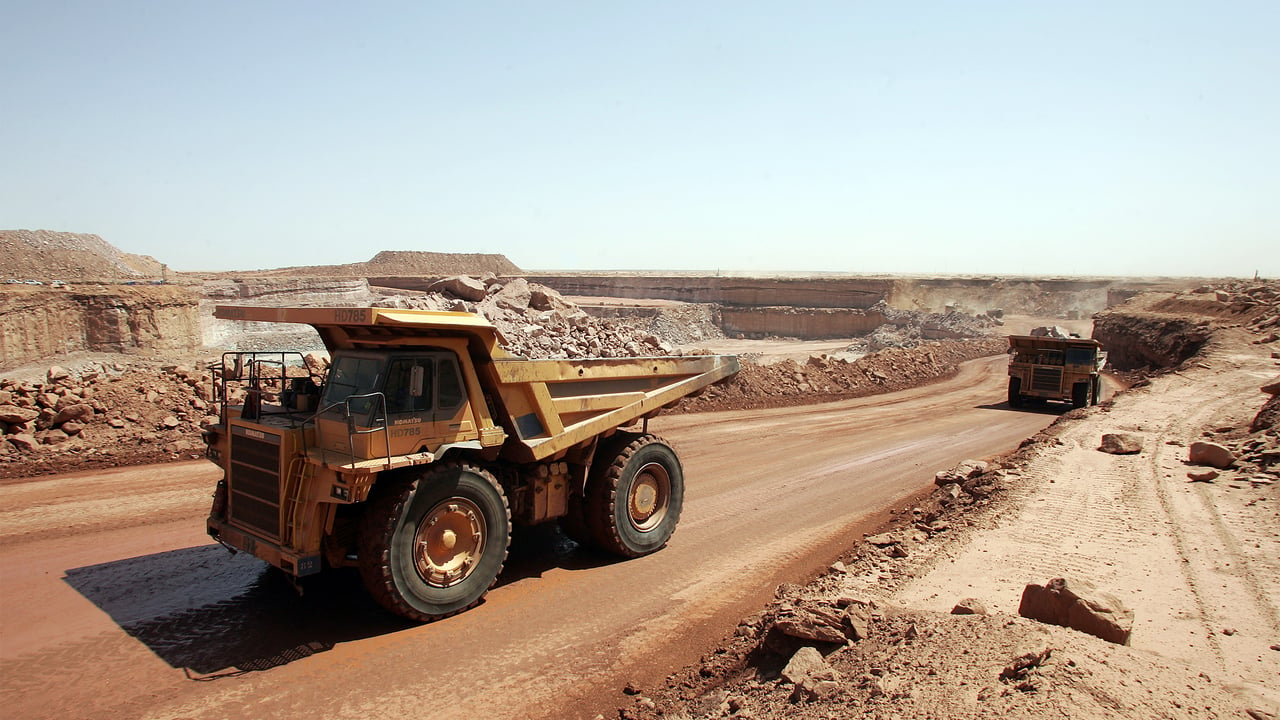
The military junta in Niger, which seized power in July 2023, is asserting its sovereignty over the nation's mineral wealth, particularly uranium. After revoking the operating permit for the Madaouela deposit from GoviEx (now Atomic Eagle), new negotiations have led to a revised agreement that significantly boosts the state's participation in the project.
Imagine Niger has a special treasure underground: uranium, which is like super-fuel for power plants. A company from Australia, Atomic Eagle, wanted to dig it up. But Niger's new leaders said, "Hold on! We want a bigger share of this treasure." So, they made a new deal where Niger gets more of the treasure and promises to create jobs for its people, even though they're still having a big argument with another French company about their treasure.
Analysis
The relaunch of the Madaouela uranium project marks a significant step in Niger's strategy to reassert control over its natural resources. The new agreement with Atomic Eagle, an Australian firm, comes after a period of heightened tensions and a previous permit revocation, demonstrating the junta's resolve to renegotiate terms more favorable to the state. This move is part of a broader trend across resource-rich African nations seeking greater equity and benefits from their mineral wealth, challenging long-standing agreements with international corporations.
Madaouela Mining Company
The Madaouela Mining Company (Mamico), the entity responsible for the uranium project, will now see a substantial increase in the Nigerien state's ownership. Under the new convention, the state's participation has risen from 20% to 40%, with Atomic Eagle retaining 60% and operational control. This revised structure reflects the government's demand for a more equitable partnership, aiming to ensure that a larger share of the profits and strategic decisions remain within the country. The agreement also includes an initial payment of $10 million, commitments to strengthen the mining administration, and local development initiatives.
Atomic Eagle
Atomic Eagle, formerly known as GoviEx, faced the revocation of its operating permit for the Madaouela deposit in July 2024 (as per the article, though likely a typo for 2023 or an earlier date given the publication date). This action by the Nigerien authorities prompted the company to initiate international arbitration proceedings. However, subsequent technical, legal, and economic discussions led to a resolution that preserves the state's interests while creating conditions for the project's resumption. The company's decision to re-engage under new terms underscores the strategic importance of the Madaouela deposit and the potential for mutually beneficial agreements even amidst political shifts.
Orano
The situation with Atomic Eagle is set against the backdrop of an ongoing power struggle between Niger's junta and the French nuclear giant Orano, which holds a 90% stake in its subsidiary Somaïr. In June, the junta reportedly decreed the forced nationalization of Somaïr, leading Orano to initiate several legal procedures to defend its rights. This broader conflict highlights the challenges foreign companies face in Niger, as the government seeks to redefine its relationships with international partners and assert greater sovereignty over its valuable uranium reserves, a critical resource for global energy markets.
Key points
- Niger and Australian firm Atomic Eagle signed a new agreement to restart the Madaouela uranium project.
- The Nigerien state's participation in the Madaouela Mining Company (Mamico) increased from 20% to 40%.
- The new convention includes an initial payment of $10 million and aims to create approximately 1,000 jobs.
- This development follows the junta's revocation of GoviEx's (now Atomic Eagle) previous permit and a subsequent international arbitration process.
- The agreement is set against a backdrop of Niger's military government asserting greater control over mineral resources and an ongoing dispute with French company Orano.
The new agreement could lead to increased revenue and job creation for Niger, fostering local development and strengthening the country's economic sovereignty. For Atomic Eagle, it provides a pathway to resume operations in a key uranium-producing region, potentially stabilizing future supply for the global market.
Despite the new agreement, the broader political instability and ongoing disputes with other foreign companies, like Orano, could deter future foreign investment in Niger's mining sector. Legal challenges and the potential for further nationalizations might create an unpredictable operating environment, impacting long-term project viability.
Market signals
- Uranium The relaunch of the Madaouela deposit, alongside ongoing disputes with other foreign companies, highlights political risks in a key uranium-producing nation, potentially impacting global supply stability.
AI-generated analysis of potential market relevance. Not financial advice.

