US added 172,000 jobs in May as labor market shows signs of resilience
US employers added 172,000 jobs in May and unemployment stayed at 4.3%, beating forecasts and signaling hiring remains resilient.
Intelligence analysis by GPT-5.4 Mini
May hiring came in well above expectations, with gains in leisure and hospitality, local government, and healthcare. The report suggests the US labor market is still holding up even as inflation, Middle East conflict, and market volatility cloud the outlook.
The jobs report is like a scoreboard for work. More people got jobs than expected, so the labor market still looks steady, even while prices rise and the economy feels bumpy.
Analysis
Labor market beats forecasts
US employers added 172,000 jobs in May, far above the roughly 80,000 economists had expected. The unemployment rate held at 4.3%, which the article presents as evidence that hiring is still resilient despite higher inflation and wider economic uncertainty.
The report was strengthened by revisions to earlier months: March was raised by 29,000 jobs and April by 64,000, adding 93,000 jobs to the prior estimate. That makes the recent run of hiring look firmer than the first releases suggested.
Where the jobs came from
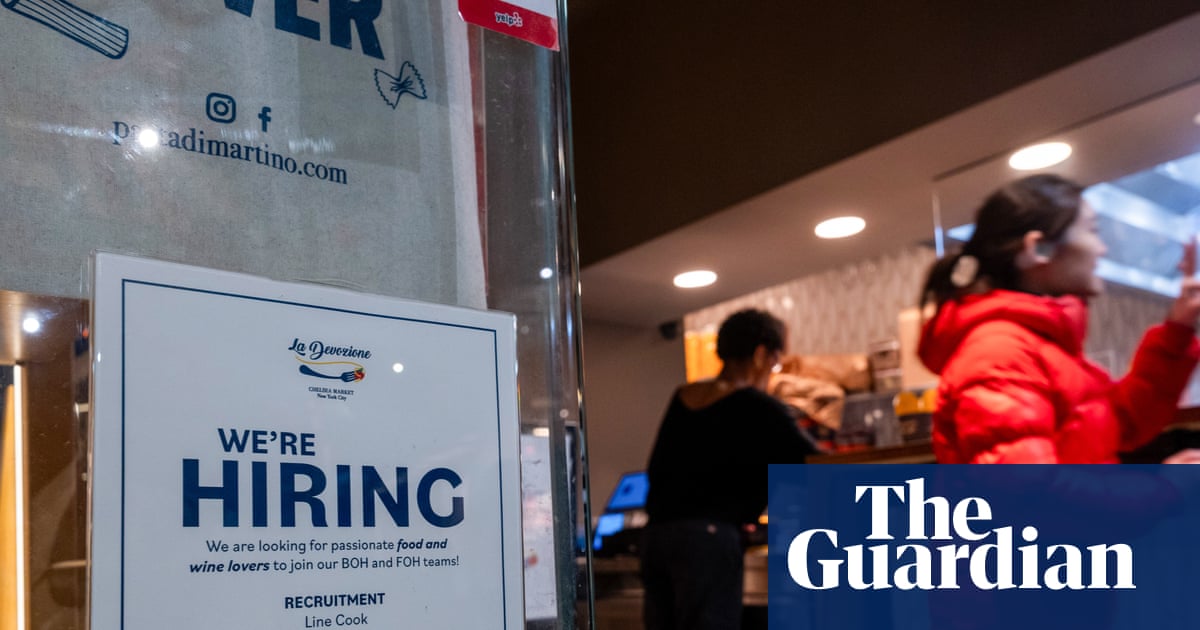
The biggest gains were in leisure and hospitality, which added 70,000 jobs, including 48,000 in food services and drinking places. Local government and healthcare also posted increases. The article says this fits with other recent data showing solid labor demand, including April job openings rising to 7.6 million.
Private payroll firm ADP reported 122,000 private-sector jobs added in May. Its chief economist said hiring was broader-based than in recent years and that momentum continued into the summer hiring season.
Policy and market backdrop
The jobs report arrives as economists expect the Fed to keep rates unchanged at its June 16-17 meeting. The article says Trump and his advisers want rate cuts, but economists think a cut is unlikely to win enough votes among the Fed’s policymakers. The piece also notes that US stocks fell sharply after a sell-off in AI chip stocks, showing that strong employment data did not calm broader market nerves.
Key points
- US employers added 172,000 jobs in May, well above forecasts.
- Unemployment stayed at 4.3%, suggesting the labor market remains steady.
- March and April job figures were revised up by a combined 93,000.
- Leisure and hospitality led hiring, with additional gains in government and healthcare.
- Economists still expect the Fed to hold rates steady at its June meeting.
If hiring keeps spreading across sectors, the labor market could keep supporting household spending through the summer. The upward revisions to March and April also suggest the economy may be stronger than the first reports showed.
If inflation and geopolitical uncertainty keep building, the Fed may stay cautious and leave rates unchanged for longer. The article also shows that strong jobs data does not prevent market stress, as stocks still fell sharply after the report.