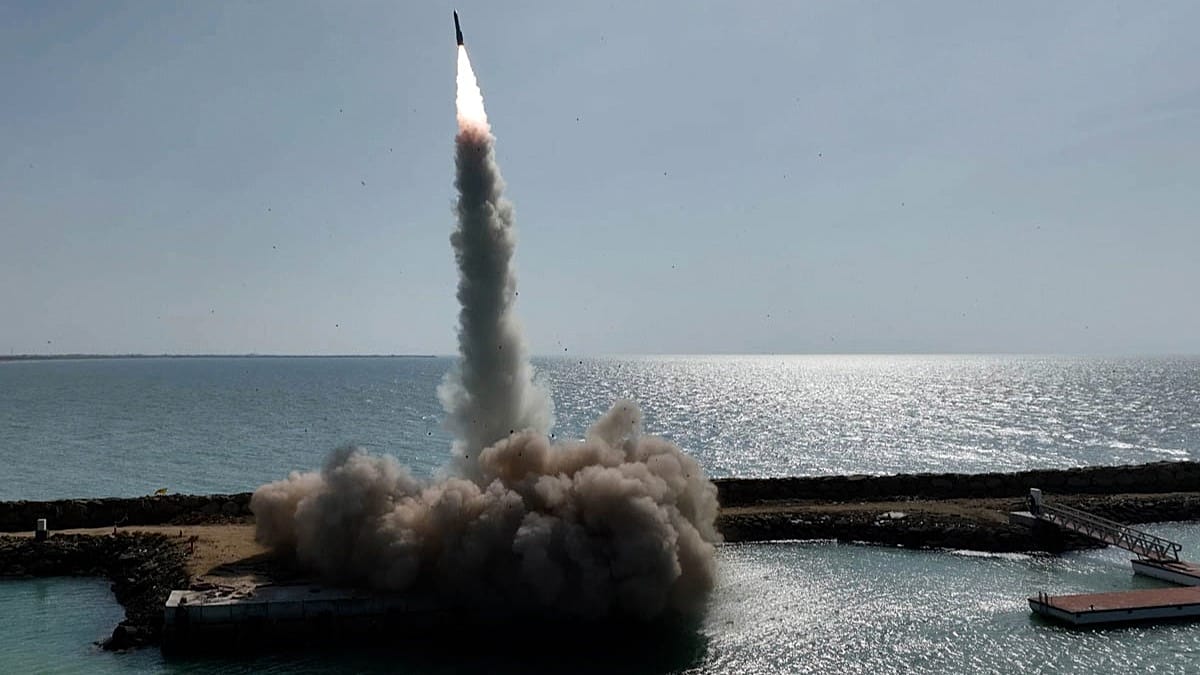
US and Iran trade strikes again as Washington avenges American deaths
The US and Iran have traded strikes again, with Washington avenging American deaths and Iran accusing the US of violating an interim peace deal. The deal, which was meant to pause the fighting, has collapsed, and neither side is backing down.
Intelligence analysis by Llama
The US and Iran have traded strikes again, with Washington avenging American deaths and Iran accusing the US of violating an interim peace deal. The deal, which was meant to pause the fighting, has collapsed, and neither side is backing down. The US has bombed Iran for an eighth straight night, and Iranian forces have struck US allies across the Persian Gulf region.
Imagine two countries, the US and Iran, who are fighting over a very important waterway called the Strait of Hormuz. The US wants to make sure that oil can still flow through the strait, while Iran wants to stop the US from doing that. They keep striking each other, which makes the situation very unstable and could affect the global economy.
Analysis
A Cycle of Retaliation and Escalation
The US and Iran have been locked in a cycle of retaliation and escalation, with each side refusing to back down. The latest strikes by the US have targeted Iranian coastal surveillance and air defense sites, maritime capabilities, and missile and drone storage facilities. Iran has responded by striking US allies across the Persian Gulf region, including a Kuwaiti power and water desalination plant, which has sparked a fire in a country that relies on desalination for about 90 percent of its drinking water.
The Implications of Escalation
The ongoing conflict between the US and Iran has significant implications for global oil markets and regional stability. The collapse of the interim peace deal has raised concerns about the potential for further escalation and the impact on the global economy. The US Energy Secretary has insisted that oil is still moving through the Hormuz channel, but the situation remains volatile. Iran's atomic energy agency has reported that US strikes hit the unfinished Darkhovin nuclear power plant, which holds no nuclear material and poses no radiological risk.
The Road Ahead
The situation remains uncertain, with neither side willing to back down. The US has made it clear that it will continue to take action against Iran, while Iran has vowed to respond to any further aggression. The international community is watching the situation closely, with many countries calling for a peaceful resolution to the conflict.
Key points
- The US and Iran have traded strikes again, with Washington avenging American deaths and Iran accusing the US of violating an interim peace deal.
- The deal, which was meant to pause the fighting, has collapsed, and neither side is backing down.
- The US has bombed Iran for an eighth straight night, and Iranian forces have struck US allies across the Persian Gulf region.
- The ongoing conflict between the US and Iran has significant implications for global oil markets and regional stability.
If the US and Iran can find a way to negotiate a peaceful resolution to the conflict, it could lead to a significant reduction in tensions and a more stable global economy. The US Energy Secretary has insisted that oil is still moving through the Hormuz channel, which suggests that the situation is not as dire as it seems.
The ongoing conflict between the US and Iran has significant implications for global oil markets and regional stability. The collapse of the interim peace deal has raised concerns about the potential for further escalation and the impact on the global economy. If the situation continues to escalate, it could lead to a significant increase in oil prices and a more unstable global economy.