U.S. and Iran Trade Strikes in Strait of Hormuz for First Time in Weeks
U.S. strikes Iran in Strait of Hormuz, Iran retaliates with strikes on U.S. bases. Supertanker hit by sea mines in Hormuz.
Intelligence analysis by Qwen 2.5 (3B)
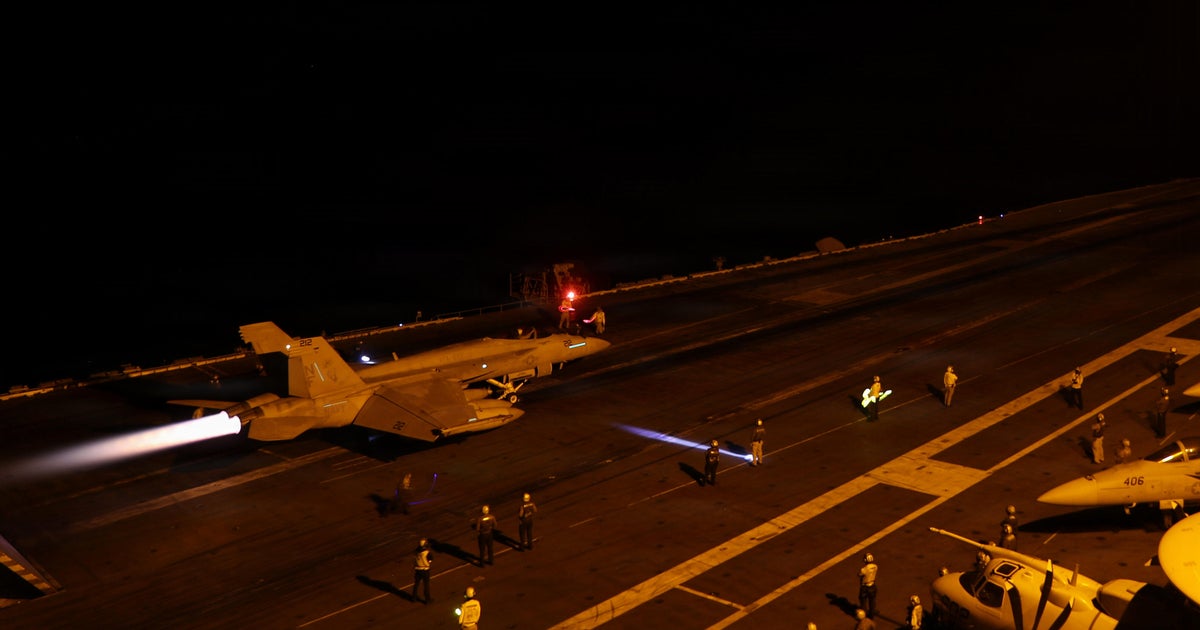
U.S. and Iran engage in renewed conflict in Strait of Hormuz, with U.S. strikes on Iranian launchers and Iran's response with strikes on U.S. bases.
The U.S. and Iran are fighting over a narrow waterway where a lot of oil ships go. The U.S. attacked Iran, and Iran attacked the U.S. back. This is causing problems for oil prices and making the area less safe for ships.
Analysis
{"heading":"The Struggle for Control of the Strait of Hormuz","subheading":"Background and Context","content":["The Strait of Hormuz is a crucial waterway for global oil trade, with over 40% of the world's oil exports passing through it. Its strategic importance has led to frequent tensions between the U.S. and Iran.","In recent weeks, the U.S. has shifted its strategy to 'economic warfare' against Iran, imposing new sanctions to pressure the country into compliance with international norms.","Iran's response has been to target U.S. military bases in Jordan and the United Arab Emirates in retaliation for the U.S. strikes on Larak Island."]}
Key points
- U.S. strikes Iranian launchers in Strait of Hormuz
- Iran retaliates with strikes on U.S. bases in Jordan and UAE
- Supertanker hit by sea mines in Hormuz
If both sides can de-escalate, they might find a way to continue trading oil without conflict. This could lead to more stable oil prices and less risk for global shipping.
If tensions continue, it could lead to more strikes and even military action, which would be very dangerous and could cause a lot of damage.