U.S. and Saudi Arabia strike Iran-backed groups in Iraq after attacks on American forces
The U.S. and Saudi militaries launched joint airstrikes on Iranian-backed groups in eastern Iraq, killing at least 10 paramilitary fighters, in retaliation for more than 30 attempted drone attacks on U.S. and Saudi targets.
Intelligence analysis by Llama
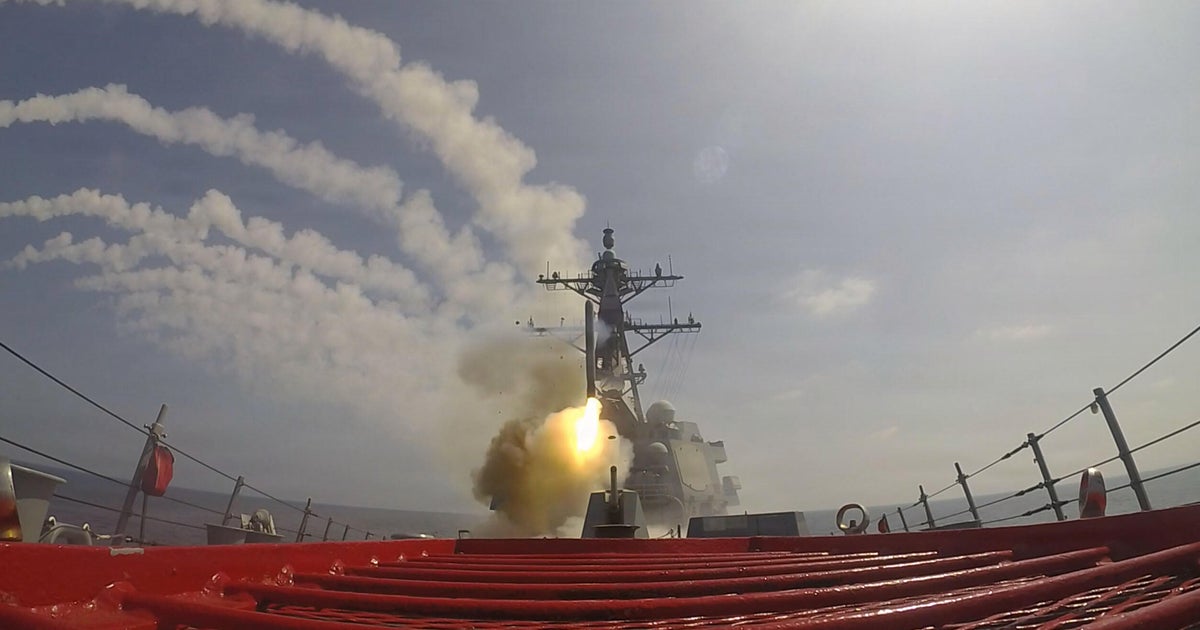
A coordinated U.S.-Saudi operation hit Iran-aligned militia logistics and weapons sites in eastern Iraq after a three-day drone barrage on U.S. forces and Saudi energy infrastructure. The strikes land during a five-day pause in direct U.S. attacks on Iran, leaving diplomacy and escalation in simultaneous play.
The U.S. and Saudi Arabia used airplanes to bomb some bad guys in Iraq who are friends with Iran. The bad guys had been sending flying robots called drones to poke at American bases and Saudi oil places, so the two countries teamed up to tell Iran, 'Stop letting your friends attack us.'
Analysis
A Coordinated Strike After a Drone Barrage
The U.S.-Saudi operation targeted "terrorist logistics and weapons sites across eastern Iraq," according to U.S. Central Command, in direct response to more than 30 attempted drone attacks on U.S. forces and Saudi energy sites over a three-day span. At least 10 members of the Iran-backed Popular Mobilisation Forces (PMF) were killed in the strikes, according to two sources quoted by the French AFP news agency. CENTCOM attributed the drone campaign to Iran's Islamic Revolutionary Guard Corps, though neither Washington nor Riyadh publicly named the specific Iraqi militias hit in the operation.
The Saudi Ministry of Defense confirmed it "conducted precise and targeted strikes," explicitly invoking its right to self-defense. That framing matters: Saudi Arabia is no longer a passive target of Iranian-aligned attacks but an active military partner with the U.S. in striking Iranian proxies on Iraqi soil. The joint operation reflects a deeper operational alignment between the two long-time Gulf security partners at a moment when their shared adversary is reaching across borders.
Diplomacy on a Knife's Edge
The strikes landed during a deliberate five-day pause in direct U.S. attacks on Iran, which President Trump said was intended to "give diplomacy some space." On Tuesday morning, Trump described recent U.S.-Iran contacts as "very good talks" and expressed optimism that the two countries could reach an agreement. Yet he simultaneously warned that the U.S. will "finish the job" if a deal fails to materialize, leaving the door open to renewed escalation at any moment.
Iran, for its part, has publicly said it is not currently seeking direct talks with Washington. That mismatch — Trump's optimism against Tehran's denials — leaves the diplomatic track fundamentally uncertain even as both sides appear to be actively preparing for further military exchanges. CENTCOM's warning that "the IRGC and its terrorist proxies must cease these attacks to avoid further U.S. military response" suggests Washington sees the latest Iraqi strikes as a warning shot rather than a closing move.
The Strait of Hormuz Calculus
One of the central sticking points in U.S.-Iran tensions, according to the article, is Iran's push to maintain control over the Strait of Hormuz, the narrow waterway through which a significant share of the world's oil flows. With Iranian-backed Houthis now firing at Saudi tankers in the Red Sea, pressure on Saudi and Gulf energy infrastructure is being applied from both flanks of the Arabian Peninsula. Saudi Arabia reported intercepting drones that targeted petroleum facilities in Riyadh and the kingdom's eastern provinces.
The combined effect — drones over Saudi oil sites, ballistic missiles intercepted en route to U.S. forces, and proxy fire in the Red Sea — points to a strategy of pressure on multiple chokepoints simultaneously. That pattern will weigh on energy markets, insurance rates for tanker traffic, and the calculus of any negotiated settlement, since neither side can credibly disengage while attacks are still landing on critical infrastructure.
Key points
- U.S. and Saudi Arabia conducted joint airstrikes on Iran-backed militia targets in eastern Iraq, killing at least 10 Popular Mobilisation Forces fighters.
- The strikes were retaliation for more than 30 attempted drone attacks on U.S. forces and Saudi energy sites over three days, which CENTCOM blamed on Iran's IRGC.
- Saudi Arabia intercepted drones targeting petroleum facilities in Riyadh and the country's east, while Iran-backed Houthis fired at Saudi tankers in the Red Sea.
- The action occurred during a five-day pause in direct U.S. strikes on Iran, as Trump said he wants to give diplomacy a chance and called recent contacts 'very good talks.'
- Key sticking points remain, including Iran's push to control the Strait of Hormuz and U.S. demands that Tehran give up uranium enrichment.
If diplomacy prevails, the strikes could serve as a calibrated warning that pushes Iran back to the negotiating table before the U.S. resumes direct attacks on Iranian targets. A successful deal would reduce the risk of energy-supply disruptions and lower the chance of a wider regional war, per the framing in the article.
If proxy attacks continue or expand, the U.S. could resume its near-nightly strikes on Iranian targets, raising the risk of a direct U.S.-Iran war. Combined threats to Saudi oil infrastructure and shipping in the Red Sea and Strait of Hormuz could disrupt global energy supply, per the article's framing.
Market signals
- OIL Saudi petroleum facilities in Riyadh and the east were targeted by drones and tanker traffic is threatened in the Red Sea and Strait of Hormuz, per the article.
- XAU Renewed U.S. military action against Iran-aligned groups and threats to Gulf energy infrastructure drive safe-haven demand, per the article's framing.
AI-generated analysis of potential market relevance. Not financial advice.