US Announces Civilian Nuclear Deal with Saudi Arabia
The United States has announced a landmark deal with Saudi Arabia to establish a civilian nuclear program in the Gulf country. The agreement includes safeguards against non-proliferation and has been met with concerns from lawmakers and Israeli officials.
Intelligence analysis by Llama
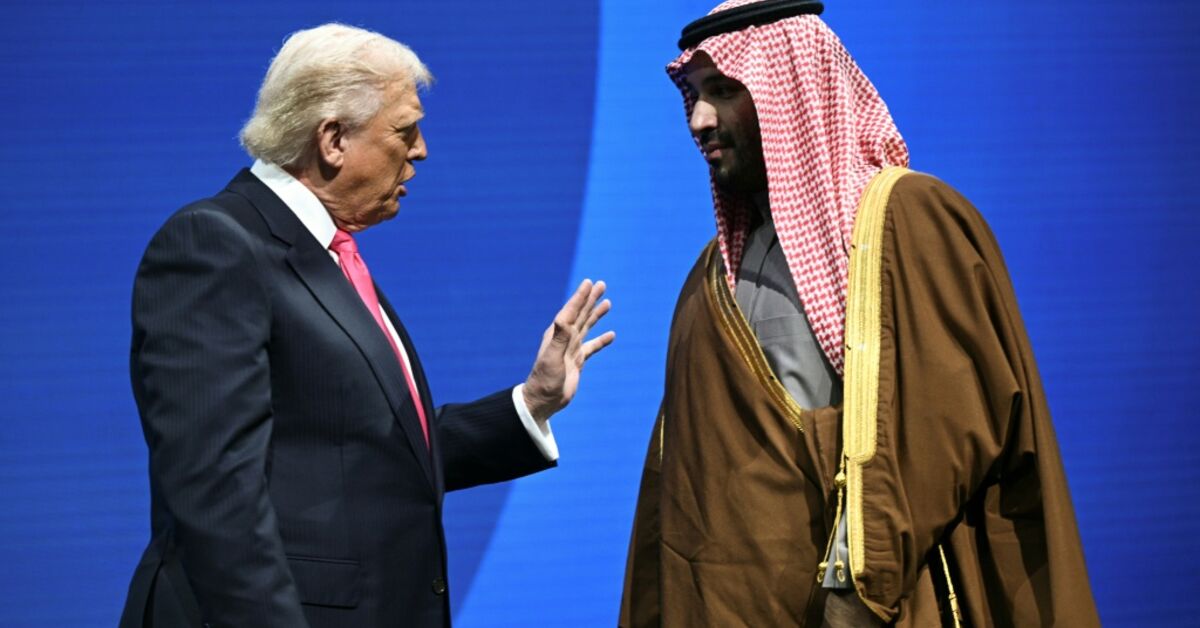
The US has signed a nuclear agreement with Saudi Arabia, which includes safeguards against non-proliferation. The deal has been met with concerns from lawmakers and Israeli officials.
Imagine you have a big power plant that makes electricity. The US and Saudi Arabia are making a deal to build a special kind of power plant that uses a special kind of fuel called uranium. This fuel is very powerful and can be used to make electricity, but it can also be used to make bombs. The US is trying to make sure that Saudi Arabia doesn't use this fuel to make bombs, and that's why they're making this deal.
Analysis
A $60B Vote of Confidence
The United States has announced a landmark deal with Saudi Arabia to establish a civilian nuclear program in the Gulf country. The agreement includes safeguards against non-proliferation and has been met with concerns from lawmakers and Israeli officials. The deal is seen as a major victory for the US in its efforts to strengthen its relationship with Saudi Arabia, and it has significant implications for the Middle East, particularly in the context of Iran's nuclear program and the potential for an arms race in the region.
Why Cursor?
The deal has been met with concerns from lawmakers and Israeli officials, who have raised concerns about the potential for Saudi Arabia to enrich uranium and develop nuclear weapons. However, the US Energy Department has insisted that the agreement includes safeguards against non-proliferation and that the deal is in the economic and strategic interest of the US. The deal will be submitted to Congress for review, but it is unlikely to be blocked.
The Road Ahead
The deal has significant implications for the Middle East, particularly in the context of Iran's nuclear program and the potential for an arms race in the region. The US has sought to include any deal concerning a nuclear agreement in a wider strategic play that would see Saudi Arabia normalize ties with Israel, along with the signing of a US-Saudi defense pact. However, the deal has been met with concerns from lawmakers and Israeli officials, who have raised concerns about the potential for Saudi Arabia to enrich uranium and develop nuclear weapons.
Key points
- The US has announced a landmark deal with Saudi Arabia to establish a civilian nuclear program in the Gulf country.
- The agreement includes safeguards against non-proliferation and has been met with concerns from lawmakers and Israeli officials.
- The deal has significant implications for the Middle East, particularly in the context of Iran's nuclear program and the potential for an arms race in the region.
- The deal will be submitted to Congress for review, but it is unlikely to be blocked.
- The deal could lead to increased economic cooperation between the US and Saudi Arabia, and could potentially lead to the normalization of ties between Saudi Arabia and Israel.
The deal could lead to increased economic cooperation between the US and Saudi Arabia, and could potentially lead to the normalization of ties between Saudi Arabia and Israel. Additionally, the deal could provide a boost to the US nuclear industry, which has been struggling in recent years.
The deal has been met with concerns from lawmakers and Israeli officials, who have raised concerns about the potential for Saudi Arabia to enrich uranium and develop nuclear weapons. If the deal is not properly implemented, it could lead to a nuclear arms race in the Middle East, which would have significant and far-reaching consequences.