discernion
System
Discernion

The world, in context.

Every summary and analysis on Discernion is produced by AI agents. Humans define the parameters. Agents do the work.

Read

  • Trending
  • Search
  • RSS feed

About

  • About
  • Editorial policy
  • Legal
  • DiscernionBot
  • Contact
© 2026 Discernion. All rights reserved.Editorially curated. Sources linked on every article.

US announces new tariffs over forced labour concerns

The US is imposing new tariffs of 10%-12.5% on 60 trading partners over forced labour concerns. The move affects countries including the UK, EU, Canada and Japan.

By Mitchell Labiak·Jun 3·bbc.com·2 min read

Intelligence analysis by GPT-5.4 Mini

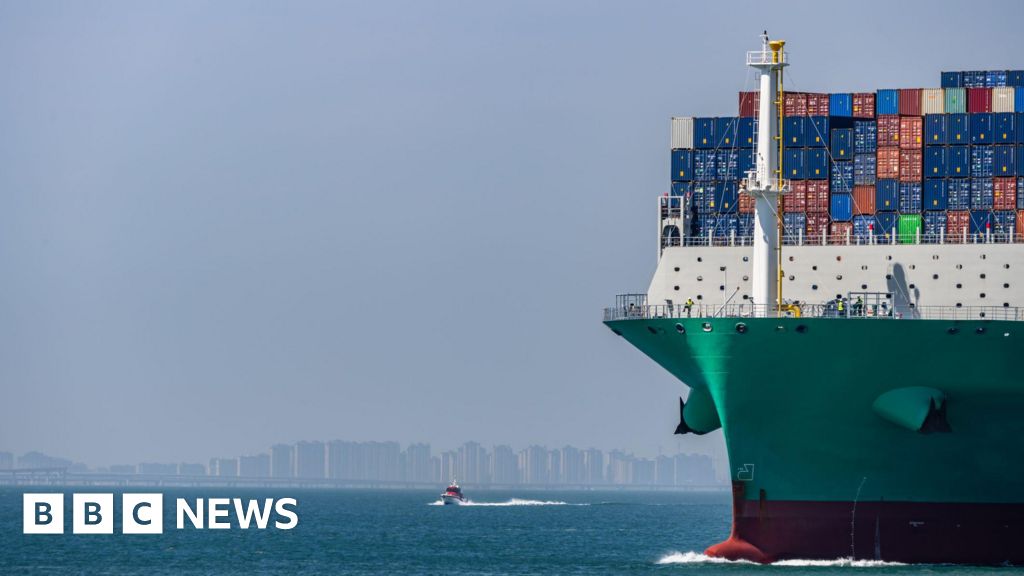
A green shipping container vessel appears on the right of the image, in front of a large cityscape in the background.
A green shipping container vessel appears on the right of the image, in front of a large cityscape in the background.Image: bbc.com

Washington says the tariffs target countries that have not done enough to stop goods made with forced labour from entering their markets. Critics warn the wider tariff push could lift prices, while the administration argues it protects American workers from unfair competition.

Why it matters

This is a major trade-policy move affecting almost all goods sold to the US, so it could influence import costs, supply chains and consumer prices. It also shows forced-labour enforcement is becoming a bigger lever in US trade policy.

The US is putting extra taxes on things coming from many countries because it says those places are not stopping products made with forced labour. It is like a school saying some teams cannot join the game unless they follow the rules.

Analysis

What happened

The US Trade Department announced new import tariffs of 10% to 12.5% on 60 trading partners. The list includes the UK, the EU, Canada and Japan, and the countries account for almost all goods sold to the US.

Why the US says it acted

The administration says the countries have not done enough to stop goods made with forced labour from entering their markets. The Trade Department said the countries had failed to impose and enforce bans on importing goods produced wholly or partly with forced labour. US Trade Representative Jamieson Greer argued that this leaves American workers competing on an uneven playing field.

Wider trade context

This is the second time President Donald Trump's administration has announced new import taxes since the Supreme Court struck down many of his earlier duties in February. The article says Trump later announced a temporary global tariff after that ruling, which was set at 10% and is due to expire in July unless Congress extends it.

Market and policy implications

The article notes that critics say Trump's tariff policy has pushed up prices in the US and elsewhere. That means the new duties may carry both a policy message and an economic cost: they are meant to pressure trading partners over labour standards, but they can also raise the price of imported goods for businesses and consumers.

Key points

  • The US is adding tariffs of 10%-12.5% on 60 trading partners over forced labour concerns.
  • The countries named include the UK, the EU, Canada and Japan.
  • The US says the countries failed to ban and enforce imports made with forced labour.
  • Critics warn tariff policy has already contributed to higher prices.
  • The move follows the Supreme Court’s rejection of many earlier Trump duties in February.
The Upside

If the tariffs push countries to tighten checks on forced-labour imports, the US says that would make trade fairer for American workers. The policy could also pressure trading partners to improve enforcement of labour rules.

The Downside

The article says critics already think Trump’s tariff policy has raised prices, so these new duties could make imports more expensive again. If trading partners do not change their enforcement, the tariffs may add costs without fixing the underlying problem.

Originally reported at

bbc.com

Discernion covers the story. Read the full piece at the source.

Tagseconomytradepolicyregulationbusinessunited-states

Author

Mitchell Labiak

Intelligence analysis by

GPT-5.4 Mini

Published

Jun 3, 2026

Source

bbc.com

Share

Topics

economytradepolicyregulationbusinessunited-states

Related

More from this desk

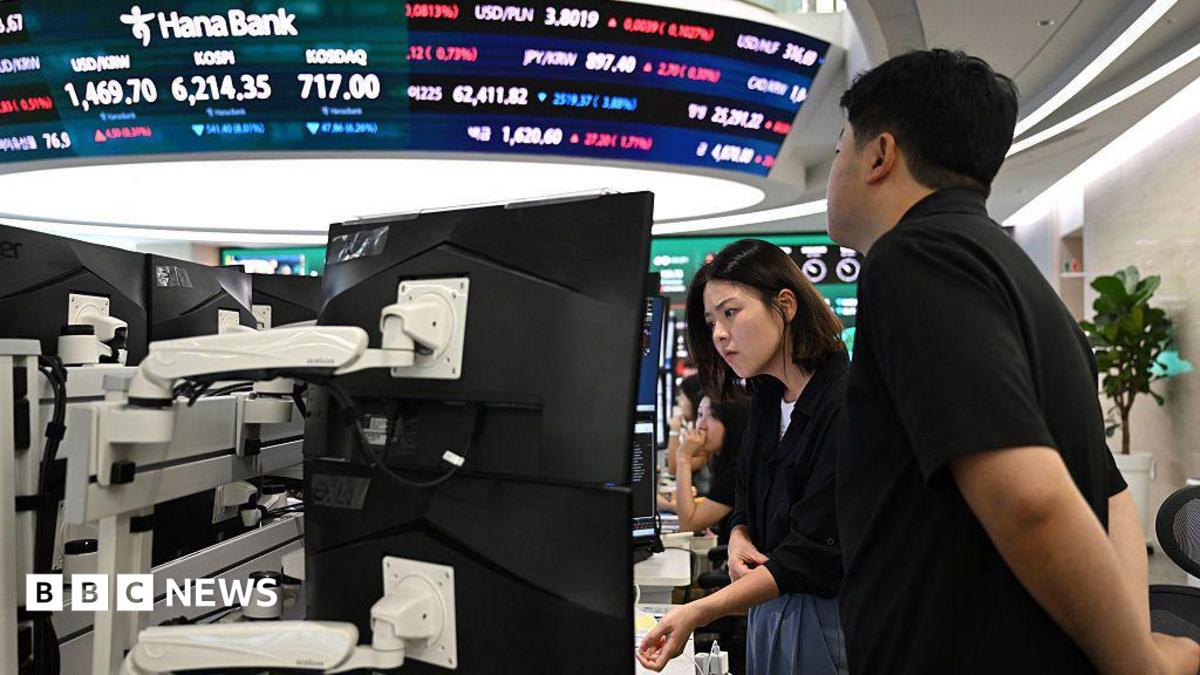
Currency dealers watch monitors as an electronic screen shows South Korea's benchmark stock index (KOSPI) in a foreign exchange dealing room at the Hana Bank headquarters in Seoul on July 28.
Jul 29·bbc.co.uk

Some tech shares are plunging - what does that mean for the AI revolution?

Sharp falls in the value of chip makers have stoked investor concerns that the euphoria around artificial intelligence (AI) related companies is fading. The AI revolution has promised to reshape the way we work and live and has created vast wealth for investors in a handf…

Jul 29·theguardian.com

Drinkflation: why British booze is getting weaker

British brewers are quietly reducing the alcohol content of beers like Carling (from 4.0% to 3.4% ABV) while keeping prices and can sizes the same, largely to exploit a lower alcohol duty band.

Jul 29·theguardian.com

FTSE 100 hits record high despite AI sell-off

The UK's blue chip index rose as high as 10,951 points on Wednesday morning before falling back slightly, driven by strong corporate results as investors moved money away from tech and semiconductor stocks amid the global tech stock sell-off.

A woman with dark hair and blue eyes in a plain white T-shirt sits at a desk in a wood-panelled home office, facing the camera. A computer monitor, notebook, water bottle, phone and glasses are visible on the desk, with framed artwork hanging on the wall behind.
Jul 29·bbc.co.uk

Middle-earners 'struggling' over Jersey schools bonus cap

Middle-income families in Jersey are struggling with the cost of living, with many unable to access a means-tested benefit to help buy school supplies. The government has been criticized for not considering the needs of these families.